
Merz: ‘I’m staying to safeguard democracy in Germany’. But the SPD is calling for a change of direction
The day after the double defeat in Berlin and Mecklenburg, the Chancellor defended herself and attacked the AfD: ‘We must remain anchored to the EU and the West. We have left nationalism behind us.’ And she reiterates her commitment to reforms. The Social Democratic leader in Mecklenburg: ‘Be self-critical.’ In the capital, Die Linke calls on the SPD and the Greens

Key points
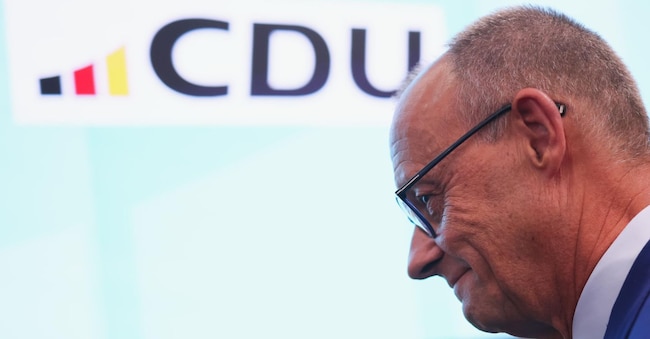
The day after the election in which the CDU suffered defeat in Berlin and was excluded from the Mecklenburg-Western Pomerania state parliament, Friedrich Merz reiterated the stance he had set out in the immediate aftermath on Sunday evening. At a press conference in the early afternoon, he confirmed his intention to remain in his post and to press ahead with the reforms. However, he must now contend with his coalition partners, the SPD, who themselves emerged battered from the election and are looking to bounce back.
SPD: Things must change
This morning, the Deputy Chancellor and Finance Minister, Lars Klingbeil, warned: “The SPD remains committed to its responsibilities in this federal government, but we must do things differently and discuss reforms.” Following Alternative für Deutschland’s triumph in Saxony-Anhalt, the SPD had already reopened its most unpopular policy areas, from labour to pensions. Klingbeil himself had said that one cannot “run headlong into a brick wall”.
The outgoing SPD governor of Mecklenburg, Manuela Schwesig – buoyed by her certain re-election – also made her voice heard. “A chancellor who secured less than 5 per cent in my state should engage in some self-criticism and ask herself what she got wrong. If she wants to regain trust – and I don’t know if that’s possible – she must face up to reality.” Angela Merkel’s former minister, despite being overtaken by the AfD, kept her party above 35 per cent and is preparing to form a government with the Greens and the Left Party, relegating the far right to the opposition once again.
Internal clashes within the ruling coalition are one of the factors eroding support for the Chancellor, the Government and the two parties that back him. Both Merz and Klingbeil face accusations of steamrolling the other partner’s positions. The dismal election results can only serve to harden the stance of these two partners, who are united primarily out of necessity.
‘I’m staying to safeguard democracy’
“The Government will remain in office to safeguard Germany’s democratic future,” said Merz at a press conference, delivering his speech with great solemnity. The target here is the enemy on the right, the AfD, which is chipping away at support across the board but is primarily targeting the conservatives. Criticising the movement’s anti-EU and pro-Russian agenda, the Chancellor emphasised that Germany and the CDU “must remain firmly anchored” to Europe and the West. “We have left nationalism behind us. It will be the task of the current government, but above all of my party, to ensure that things remain that way.”


