
Meta wins landmark case: Instagram and WhatsApp acquisitions legitimate
It was one of the most important antitrust actions in recent years: Zuckerberg's company was accused of monopolising social

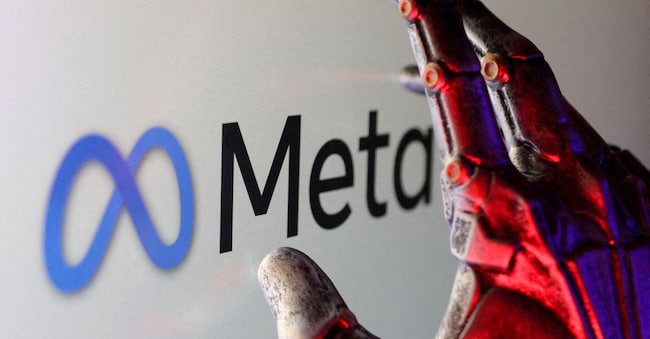
Meta wins one of the most important antitrust cases in recent years. A federal judge in the United States has in fact ruled that the acquisitions of Instagram (which took place in 2012) and WhatsApp (in 2014) did not violate US antitrust law, rejecting one of the symbolic actions initiated by the Federal Trade Commission in 2020 (during the first Trump administration).
A huge victory for Mark Zuckerberg's giant, which has made Instagram and WhatsApp its spearheads, even more central than Facebook, looking at today's trends.
The ruling, signed by Judge James Boasberg of the District Court of Washington, is clear: the FTC failed to prove that the two transactions allowed Meta to monopolise the social networking market. The real weakness of the indictment, according to the judge, is the inability to define precisely what the 'social market' is today, a rapidly changing ecosystem in which functionality and user behaviour overlap.
"With apps that are born and die chasing fads and constantly updating their functions, the FTC has understandably struggled to set market boundaries," Boasberg writes. "Even assuming that Meta enjoyed monopoly power in the past, the agency must show that it still holds it today. The ruling establishes that it does not."
It has to be said that the structure of the prosecution was quite clear: Facebook (which then became Meta over the years) allegedly acquired Instagram and WhatsApp to avoid direct competition and consolidate its dominant position in social networking 'between friends and family'. But this market, the defence argued, no longer exists as it did ten years ago.


