MEV: a museum as an antidote to prejudice
Closed for restoration, the MEV – Jewish Museum of Venice – reopens after six years, offering visitors an immersive experience of the history of the Jewish people in Venice

In the early 16th century, the Venetian Republic found itself having to deal with the social tensions that had arisen as a result of the steady increase in the Jewish population. On 29 March 1516, the Senate of the Republic decreed the forced confinement of Jews to a specific area of the city, one that was isolated and easily controlled. Thus was born the Venice Ghetto, the world’s first ghetto.
From that date until today, the history of the Jewish people and that of Venice have become intertwined and merged, enriching one another, and the Ghetto, once a place of segregation, has become a space of identity and a point of reference for the whole world. It is a story of resilience, coexistence and dialogue – one that is important to tell in complicated times such as these, as it could serve as an antidote to prejudice and as a beacon of hope for dialogue.
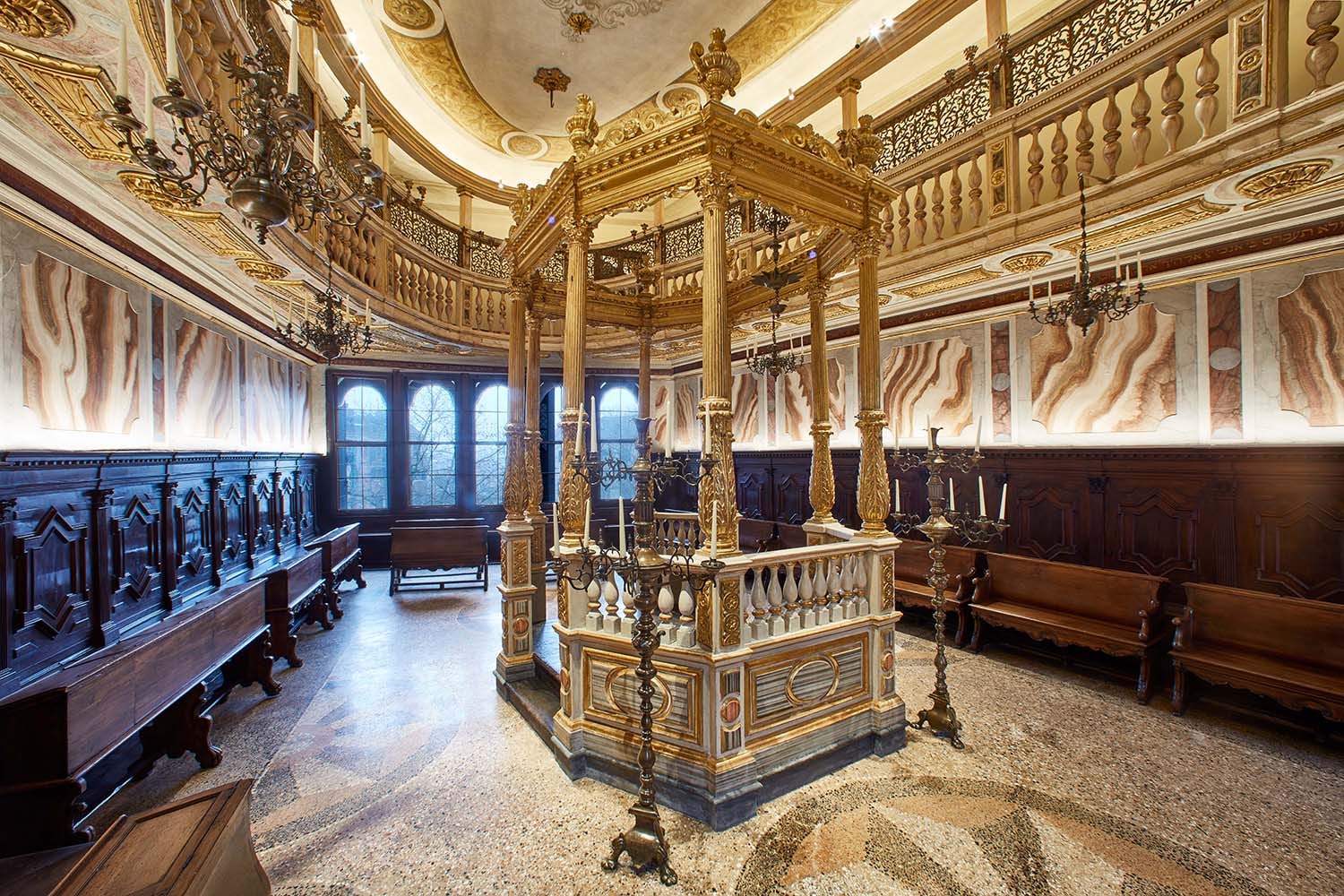
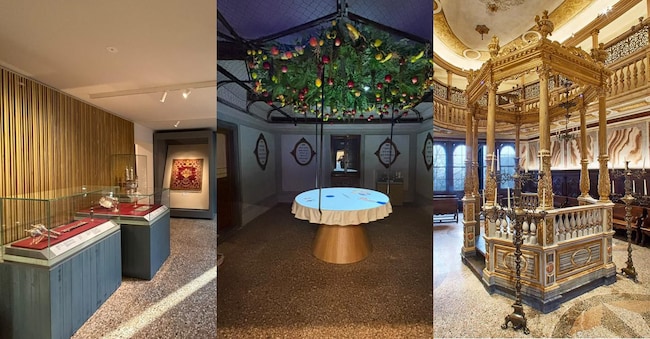
This is the story told by the Jewish Museum of Venice, which has reopened to the public after six years of restoration, refurbishment and reorganisation. This has been an exceptional regeneration project for this vibrant museum, which has become a central feature of life in the Venice Ghetto and offers visitors the chance to learn about Judaism and the area where Jews lived for almost 500 years: a collective and family history.
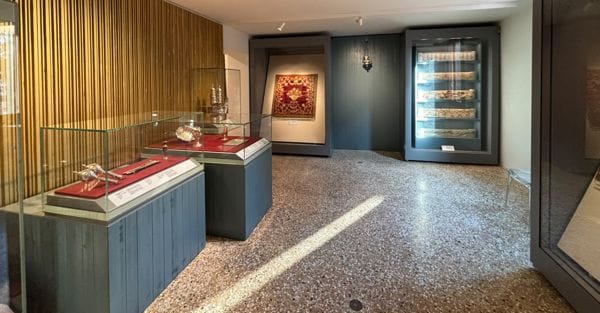
The new MEV covers an area of 1,700 square metres (two flats have also been acquired to complete the circular visitor route). What was originally a labyrinth of spaces has become a cohesive itinerary that recounts “a dialogue between identity and place, between who we are and the space we inhabit, which lies at the heart of our concept of a museum and the Jewish conception of life”, explains the museum’s curator, Marcella Ansaldi.