
Mezzo-soprano Vasilisa Berzhanskaya "is Norma!"
Vincenzo Bellini's opera, conducted by Renato Palumbo and directed by Nicola Berloffa, is in Parma, Teatro Regio, until 22 February

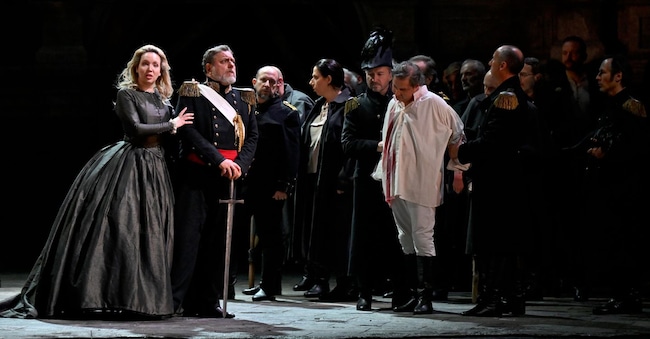
Only those who know her, only those who have heard her sing at least once, pronounce her name with ease: because she, Vasilisa Berzhanskaya, a mezzo-soprano voice to be written in gold letters, possesses the gift on stage of bewitching, of becoming immediately recognisable and familiar. Technique, timbre, temperament - the three fundamental 't's' for a singer - come together in her, a 30-year-old from the Russian school, in a superlative blend at the highest level. The singing is easy and immaculate, the woodwinds crazy, the texture of the colouraturas the richest and most refined imaginable.
Bellini and Rossini
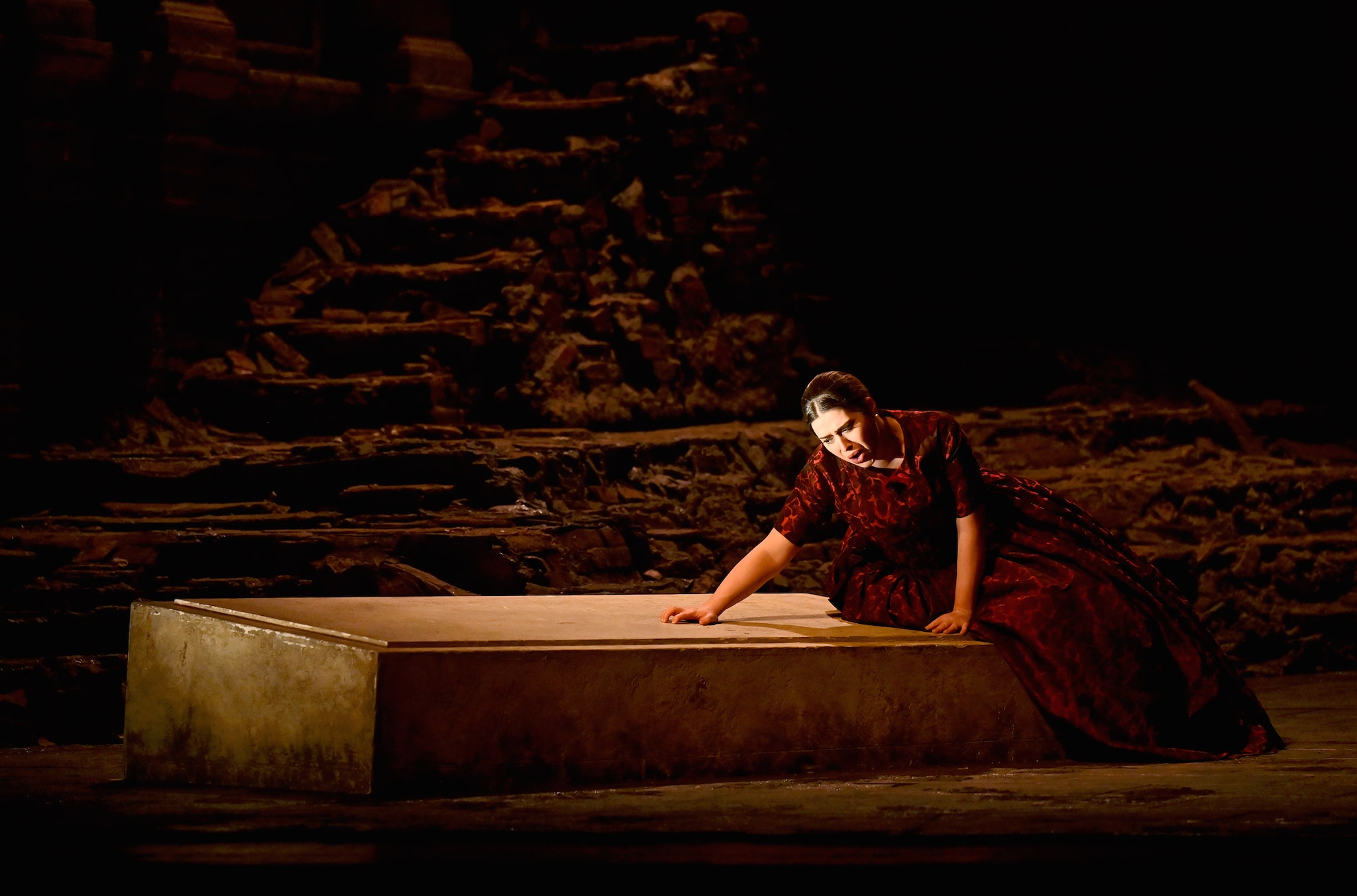
Bellini, and not just Rossini, her composers of the soul. When she tackled the part of Adalgisa at La Scala a couple of years ago, on leaving the theatre people said: 'But she is Norma!' And indeed here she is, at the Regio di Parma, embodying the title role in Bellini's masterpiece. Vasilisa spins the plot with aristocracy, says every word perfectly. She casts herself with absolute confidence in the soft tempi that conductor Renato Palumbo asks of her, leaving room for all the contradictions of the prima donna: priestess and mother, jealous fury at first and then friend in sisterhood. Her portrait, dated 1831, looks straight at the feminine of yesterday and today.
Even the very elegant ladies at the 'premiere' come out upset, because this 'Norma' forces you to listen slowly. It does not resolve in haste, it does not exalt you with boisterous volumes. Instead, it dares full and collected tones, internal phrasing thrown out with care; the "da capo" of the cabalettas varied and enriched with notes, but not vented, rather more tense and dramatic. This is the interpretative approach that the podium calls for, risking against the trend with smeared tempos, but which, thanks to a firm arm, never give way; and they do so much good both to the instrumental fabric, here with the Orchestra Filarmonica Italiana in fine form, and to the Chorus of the Teatro Regio, prepared as always with great taste and character by Martino Faggiani. It all culminates in the 'Guerra, guerra!' that we all await - the greatest negation of war, the most undiscovered pacifist anthem invented in the Risorgimento - but how well prepared is this final moment of rhythmic revelry thanks to the noble tones that preceded it. 'Casta diva', for example: restored to its original design, of luminous moon song, it returns an intimate and magical moment, reverberated in soft choral shadows.
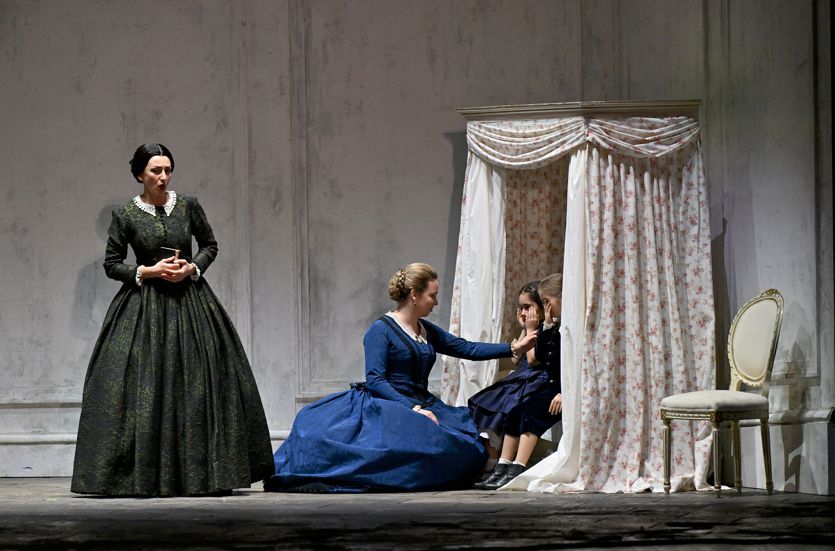
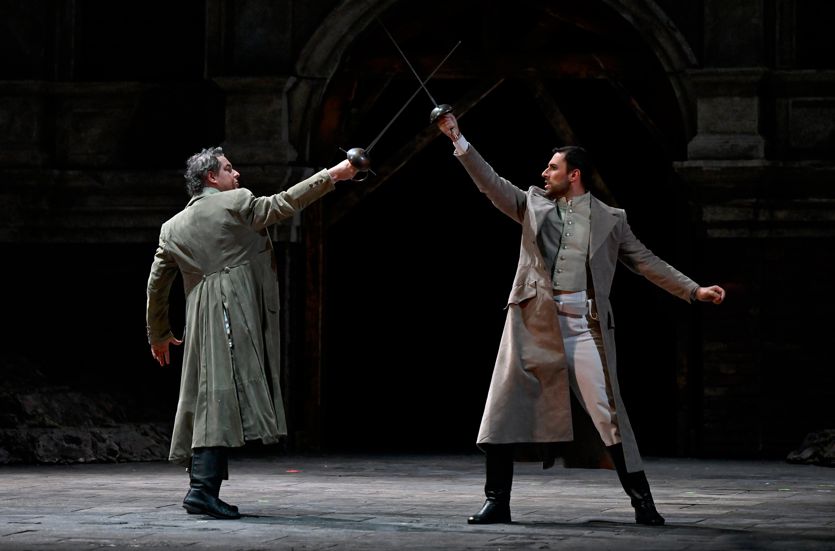
The performance takes up the direction of Nicola Berloffa, effective in the scenes of 19th-century facades by Andrea Belli, clothes and lights with references to Hayez's painting by Valeria Donata Bettella and Simone Bovis. An elegant and light military uniform dresses Dmitry Korchak's Pollione, a tenor with class but a little shouty in attack, perhaps fearful of the Parmesan gallery. In perfect symbiosis we find him in the entanglements with the two women, and there we see the musician, capable of adapting to the very different personalities of Berzhanskaya, heroic, and Maria Laura Iacobellis, a teenage rival with beautiful embroidery. Prudent, consistent in the role, the ancillary Clotilde of Alessandra Della Croce, while truly authoritative, always in bel canto style, Carlo Lepore stands out as Oroveso. The crown above all, however, in this experimental and daring opera of pas a due, goes to the duet of the two women, Norma and Adalgisa: this is what Bellini liked, the new female sentiment. And here the singing says the new strength sought and doubled, very romantic, very much from the interiors of salons of reading and culture, cultivated while the men were in battle at the front.
The only mistake, precisely because of this highlighted cut of solidarity, is to have Norma stoned to death by her fellow priestesses, huddled around her in a circle. While Pollione, deprived of the stake where he should by booklet with her immolate himself, is killed by the sword by Oroveso. No, the avenging father of the dishonoured daughter is not foreseen here. And above all, the banal serial traitor is deprived by the director of the only gesture of final redemption.

