
Dear Ferragosto: an extra billion euros at the petrol pump

2' min read
2' min read
The 2026 mid-August holiday period is worth 18.5 billion euros, but one billion of that will be needed just to cover the rise in fuel prices. In August, 17 million Italians will be travelling: 10.6 million adults and 6.4 million teenagers and children. This is according to the Confcooperative Research Centre in its report on consumer spending forecasts.
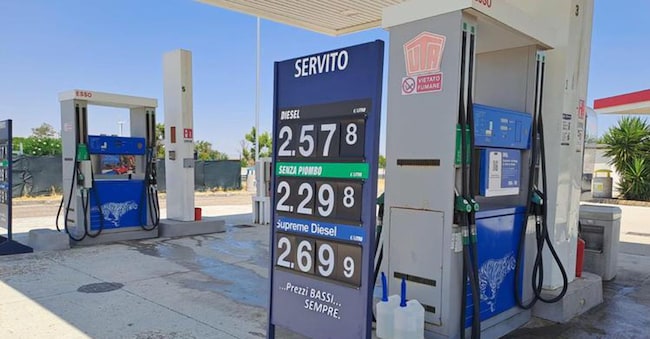
The car remains the preferred mode of transport for six out of ten people; they are bearing the brunt of high fuel prices, which have led to increases in petrol and diesel prices since the outbreak of the conflict in the Middle East.
However, the stability in consumption figures masks the fact that 8.9 million Italians will, in fact, be staying at home. For more than one in two of these people, the decision not to travel is due to financial difficulties.
A week costs 2,750 euros
The average cost for a family for a week in August amounts to 2,750 euros, 15 per cent more than in 2025. For a family of four, during the week of Ferragosto, the total bill can rise to as much as 6,820 euros, 5 per cent more than last year.
Catering and accommodation account for around 10 billion euros, more than half of the expected expenditure. Tourism therefore continues to drive significant spending, but places an increasing financial burden on families.
Among those staying in Italia, the seaside remains the clear favourite, accounting for 62 per cent of preferences; the mountains have risen to 28 per cent, up 6 per cent on 2025, driven by the search for cooler temperatures; cities of art and farm stays share the remaining 10 per cent.
Filling up costs up to 22 euros more
The rise in fuel prices is a burden because the car remains – by a wide margin – the most commonly used means of transport for travelling during the holidays. Compared with 2025, a full tank of diesel will cost 22 euros more; for petrol, the increase will be 15 euros.
Multiplied by millions of journeys, the price rise brings the total additional cost to one billion euros. This sum not only reduces the money available for restaurants, hotels and tourist activities, but also makes it harder for families with lower spending power to go on holiday.
Almost nine million are staying at home
The clearest indication comes from those who have to forgo their holidays. The 8.9 million Italians who will not be travelling reveal a country divided between those who are able to – and choose to – absorb the price rises, and those who decide to forgo their summer holiday.
“Tourism reaffirms its central role in the Italian economy, but the figures also paint a picture of a polarised country,” says Maurizio Gardini, president of Confcooperative, “because alongside a section of the population that retains its spending power, there is a group of Italians who are excluded even from holidays.”

