Milan brings its industrious spirit to Osaka with Leonardo's drawings

5' min read
5' min read
There is perhaps no stronger, more instinctive and justified link between the word 'genius' and the name Leonardo da Vinci. Italian pride, a universal spirit, a mind that surpasses epochs and crosses geographies: all this was the thinker and artist (1452-1519) who, with the totality of his work and some immortal masterpieces, bore witness to the intellectual and artistic possibilities of mankind, in all its marvellous complexity, in a tireless competition with the study and understanding of nature, its mechanisms, its properties: a summit of world culture. That is why every time Leonardo's name recurs, one must, at the very least, raise one's antennae. And if we add the city of Milan to Leonardo, we cannot but converge on a decisive point: the Codex Atlanticus.
"Leonardo lived in Milan for 19 years, it is a city that he shaped with his interventions, with his projects, some realised and some not. This is where he completed some of his most famous works and where the Codex Atlanticus is kept," began Monsignor Alberto Rocca, Director of the Pinacoteca Ambrosiana, who, in a chat with Il Sole 24 Ore reveals, in an exclusive preview, the strength and reasons behind a project that links Milan, Leonardo and Osaka, Japan, the setting for the next international Expo, which is now just around the corner.
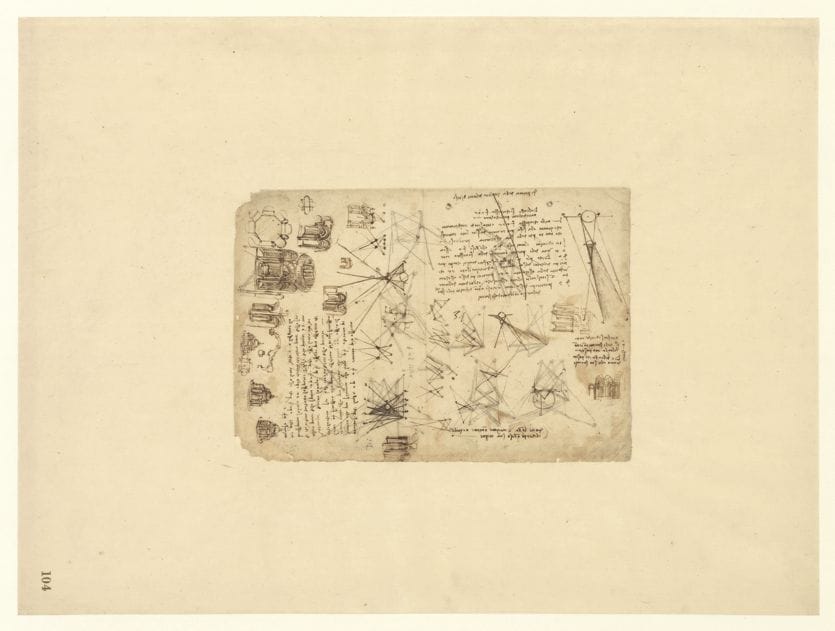
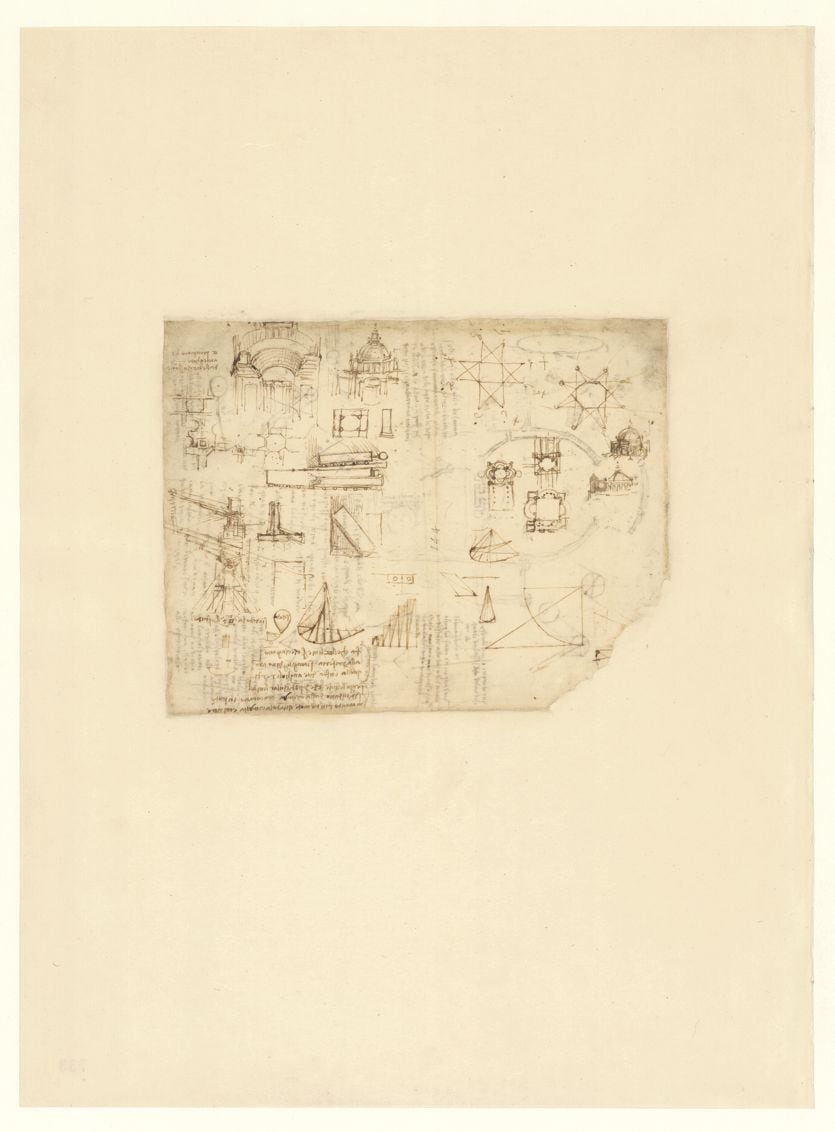
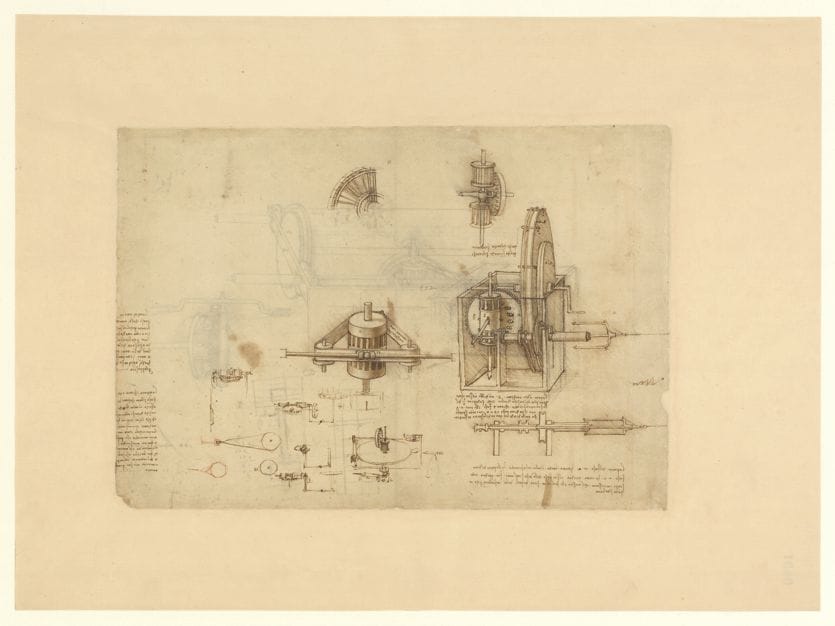
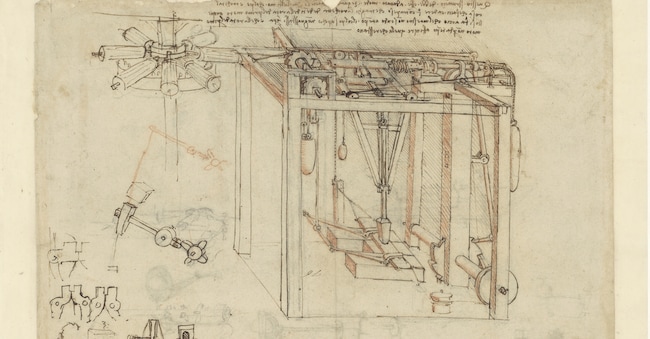
"The Codex Atlanticus is the world's largest collection of Leonardo da Vinci's drawings and autograph writings and has been preserved in the Biblioteca Ambrosiana in Milan since 1637," explains Rocca. Consisting of 1119 sheets spanning Leonardo's intellectual life over a period of more than forty years - from 1478 to 1519 - it covers a wide range of topics: from sketches and preparatory drawings for paintings to mathematical research, fables and gastronomic recipes to curious and futuristic designs for contraptions such as hydraulic pumps, parachutes and war machines.
That's it: for Expo 2025 Osaka will host, at the Italian Pavilion, four drawings from Leonardo Da Vinci's Atlantic Codex, which will be displayed, in rotation, for the duration of the event. A further extraordinary opportunity to export the wonders and cultural significance of Leonardo and his undeniable Italian-ness to the world. The exhibition of the precious pages of the Codex Atlanticus is made possible thanks to the collaboration with the City of Milan, which has realised the 'Milan and Leonardo' project. It will be, and he does not conceal a hint of legitimate pride Monsignor Rocca, "like building a concrete bridge between cultures", and he can well say so, since he himself is a profound admirer of Japan and knows well, in its recesses, the cultural peculiarities of the Land of the Rising Sun where he has spent long periods of study. "The Japanese will enthusiastically welcome these papers," Rocca is certain: he will personally accompany them and "explain" them to the Expo audience with certainly one and probably two knowledgeable lectures. "It is a healthily curious public, with a great attention to culture and a great interest in Italy. The proof, after all, has already been there. This is not the first time the Ambrosiana has flown its treasures all the way to Japan: previous exhibitions (including one in 2013) attracted hundreds of thousands of visitors in just a few months.
After all, what seems 'common' to us is an amazing 'unicum' to the Japanese.