Industry

Milan’s property funds wound up: the City Council reclaims 170 flats

The project provides for the assets to be used for the Housing Plan

ANSA/MATTEO CORNER ANSA

2' min read

Translated by AI
Versione italiana

2' min read

Translated by AI
Versione italiana

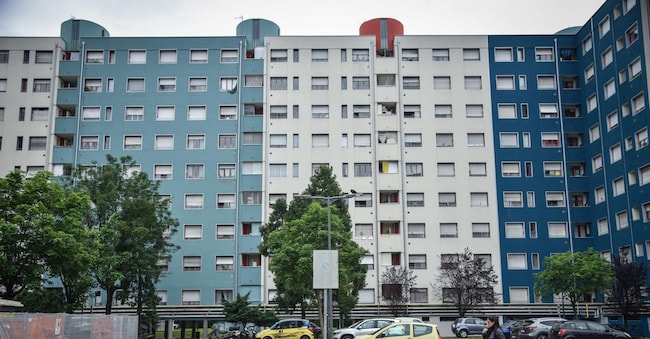
The City Council has approved the liquidation of the ‘Comune di Milano I’ and ‘Comune di Milano II’ property funds, which were established by the then Moratti administration. Palazzo Marino is thus disposing of the shares it still holds in exchange for assets worth 41.6 million euros. These properties comprise 431 units; this figure includes garages, cellars, storage rooms and, above all, 170 flats.

New housing under the Extraordinary Housing Plan

Loading...

The breakdown has yet to be finalised, but the largest share is expected to go towards the Extraordinary Housing Plan proposed by the Councillor for the Budget, Emmanuel Conte: “We are returning the remaining assets to the full control of the local authority, as I believe they can generate greater value through public management,” he said.

The aim is to include at least one hundred homes in the Plan, with rents not exceeding 30 per cent of tenants’ salaries. The remaining homes will be allocated to social housing.

The end of an operation that began in 2007

The two funds were established between 2007 and 2010, during the administration led by Letizia Moratti. The City Council had transferred 141 assets, including high-value properties, residential properties, commercial premises and land, with an initial value of around 355 million euros. In return, it received 202.7 million in cash and 151.7 million in fund units.

Over the years, the funds – managed by BNP Paribas Real Estate Investment Management Italy – have sold properties worth 377 million. These include the building at Porta Romana 8, sold for 37 million, and the one on Via Bagutta, sold for 26 million.

Palazzo Marino is now returning the remaining shares and bringing the remaining assets back under its control without any exchange of money: with the cancellation of the shares, the properties revert directly to the municipal assets.

“With this transaction, we are bringing a definitive end to a period that began almost twenty years ago,” says Conte. “Real estate funds are a relic of an era in which public assets were managed primarily through financial instruments designed for divestment. Today, that era comes to an end.”

Agricultural land and community centres in neighbourhoods

Loading...

The assets also include 64 rural properties spread over approximately 40 hectares. The local council intends to use them for an agricultural and agri-food project, to be developed in partnership with Sogemi and with the involvement of businesses, cooperatives and the third sector, with a view to local food production.

Two buildings in Milan that have long been part of neighbourhood life will also be restored: the former Crescenzago town hall in Piazza Costantino, and the building on Via Franco Faccio in Affori; they are home to organisations such as ANPI, Legambiente and the Corpo Musicale, and will continue to fulfil their social role: ‘For almost twenty years, these properties have been part of a financial scheme. From today, they will once again form part of a city-wide project.’

Copyright reserved ©
Loading...

Brand connect

Loading...

Newsletter

Notizie e approfondimenti sugli avvenimenti politici, economici e finanziari.

Iscriviti