
Milan Cortina 2026, already collected almost 90% of sponsorships

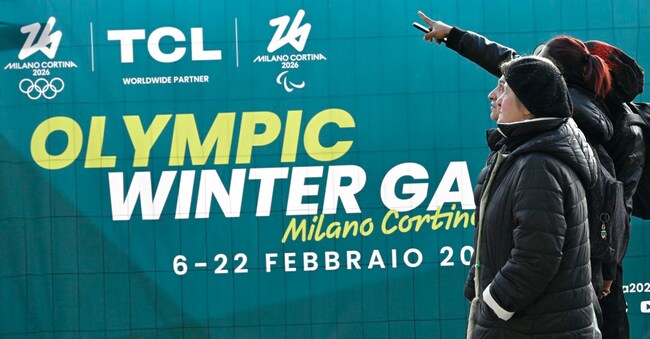
While today there will be the first downhill runs of the athletes to test the Sliding Centre built by Simico in Cortina d'Ampezzo, in view of the homologation at the end of the month, the work to promote the 2026 Winter Games is proceeding apace. In particular, Fondazione Milano Cortina is finishing the collection of national sponsorships well in advance and has already secured contracts worth almost 90% of the estimated budget for this revenue chapter (450 million out of the approximately 500 million to be collected). Yesterday, for example, an agreement was announced with the Fnm Group, which will be the 'Regional Transport Sponsor' of the Olympic and Paralympic Games and will provide the necessary transport services within the territories that will host the competitions. Soon, after the one with Stellantis, partnerships will be presented with TechnoAlpin, a company that designs and builds snow-making systems for ski areas around the world, and with the Leonardo Group. And other contracts are being negotiated. The second pillar of revenue for the Olympic budget is the ticket, hospitality and merchandising item, which is expected to bring in around 500 million. At the end of February, 613 thousand tickets had been sold out of a total of 1.2 million. Therefore more than 50% of the ticketing revenue target has been achieved, pending the start of sales to the general public on 8 April. As Andrea Varnier, CEO of the Milan Cortina 2026 Foundation, pointed out during the IOC Assembly in Greece on 20 March, in addition to Italy, the largest purchases were registered from Germany, the United States, the United Kingdom, Switzerland, the Netherlands and France. The average number of tickets purchased per user was 6.5, with ice hockey, biathlon, cross-country skiing and figure skating among the most popular sports. Varnier therefore said he was confident of hitting the revenue targets, so as to 'continue with the great optimisation work begun two years ago and work closely with stakeholders and the Italian government to aim for a balanced budget'. The principle of sustainability that governs the new Olympics - and which the Milan-Cortina Foundation adheres to - in fact requires costs and expenses to be calibrated on the revenue realised so as not to jeopardise the legacy of the Games with holes in the budget. The third pillar of revenue, in fact, is the one guaranteed by the IOC, which will retrocede to the Foundation a share of around 570 to 580 million in centralised revenue, i.e. that deriving from television contracts and sponsorships of international standing.
© RESTRICTED REPRODUCTION


