Consumption

Milan, big events are growing. For Design Week +24% expenditure

A survey by YesMilano Hub based on Mastercard data confirms the increase in tourist flows during the 2025 edition and the positive impact of trade fairs and congresses on the city
by Giovanna Mancini

3' min read

3' min read

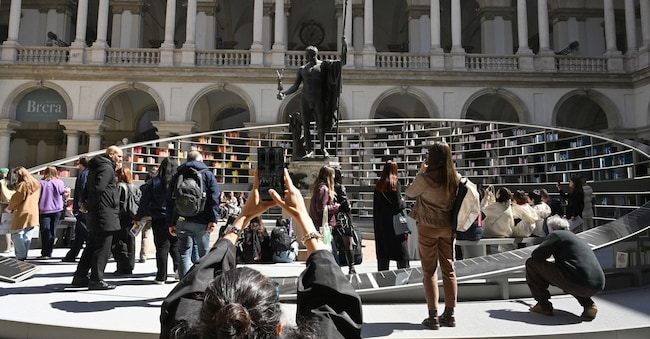
Those who found themselves in Milan during the days of Design Week (the hat under which the Salone del Mobile and Fuorisalone are subsumed) and looked for a hotel room or queued up to visit one of the more than a thousand design-related events hosted in the city certainly realised that, this year, the flow of people arriving for the occasion (between 7 and 13 April) had increased compared to previous editions, with a particular concentration in the Brera district, which in fact recorded double-digit growth in admissions.

The growth of consumption in the city

.

Further evidence of this increase comes from the figures provided by Mastercard and processed by YesMilano Data Hub, the project in collaboration with Mastercard and the Chamber of Commerce of Milan, Monza Brianza Lodi, which aims to direct local policies on the subject of hospitality and tourist promotion according to a data-driven logic, as Fiorenza Lipparini, general manager of Milano&Partner, explains to Il Sole 24 Ore. "The data collected by Mastercard focus on consumption, but confirm those on attendance disseminated by the organisers of the events, primarily the Salone del Mobile, which returned a positive image of the last edition of the fair and of Design Week as a whole".

Loading...

In detail, the research (which analyses trends in consumption, shopping and domestic and international tourist flows of Mastercard business and consumer cardholders) recorded a 24% increase in overall spending compared to 2024, driven by foreign visitors (68% of the total) and destined mainly for shopping and dining.

Countries of origin and sectors of expenditure

.

Analysing the origins, arrivals from Switzerland, Germany and the United States prevail, but, Lipparini points out, "the greatest growth in spending, compared to Design Week 2024, concerned tourists from Turkey, up 74%, and Great Britain, up 48%". This last figure is very interesting because it reflects a recovery in UK tourism after the slowdown following Brexit.

Another interesting element that emerges from the research, however, is the "growing geographical diversification, with an increasingly international Furniture Fair," notes Lipparini. "But also a diversification of brands, with an increase in the number and focus on lesser-known brands, which represent new potential and are our future.

Returning to consumption, among the shopping expenditure categories, clothing prevails, both among international tourists (39%) and Italians (18%). Jewellery also has a significant weight among international tourists (7% of the total), with a very high average receipt of 1,473 euro.

However, it is the catering sector that weighs most heavily in the tourism sector, with 18% of total expenditure and a growth of 44% compared to 2024. The growth in consumption in bars is also significant (+63% for foreigners and +66% for Italians) with an average ticket on the rise.

While these numbers undoubtedly give us an image of a successful model and of Milan's ability to truly create a system around one of its excellences, design, by integrating a strictly business fair event with many events of a more cultural or leisure nature, it is equally true that this model risks imploding if not governed effectively.

Fairs to congresses, an asset to be exploited

"We will only know the official numbers at the end of the month, from the questura, but the first results are indeed of an increase in tourist flows, very much concentrated in Brera and the more central districts, while in the other districts very select groups of visitors poured in," notes Lipparini, who adds: "However, there were no major inconveniences as far as mobility is concerned and for us this is a victory. The city is holding up'.

Instead, Lipparini emphasises the great added value that emerges from the relationship between Salone del Mobile and Fuorisalone. "There has been a very important effort on the part of the Milan City Council in recent years to focus a calendar in the city on cultural and not commercial or B2B purposes, and the spending trends in our data also show this. In addition, we see a public that returns and diversifies its spending'.

The importance of these figures goes beyond Design Week: the work of Milano & Partners is in fact oriented towards enhancing Milan's attractiveness at an international level also by leveraging major events, especially trade fairs and congresses, of which Design Week is somewhat the tip of the Iceberg. 'We have two exhibition infrastructures, in the city centre and in Rho, both modern and capacious, a unicum in Europe,' Lipparini continues, 'enhancing them is strategic.

Also because these events attract qualified and high-spending tourism. Niches that offer enormous potential, not least because, unlike leisure tourism, they attract visitors destined to return and thus invest in Milan, perhaps to open branches or bring research and innovation functions to the area.

Copyright reserved ©
Loading...

Brand connect

Loading...

Newsletter

Notizie e approfondimenti sugli avvenimenti politici, economici e finanziari.

Iscriviti