
The Municipality of Milan demands the demolition of the Via Fauché construction sites
This is the first decision in this direction, which comes after the ruling of the Council of State
by Sara Monaci
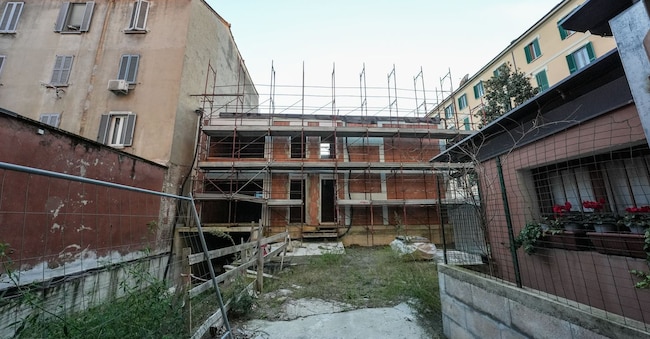
It is the first case and it remains to be seen whether it will remain isolated or whether there will be other similar decisions. In any case, it represents a significant step within the judicial affair on Milanese town planning. Yesterday, the Milan City Council ordered the demolition of the building sites in Via Fauchè for the construction of a 200-apartment skyscraper in a courtyard, as well as one of the projects that had been seized on charges of building abuse.
This, Palazzo Marino explains, is a due act following last November's Council of State ruling, which established that the characteristics of the building intervention went beyond "reconstructive renovation". In the same ruling, the Council of State also specified that in order to define an activity as simple renovation, for which a "super Scia" may be sufficient, it is necessary that demolition and reconstruction are contextual acts, in addition to compliance with the previous outline and volume. For the judges, the Via Fauché case evidently did not respect these prerequisites.
The building in the courtyard on Via Fauché may be destroyed because it is not yet finished and because there are no tenants or 'suspended families' yet, as in other buildings. So while it might set a precedent, it is difficult to imagine similar choices for projects that are now finished and with flats sold. Moreover, administrative justice can also be read in relation to the individual case. Finally, the via Fauché case seems to have more striking dissimilarities than other cases.
Even with all these considerations, which can only circumscribe the decision to the construction site under consideration, it seems clear that this choice represents a further step backwards for the City of Milan. Palazzo Marino, through a series of decisions, is in fact revising the choices of the past: it is modifying the Pgt by imposing the Implementation Plan as the main way of issuing authorisations; it has dismantled the old Landscape Commission, which authorised builders by means of an EIA; it is asking real estate companies to 'correct' their building permits, renouncing the EIAs already obtained and paying additional urbanisation charges.
From the moment of notification of the measure, the owner of the area has 90 days to proceed with the demolition and restoration of the state of the places. In case of non-compliance, from the 91st day an administrative sanction between 2,000 and 20,000 euro will be triggered, with the possibility for the Municipality to acquire the area free of charge to the public heritage.


