
Schools in Milan: the CGIL says 930 more teachers and 526 more classes are needed
According to the trade union’s research centre, the decree-law imposing a 30 per cent cap on foreign students does nothing to resolve the real problems

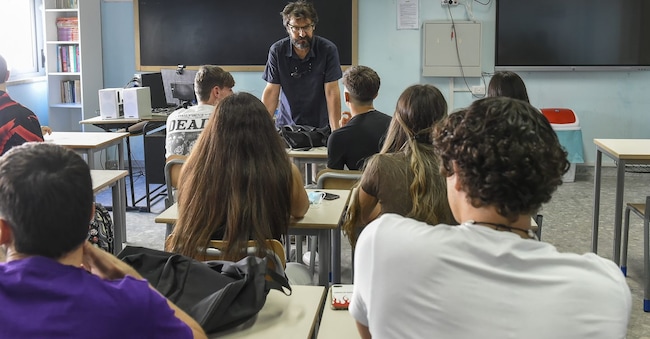
If we were to take the Lombardy average of 20 pupils per class as a benchmark, Milan would need at least 526 additional classes and 930 more teachers. This is according to the research centre of the CGIL trade union in Milan, which highlights the impracticability of the education decree setting a cap of 30 per cent on the number of foreign pupils (if they do not speak Italian).
“These are the resources needed to guarantee the right to education under normal conditions and to enable teachers to carry out their delicate and complex work in a suitable environment that recognises the value of their role,” the report emphasises.
The rule setting a 30 per cent cap on the number of foreign pupils per class is, in the view of CGIL Milan, more of a propaganda tool than an effective one. It has been introduced by emergency decree, but the classes for the 2026/2027 academic year have already been formed, and the new rules will only take effect from next year. All this is also part of a series of administrative measures that have been guiding local education authorities in the management and organisation of teaching for decades.
Statistics on schools in Milan
The figures for the metropolitan city show just how far this measure is from reality. There are 69,243 young people aged between 6 and 18 from non-Italian families, accounting for 22.8 per cent of the total in that age group (Istat figures as at 1 January 2026): a proportion below the threshold specified by the legislation.


