
Milan Wellness City 2030 to strengthen the legacy of the Games
The project and report produced by the Wellness Foundation aim to contribute to the Olympic legacy to make Milan the first Wellness City in the world

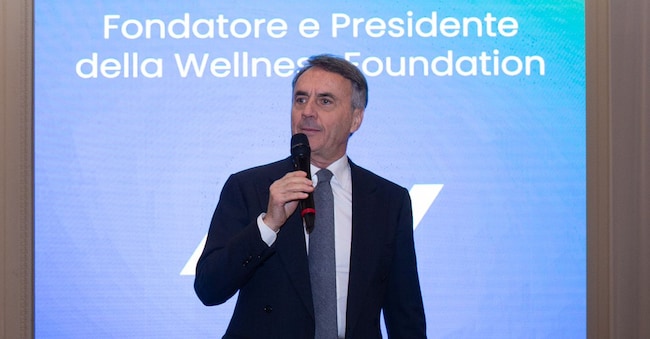
Milan first Wellness City in the world. Transforming health and wellness into levers for the city's development. These are the objectives of Milano Wellness City 2030, the project launched by the Wellness Foundation to make a tangible contribution to the Olympic legacy, the cultural legacy of the 2026 Winter Games in Milan Cortina, which will see Technogym as a partner for the tenth time.
After two years of work, the project is now concrete with the first 'Milano Wellness City' report, which presents an up-to-date snapshot of data on population, economy, health and lifestyles, mental wellbeing, territory and infrastructures, illustrating the main public policies that promote wellbeing with an integrated approach and, above all, collecting the actions carried out within the framework of Milano Wellness City and the first results achieved.
Life expectancy in Milan is 82.7 years for men and 86.7 for women, higher than the Lombardy (82.2 and 86.1) and national values (81.4 and 85.5). However, the gap between life expectancy and healthy life expectancy is not encouraging (in Lombardy: 21.9 years for men; 28.3 years for women)
The absolute figure is worrying, 687,037 chronic diseases. This number will grow with ageing, increasing the costs of the health system. Today, 70-80% of health expenditure is absorbed by the treatment of chronic non-communicable diseases (NCD's), while a derisory share goes to prevention.
Mental health is also an increasing burden on health and social systems. In Milan, the most vulnerable population groups include the elderly (1 in 3 live alone) and the young (only half report an adequate level of psychological well-being). Among young people in Milan, 3 out of 4 report psychosomatic symptoms. Half (50.4%) feel lonely and 42.8% struggle to make new friends.


