Stories

Mines: tourists return to the tunnels on the Valente mini-trains

The company has specialised in rail vehicles since 1919. Its products range from the Channel Tunnel to the TAV high-speed rail network and the quarries in Sardinia
by Davide Madeddu

3' min read

Translated by AI
Versione italiana

3' min read

Translated by AI
Versione italiana

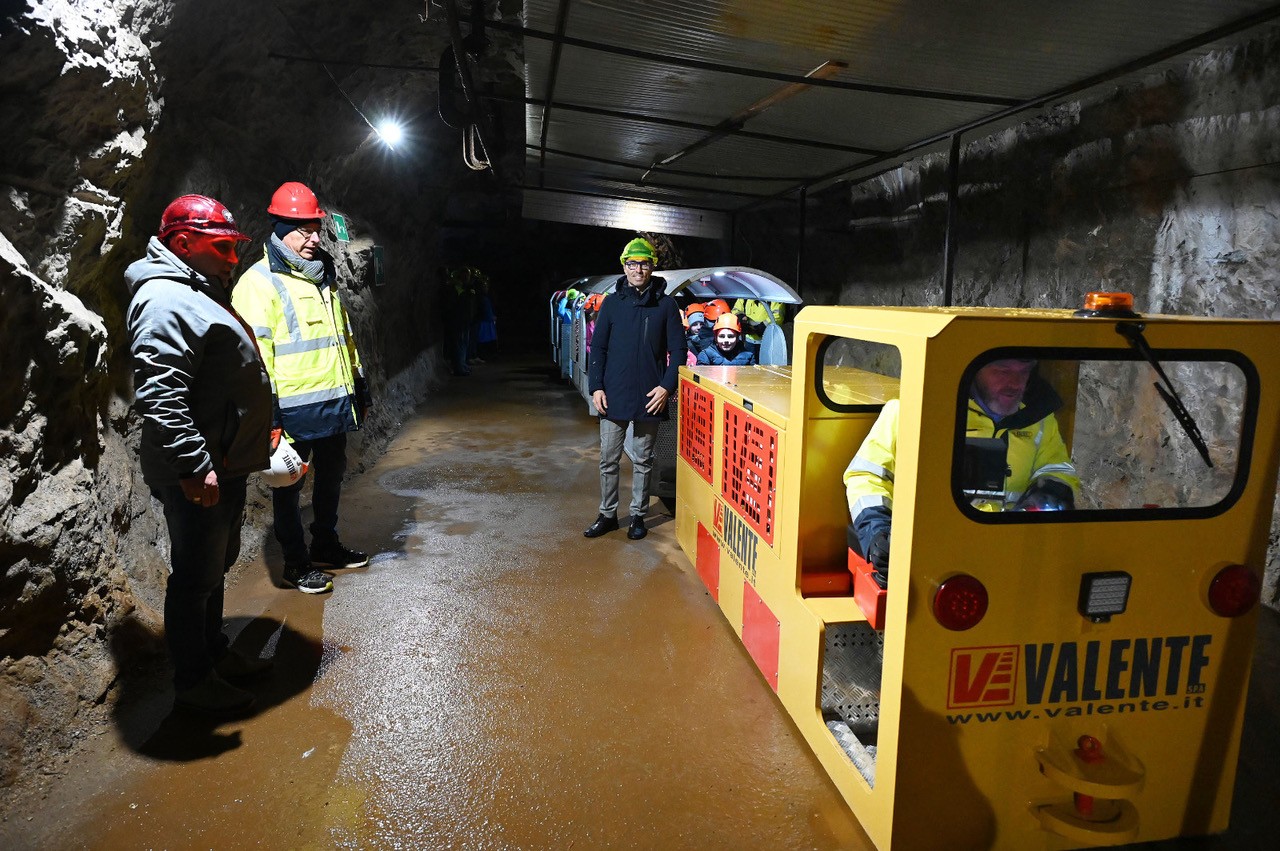
Tourists and minerals. We’re heading back into the mines with the little trains built in Italia, capable of transporting the raw materials extracted from the tunnels and shafts, and with tourists keen to discover the ‘mysteries’ of these now-dormant sites. All aboard the trains – locomotives and carriages – built by the Italian firm Valente, a company founded in 1919 in Gallarate by the Campania-born entrepreneur Vincenzo Valente, who transformed his workshop into a company specialising in the supply of railway tracks.

The company, now based in Lainate, is led by CEO Alberto Menoncello, who took it over in the late 1980s and charted a new course: no longer rail transport, but other possible uses for the tracks, ‘pursuing a path of hyper-specialisation’.
Loading...

Railways, from the Channel to the TAV

It is no coincidence that Valente’s products – starting with the rails – have ended up in the Channel Tunnel or on the high-speed rail line, where they power the ‘tunnel-boring machines’, moving concrete, materials and machinery.

And then there are the mines: those that have been dormant, now a destination for tourists and enthusiasts, and those that are preparing to resume operations. This is also because the company ‘since its foundation has developed in-depth expertise in mining, where it designs and manufactures machinery, systems and components for underground operations, whilst maintaining high standards of safety, durability and operational continuity’.

Railway carriages and locomotives

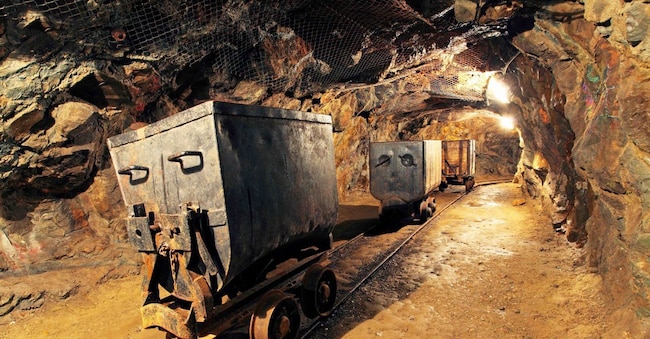
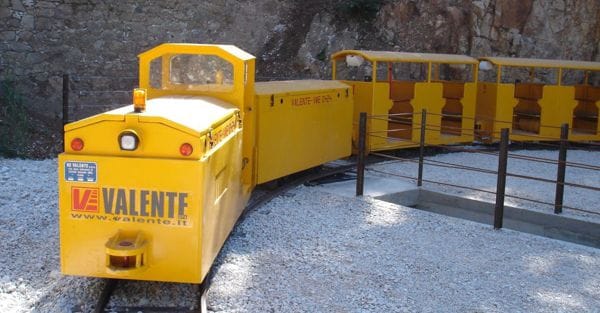
The vehicles manufactured include spoil wagons (designed to transport material and capable of unloading on both sides), staff wagons, trolleys and specialised vehicles designed for tunnel work and mining operations, as well as electric and diesel locomotives capable of operating in confined spaces and under challenging environmental conditions.
The CEO: state-of-the-art vehicles

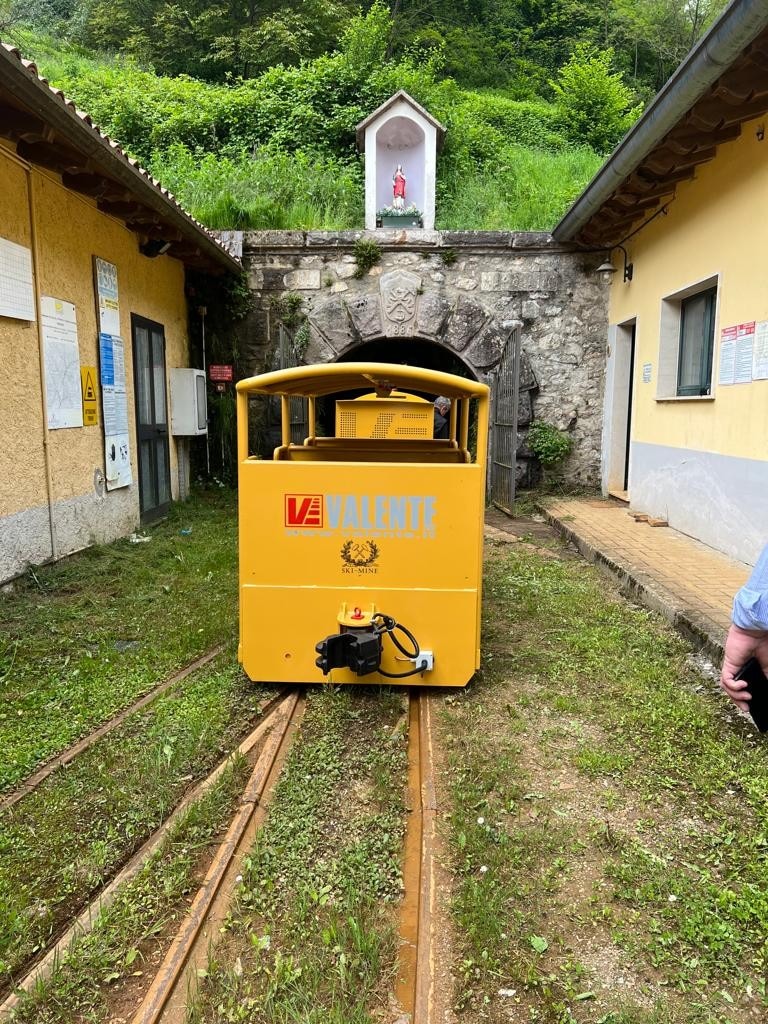
“These little trains are safe, state-of-the-art vehicles that enable us to showcase the mines and the cultural heritage associated with them, and to introduce this to new generations,” says Alberto Menoncello, chairman and CEO. “They have been designed with great attention to detail to offer visitors a unique experience and allow them to soak up the charm of the mining railways.”

From Silius to the Predil Quarries

The range of projects extends from the Buggerru mine, where a small train takes tourists on a journey through the mountain, ending at a clearing overlooking the sea. Or to Silius, where one of Europe’s largest fluorite mines is set to reopen. In this case, the company – which has been awarded a contract worth 1.1 million euros – will be responsible for supplying electric locomotives, locomotives for transporting workers, and rail-mounted waste rock wagons to carry excavated material – all the machinery and equipment required for the mine’s refurbishment and in preparation for its reopening.

And then there are other sites, such as the Cave del Predil, a hamlet of Tarvisio (Udine), where a new mini-train for guided tours of the mine was inaugurated in February 2026.

Tourists on the little trains in Val di Cornia

Not to mention the bespoke tourist train for the Marzoli mine, in the municipality of Pezzaze (Brescia), which was inaugurated last April and ‘offers the chance to travel for around 1 kilometre, into the heart of the mountain, through the mine’s tunnels, to discover the history of a site that closed in 1972 and which, since 1999, has welcomed thousands of visitors”.

Locomotives and carriages for transporting visitors to the Lanzi-Temperino tunnel, “one of the main attractions of the San Silvestro Archaeological and Mining Park in Val di Cornia (Livorno)”, and restoration work on mining trains in Val Trompia. “This is our contribution to safeguarding a heritage that must not be lost,” concludes the CEO, “the history of mining in Italia and of some of the deposits that were significant not only at a national level but also across Europe.”

Copyright reserved ©
Loading...

Brand connect

Loading...

Newsletter

Notizie e approfondimenti sugli avvenimenti politici, economici e finanziari.

Iscriviti