
Mini-packages, the tax starts in July (together with European tariffs)
Confetra: 'This is how we lose half of our traffic'

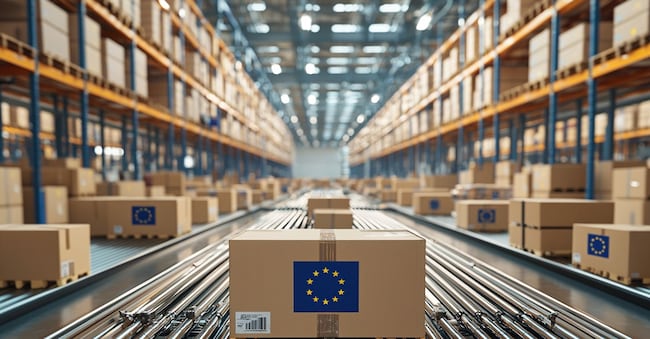
With the tax decree, which was converted into law on Wednesday, the government stalled the tax on mini-packages arriving from non-EU countries. Now, the two-euro fee is scheduled to come into force in July, just when the three-euro European tariffs will be introduced. The 'affected' shipments will be the same, i.e. those with a value of less than EUR 150.
From Confetra, the Italian General Confederation of Transport and Logistics, came - in no uncertain terms - the call for the executive to take a step back: 'The 2 euro tax would be an own goal, because it would lead to a 50% drop in traffic'. To explain why, two scenarios are posed between July and November 2026.
The first scenario: the Italian tax remains
The first is what we could call the current situation, i.e. if the situation were to remain as it is. Maintaining the two-euro tax on mini-packages from non-EU countries could be counterproductive for Confetra: 'When unilateral measures are introduced on global phenomena,' explained director Andrea Cappa at the Customs and Monopolies Agency's General Assembly, 'the real risk is that of shifting traffic elsewhere, without achieving the stated objectives.
If Italia becomes more expensive, is the confederation's thesis, the couriers will move their cargo flights to Germany, Belgium or Holland, and then bring the goods into the country by truck. In numbers, it would mean that Italia loses 50 per cent of its traffic (as already experienced in the first two months of 2026 before the postponement of the rule) and the state collects a total of EUR 70 million, of which only EUR 51 million for the Italian tax.
Second scenario: no tax
Scenario two. Firstly, it should be explained that the European tariffs provide that 75% of the revenue goes to the Community budget and that the other 25% is retained by the Member States as reimbursement for collection costs. In practice, each mini-package arriving from countries outside the EU will produce a 0.75 cent revenue instead of the two euro provided by the Italian tax. The other euro and 25 cents would therefore have to be compensated by other means.

