Molise in ten stages along sheep tracks with sea views
From the bells of Agnone to the handicrafts of Frosolone, from the Morge Park in Pietracupa to Sepino where there is little Pompeii
Key points
It was inhabited by the Samnites and the Romans, and walking along sheep-tracks, paths and alleys it is easy to trace the signs of the ancient civilisations that marked its past. Molise is a middle land of arcane beauty, with its mountains, hills and valleys, but also its many villages to discover. The region is cut by two rivers, the Trigno and the Biferno, which, as if drawn by a landscape architect, run parallel straight towards the sea, touching both provinces, Campobasso and Isernia. Amidst archaeological sites, excellent craftsmanship, musical traditions and villages overlooking the sea, here is a ten-stage itinerary to discover the essence of the region.
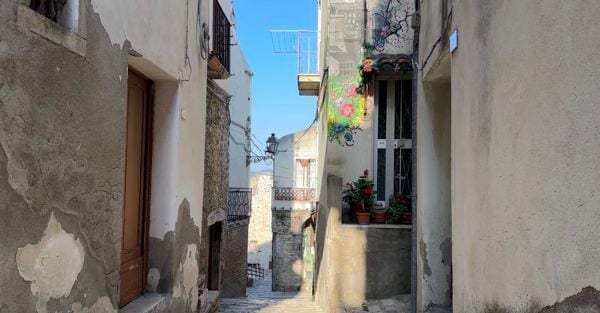
In Scapoli in the home of the bagpipe
A small village at the foot of the Mainarde Mountains, Scapoli is known throughout the world as the home of the reed-pipe, the shepherds' symbolic instrument. The International Bagpipe Museum houses a rich collection of instruments from different countries around the world and tells the history and evolution of an ancient art that still lives on today thanks to local master craftsmen. Every year, at the end of July, Scapoli comes alive with the famous International Bagpipe Festival, which attracts musicians and visitors from all over Europe. But Scapoli is not just music: here you can also savour the genuine taste of tradition with the raviolo scapolese, stuffed with meat and cheese, a dish that is a symbol of Molise's mountain cuisine.
From gastronomy to bells, the treasures of Agnone
Agnone is one of the most fascinating towns in Molise, famous for the Marinelli Bell Foundry, one of the oldest in the world, and for the Bell Museum, which recounts eight centuries of history and craftsmanship. The bells of Agnone resound in squares all over the world, from the Leaning Tower of Pisa to churches in South-East Asia, bearing witness to Molise's excellence. Alongside the art of bronze, Agnone also preserves an outstanding gastronomic heritage: its caciocavalli and dairy products are renowned for their quality and authentic flavour. Visiting Agnone means immersing oneself in a village where time seems to stand still, amid historic shops, ancient churches such as San Francesco and Sant'Emidio, and breathtaking views of Alto Molise. Not to be missed is the Ndocciata, one of the oldest and most evocative traditions of Molise. It is a spectacular parade of giant torches, a symbol of millenary faith and culture, that illuminates the main street of the town at Christmas time.
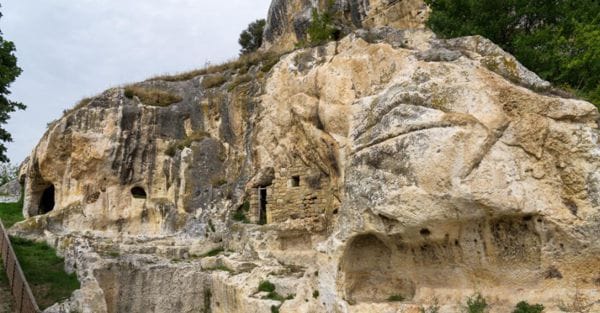
The neo-Gothic sanctuary of Castelpetroso and the cave of San Michele
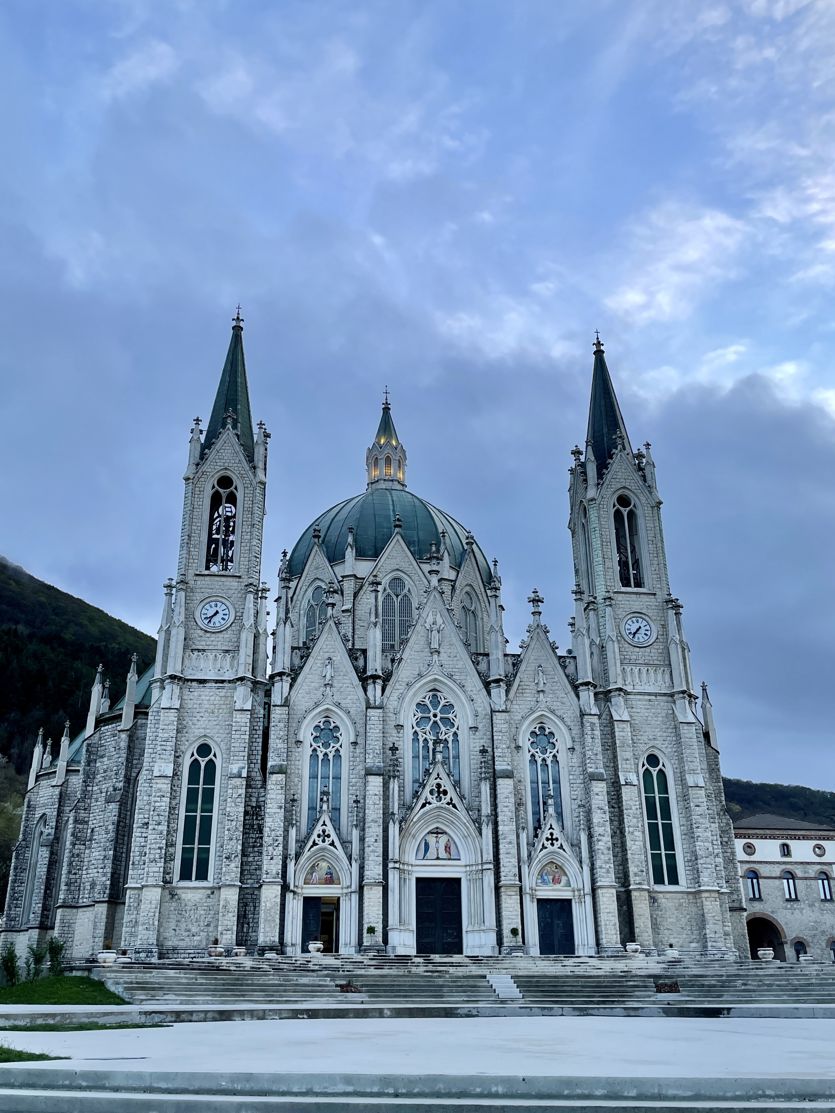
A few kilometres from Isernia rises Castelpetroso, a village that guards one of the architectural wonders of Molise: the Basilica Minore dell'Addolorata, an imposing neo-Gothic sanctuary set in the mountains, a pilgrimage destination and place of deep spirituality. The story of the first apparitions dates back to 1888. The basilica often hosts special religious events and Christmas celebrations, including concerts of sacred music. Also nearby is Sant'Angelo in Grotte, a hamlet of Santa Maria del Molise with the impressive Grotto of St Michael Archangel, where frescoes from the school of Giotto can be found. A short distance away, nature lovers should visit the Cascate di Carpinone waterfalls, an unspoilt oasis where water and rock merge in a landscape of extraordinary beauty.
Frosolone, in the realm of scissors and knives
At an altitude of around 900 metres, Frosolone offers breathtaking scenery with centuries-old trees, crystal-clear ponds and white rocks rising majestically. But it is not only the scenic beauty that makes Frosolone a unique place: its renowned production of high-quality cheeses and dairy products, combined with the culinary tradition of white and black truffles, delights the most demanding palates. Strolling through the alleys of the historical centre, which still preserve the intricate medieval urban layout, one can see the architecture of the Baronial Palace, with its Renaissance loggia and the beautiful Baroque church of Santa Maria delle Grazie. Since the earliest times, Frosolone has also been famous for its artisanal and artistic steel working with the production of scissors and knives, a tradition preserved and valorised in the Museum of Cutting Irons, as well as in the small family workshops where the traditional practice of forging has been handed down for centuries.