
Luxury sector in reverse: Moncler shares fall on fears of a slowdown in the second quarter
Intermonte estimates quarterly revenue of €403.7 million, up 4.4 per cent, with direct-to-consumer sales of the Moncler brand remaining broadly stable. Sales were also recorded for other brands in the sector

Le ultime da Radiocor
Auto: in Cdm abolizione bollo per medie e piccole, anche per motocicli (RCO)
Ex Ilva: commissari chiederanno stop esecuzione decreto di chiusura area a caldo
***Eni: completata cessione a Socar quota 10% in progetto Baleine in Costa d'Avorio
(Il Sole 24 Ore Radiocor) - Luxury under pressure as Milan Men’s Fashion Week draws to a close and the start of Paris Men’s Fashion Week approaches. Most stocks in the sector are on the decline, amid fears that rising oil prices and geopolitical tensions could end up undermining tourism, which has always been closely linked to the luxury business. Another concern is the prospect that the spread of artificial intelligence could affect the incomes of the middle class and, in the long term, reduce the consumer base for high-end brands. It is no coincidence that, in recent days, an interesting report by Bernstein has prompted a series of reflections on the repercussions that an increasingly ‘K-shaped’ society might have on the world of fashion: a scenario characterised by a rise in the number of low-income earners and the ultra-rich, alongside a gradual decline in the middle class.
In Milan, Brunello Cucinelli and Moncler are among the worst performers on the FTSE MIB, which is weak Salvatore Ferragamo. In Paris, however, caution is spreading to LVMH and Kering, whilst Hermès is faring even worse. Swiss firm Richemont and British firm Burberry are also down.
Shares are also trading on Essilorluxottica, which is also affected by uncertainties regarding the future of its largest shareholder, Delfin, which holds over 30% of the share capital. Indeed, the dispute between the Del Vecchio heirs continues, and the possibility is taking shape that the holding company itself might acquire the shares held by Luca and Paola Del Vecchio, who are keen to sell. This scenario has gained momentum following Leonardo Maria Del Vecchio’s decision to step back, announced in recent days in QN, due to difficulties in securing the financing needed to support the transaction.
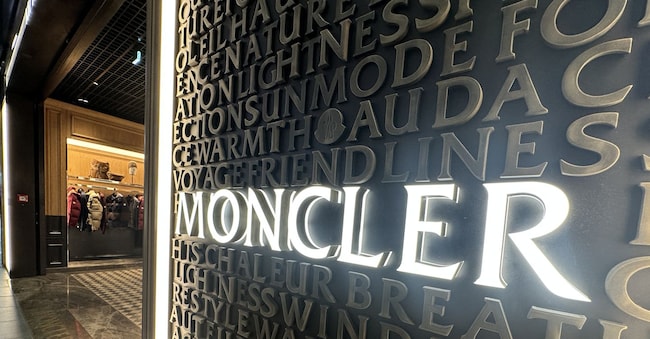
Moncler has been showing signs of weakness for several trading sessions, partly due to the fact that Equita has recently revised its estimates for the second quarter downwards, whilst maintaining a positive outlook on the stock. Following Equita, Intermonte has also cut its forecasts for the April–June period, ahead of the results the company is due to publish on 22 July.
In particular, Intermonte estimates quarterly revenue of 403.7 million euros, up 4.4 per cent, with direct-to-consumer sales of the Moncler brand remaining broadly stable compared with the same period last year. The brokerage firm’s analysts explained that this performance could, in fact, be affected by lower tourist numbers. Intermonte points out, however, that the second quarter has the least impact on the group’s annual results, given the strong seasonality of Moncler’s business, which is largely concentrated in the winter months. According to Intermonte, the group will regain momentum in the second half of the year, partly thanks to the opening of its flagship store in New York. For this reason, it is maintaining its ‘Outperform’ recommendation on Moncler, with a target price of 53.8 euros.


