
More incidents, even in the north near towns: neglect is a major factor

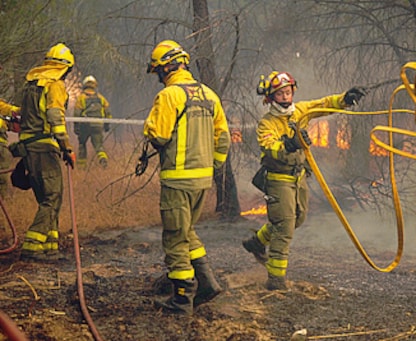
“The number of fires is on the rise; they are becoming increasingly frequent, even at times we did not expect, and even in the northern regions.” This, in a nutshell, is the trend identified by Daniele Tittoni, a senior officer with the National Fire Brigade, who has been actively involved in the fight against forest fires for many years.
Is the frequency of incidents increasing? Data from the European Effis monitoring system only records incidents covering an area of more than 5 hectares. But for us, every fire, however small, requires a response. From an operational point of view, there is no difference. Ten small fires amount to ten times as many as a single large fire, even though the latter requires greater effort. And the number of small fires has become extremely high.
What are the figures? We have 33,000 staff nationwide. In Calabria alone, we manage 1,670, and during the summer, thanks to overtime and double shifts, we deploy a further 105. However, this is compared with 9,953 fires recorded in the region in 2025.
Which areas are most affected? Between 15 and 16 per cent of the burnt areas are covered in woodland. These are mostly uncultivated or marginal areas, roadside verges or unmanaged vegetation. Apart from cases of arson, sometimes caused by the incorrect management of land ‘clearing’, the rise in temperatures in recent years is undoubtedly responsible for the increase in fires. This is linked to humidity levels in the air and vegetation, as well as low rainfall during the spring months – but that is not the only factor.
In what sense? The significant exodus from rural areas and the depopulation of the South are changing the character of these regions and leaving them uncultivated. Land that, until a few years ago, was not forested is now no longer tended by human hands, and this neglect is increasing the area at risk of wildfires.

