
More quotas against price volatility: how the EU revises the Ets reserve
More radical changes in the emissions market are expected in July. Brussels may backtrack on the gradual reduction of free certificates
from our correspondent Beda Romano
 Aggiungi Il Sole 24 Ore
ai preferiti su Google
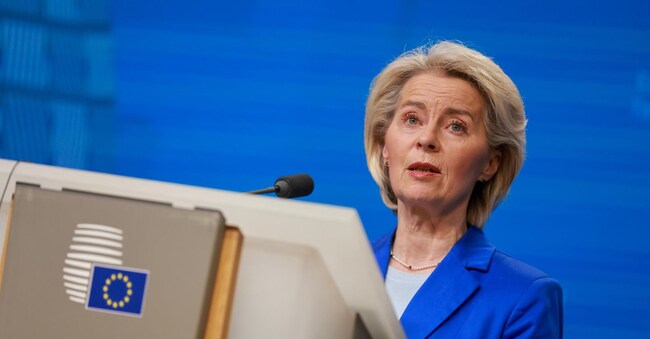
BRUSSELS - In the wake of pressure from some member states, including Italia, the European Commission yesterday unveiled some adjustments to the noxious emissions market, known by its English acronym Ets. The aim of the changes is to reduce price volatility. Deeper changes could come in July when the EU executive will be asked to propose a reform of the market in line with the 2040 climate targets.
Traded on the Ets market are certificates that companies in specific sectors are obliged to purchase to compensate for the pollution caused during their production cycle. According to the European Commission, the mechanism has helped to reduce harmful emissions by 39% between 1990 and 2024. The certificates are usually auctioned, except when the industry is at risk of relocation. In this case they are distributed free of charge.
Concretely, the adjustment proposed by the European Commission yesterday would suspend the automatic cancellation of certificates held in reserves, which Brussels can use to stabilise price developments. Currently, certificates over 400 million are automatically invalidated. The EU proposal, to be approved in Parliament and the Council, provides for these certificates to remain valid and thus replenish the reserves.
The European Commission is working on another, potentially more significant adjustment. Under discussion is the modification of the parameters for the allocation of certificates. Currently, the 10% most efficient companies can enjoy free certificates. The more inefficient companies prove to be, the more they are required to buy certificates. Brussels is expected to publish minor adjustments to these parameters in the coming days, with the aim of easing the situation in which some sectors find themselves.
This change will take place through an implementing regulation. The text will be subject to public consultation for four weeks, and then put to a vote by the governments. Initially, the proposal was supposed to arrive yesterday. Speaking to the press, an EU official explained that the discussions in the Commission are not finished: 'The directive imposes strict limits on changes to the parameters, but we are trying to understand our room for manoeuvre with the legal service as well.


