Products

Motorola Signature, the return of the super-thin phone

Motorola's new flagship starts at €1,299 and is ready to challenge the Google Pixel and Samsung Galaxy

by Luca Tremolada

3' min read

Translated by AI
Versione italiana

3' min read

Translated by AI
Versione italiana

The Motorola Signature is Motorola's most ambitious attempt in years to return to the premium end of Android smartphones. A phone that focuses not only on power, but above all on a simple idea: to make the thinnest top-of-the-range phone possible without sacrificing flagship specs. The result is a smartphone that is elegant, powerful and very different from the competition, but with some limitations that still make it an outsider compared to the Android giants.

A flagship focusing on subtlety

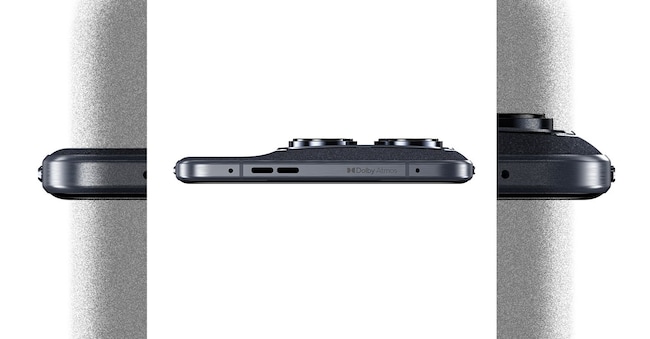
The first thing that strikes one is the design. The Motorola Signature is about 7 millimetres thick and weighs 186 grams, which is a remarkable size for a phone with a 6.8-inch display.

Loading...

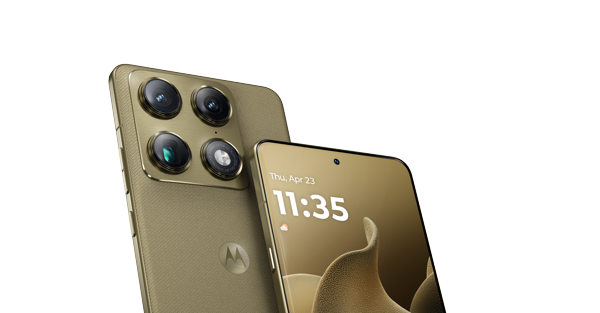
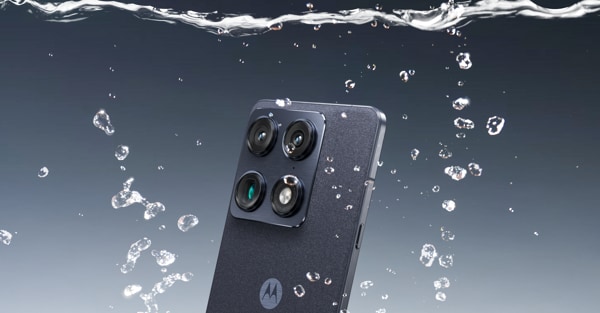
The body is made of aerospace aluminium with a finish designed in conjunction with Pantone and materials reminiscent of fabrics such as linen. The idea is that of a premium phone that stands out immediately to the touch.
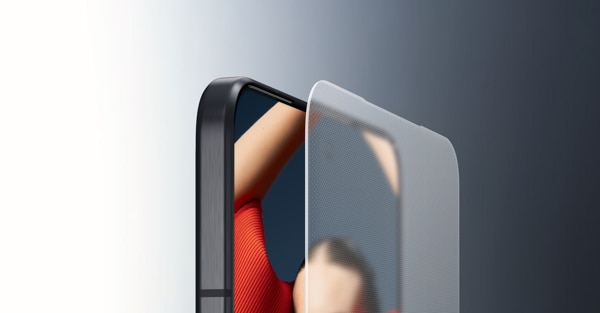
The display is a 6.8-inch LTPO AMOLED at 165 Hz, with very high brightness and Dolby Vision support. A panel designed for people who use their smartphone a lot for videos, games or social networking.

The general feeling that emerges from online reviews is clear: this smartphone holds itself in the hand like a much smaller phone. And that is exactly Motorola's point.
True top-of-the-range hardware

Technically speaking, the phone is not shy at all. The core is the Snapdragon 8 Gen 5, with 16 GB of RAM and 512 GB of storage, a typical configuration for Android flagships of 2026. The battery is 5200 mAh and supports very fast charging, while the operating system is Android 16 with an almost stock interface, without too many pre-installed apps. On the photo front Motorola is banking on a 50-megapixel Sony sensor system, with periscopic telephoto and AI-assisted zoom up to 100x. The official price in Italia is €1,299, in the range of the most expensive Android flagships.

The strengths

The first strong point is the ultra-thin design. In a market where many smartphones are becoming heavier and thicker due to batteries and cameras, Motorola chooses the opposite direction. The second is the balanced hardware. The phone is powerful, has plenty of RAM, a great display and a large battery. The third element is the lightweight software. Motorola continues to offer a very clean Android experience, with few invasive customisations. Finally, the camera is surprisingly competitive, especially for video and zoom.

The weak points

The main problem concerns the processor. The Snapdragon 8 Gen 5 is very powerful, but it is not the most advanced chip available in 2026: some competitors are already adopting newer versions such as the Snapdragon 8 Elite. The second limitation is the ecosystem. Motorola does not have the same level of software integration and services that Google and Samsung offer. The third point concerns artificial intelligence. The phone integrates Moto AI with services like Copilot or Perplexity, but it does not yet have the deep integration of AI functions that are coming to Pixel and Galaxy.

Direct competitors

The Motorola Signature is in the same segment as the more expensive Android flagships. The first rival is the Samsung Galaxy S series, which dominates the premium market thanks to a very complete ecosystem, some of the best photography and advanced AI functions. The second competitor is Google Pixel, which focuses on computational photography and deep integration with artificial intelligence. In addition, there are brands such as OnePlus and Xiaomi, which often offer even more premium hardware for the same price.

What's changing in the Android market

The Motorola Signature is interesting because it brings Motorola back into pure flagship territory. In recent years, the company had mainly focused on mid-range phones. The bet is simple: instead of fighting Samsung and Google on software or AI, Motorola tries to win on design and ergonomics. A very thin phone in an era of increasingly heavy smartphones.

Copyright reserved ©
  • Luca Tremolada

    Luca TremoladaGiornalista

    Luogo: Milano via Monte Rosa 91

    Lingue parlate: Inglese, Francese

    Argomenti: Tecnologia, scienza, finanza, startup, dati

    Premi: Premio Gabriele Lanfredini sull’informazione; Premio giornalistico State Street, categoria "Innovation"; DStars 2019, categoria journalism

Loading...

Brand connect

Loading...

Newsletter

Notizie e approfondimenti sugli avvenimenti politici, economici e finanziari.

Iscriviti