
Autostrade improves network monitoring
Using computing systems based on neural networks and computer vision models, Aspi captures and processes images in real time

Key points
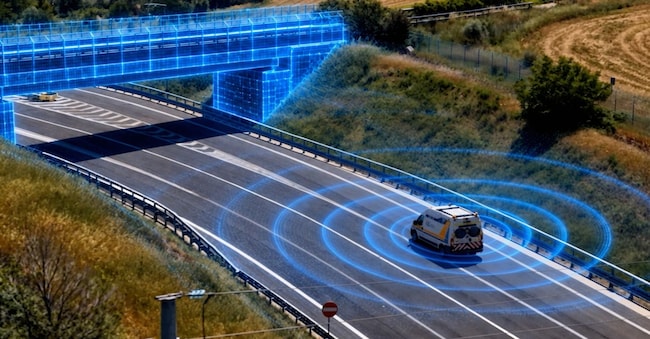
A network of around 3,000 kilometres, with 2.6 million vehicles using it every day (out of the approximately 5 million on the road nationwide): figures that, in a way, speak for themselves and which, combined with the 1,200 kilometres of bridges (four times the EU average) and the 500 kilometres of tunnels across the entire Italian toll road network, clearly demonstrate just how vital these assets are to the functioning of our country. Gruppo Autostrade per l’Italia (Aspi) is responsible for part of this complex infrastructure and has deployed a wide range of digital solutions and artificial intelligence tools to manage it. The latest addition to the ecosystem of the company led by CEO Arrigo Giana is called TCC, which stands for Traveling Control Centre. It consists of a fleet of 18 vehicles, equipped with cameras, neural network-based computing systems and in-house developed computer vision models that capture and process images in real time, utilising the principles of mobile edge computing (part of the data analysis is carried out directly on board rather than being delegated to remote systems) and transforming their presence on the road into continuous opportunities for observation.
14 million images under the microscope
During the trial period, which coincided with the first six months of 2026, these vehicles travelled over 14,000 kilometres and analysed 14 million images, with around 2,700 alerts automatically sent to regional control rooms, where operators verify them and schedule the necessary interventions. The models examine various ‘visible’ aspects of the road network, such as the joints in bridges and viaducts, roadworks signage, tunnel lighting and roadside vegetation, whilst the combination of cameras and algorithms makes it possible to detect how safety equipment is being used by operators (whose faces are anonymised to protect privacy) on construction sites, which are in turn monitored by a mobile trolley equipped with IoT technology that detects any unauthorised vehicle intrusions.
The new service, as Danilo Gismondi, Director of IT and Digital Transformation at Autostrade per l’Italia, explains to *Il Sole 24 Ore*, “is part of a much broader transformation that Aspi is undertaking to make the motorway network even safer and more reliable. The value of the Tcc lies in its ability to identify situations requiring investigation more promptly and to shorten decision-making times, thereby enhancing the capacity to manage the network in a predictive manner”.
Over 35,000 sensors
The flow of information that TTC’s ‘mobile data centres’ provide to the control rooms therefore substantially increases the monitoring capacity (of traffic and infrastructure) of a system capable of managing and processing over 3.5 billion data points annually. Contributing to this wealth of information are elements such as the 5,000 active cameras on the network (of which around 3,000 are in tunnels) and the array of 35,000 sensors for collecting data on traffic, infrastructure and weather conditions (with over 400 weather stations operating 24 hours a day).
All the data collected is ‘processed’ by machine learning tools to interpret what is happening on the roads, estimating journey times, traffic flows and potential queues, and supporting the planning of roadworks. The Falco Programme serves a similar purpose, involving the use of drones on stretches of road without CCTV cameras to transmit real-time images to the Radio Information Centre in the event of exceptional traffic flows, accidents or other incidents.

