
MPS is not postponing its AGM; the public offers for BPM and Banca Generali are going ahead
No response from CEO Lovaglio. The Siena board: ‘The bonus offered by Intesa is below average’

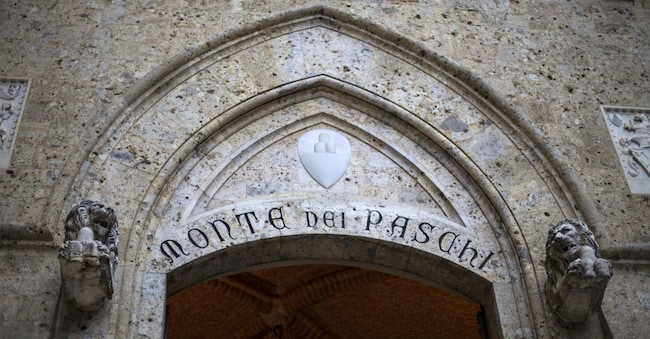
No surprise defensive move. MPS CEO Luigi Lovaglio acknowledges Intesa Sanpaolo’s renewed bid and the fact that Siena’s main shareholders have rejected his defence plan, but he does not pull any new counter-move out of his hat. Nevertheless, he confirms the entire structure of the plan and is putting it to a vote at the shareholders’ meeting on 29 October, when its rejection will be inevitable.
This is the line that emerged from Montepaschi’s extraordinary board meeting. Rather than discussing possible counter-moves, the meeting served to take stock of Ca’ de Sass’s new offer and to acknowledge the improvements it contained. On 3 October, the group led by Carlo Messina put forward to MPS shareholders, in addition to the 30.6 billion already offered, an additional cash component of around 800 million, bringing the total to 3.8 billion, subject, however, to the Siena-based shareholders rejecting the two ‘competing’ public offers for BancoBpm and Banca Generali and to the distribution of a special dividend of 4 billion, as proposed by Montepaschi’s CEO.
Criticism from Siena
These new conditions, set by Intesa, were the subject of a lengthy technical and critical review by the Siena-based board yesterday. The focus was primarily on the cash component of Intesa’s public takeover bid, which, despite having risen by 25 cents from the initial euro offer, is still considered low compared with the level deemed appropriate. Whilst the Siena board acknowledges Intesa Sanpaolo’s revised offer, it also notes that the 15.3 per cent premium ‘remains lower than the average observed in comparable voluntary public offers in the Italian banking sector’, which stands at around 30 per cent. Furthermore, the adjustment to the exchange ratio to account for the dividend payment “does not increase the value originally attributed” to the share component, as stated in a press release issued this evening. As for the terms of the OPAS, according to the board, Siena’s shareholders find themselves ‘in a context of continuing uncertainty’, with the risk of abandoning the MPS project ‘without having the certainty’, however, that Intesa’s offer will be completed. ‘The project promoted by Siena and the one proposed by Intesa lead to different industrial structures,’ the directors added.
In the lengthy statement issued following the meeting, the board also revisits what it considers to be the risks associated with the execution of the deal. One sticking point is said to be the annual synergies of 2.9 billion announced by Intesa, which would represent, overall, approximately 63 per cent of the cost base and 24 per cent of revenues, whilst the scope of these synergies ‘has not yet been definitively identified’. A comment was also made regarding the merger with Mediobanca, which, according to the board, ‘was not conceived in response to the ISP Offer’, but is based on an ‘independent industrial, organisational and regulatory rationale’. Furthermore, for the bank led by Lovaglio, the failure to complete the merger could also necessitate a ‘significant liability management operation’ to comply with MREL requirements, with possible implications for the dividend policy as well.
Criticism of Intesa also centres on the proposed commitments which, according to the Board of Directors chaired by Cesare Bisoni, have not been ‘quantified’ in terms of investment and employment. And the focus is once again on Generali, where the transaction is said to give rise to ‘competitive overlaps’. For the Siena-based board, however, there will only be time to make a definitive assessment once the offer document has been published, which will take place on the eve of the launch of the public takeover bid.


