The strength of multi-brands: research and relationship with people and places
A conference organised by Camera Buyer Italia reaffirmed the centrality of the wholesale formula in the fashion ecosystem: 'We are curators of brands, culture and territories'

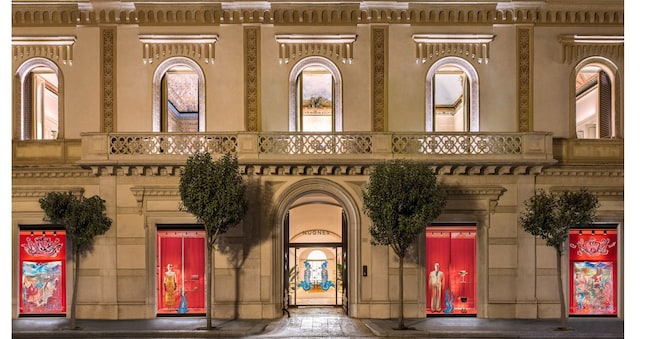
For a long time they were the only channel of sales and contact between brands and customers. Then, undermined by the proliferation of single-brand shops and the commercial evolution of the web, but not only that, multi-brand boutiques began to suffer, to the point of fearing their extinction in certain cases. Yet they are a peculiarity of Italy: no country in the world has so many and so widely distributed as we do, in large cities and small towns; shops sometimes with a centuries-old history, conceived as research laboratories, even experimentation, places of discovery and personal contact, sources of contribution in economic terms and beauty to their territories with the sophisticated preciosity of their spaces.
And it is precisely at a time of widespread luxury fatigue - that mix of brand over-supply, dilution of exclusivity and prices now considered too high, which has generated a drop in luxury purchases - that the multi-brand formula could find new energy. This was the outcome of the conference 'Ne(x)t Retail - The future of multi-brand between continuity, transformation and Made in Italy' promoted in Rome at the headquarters of the Ministry of Enterprise and Made in Italy (Mimit) last Tuesday by Camera Buyer Italia (the association, founded in Milan 25 years ago, which involves over 600 of the best multi-brand boutiques in Italy and abroad) in collaboration with the ministry itself and with the patronage of the National Chamber of Italian Fashion, which represents the major brands in our supply chain.
Le nuove potenzialità del canale multimarca sono state identificate dal report “Trends in Luxury Fashion: Consumer Survey 2025”, presentato da Erika Andreetta, partner Pwc Italy e Emea fashion&luxury leader: fra i risultati più interessanti, quello che il 71% dei rispondenti nel corso della sua vita ha acquistato articoli di lusso in boutique italiane multimarca, sia fisiche che online, attratto soprattutto (nel 43% dei casi) dalla loro selezione esclusiva di articoli, difficilmente reperibile altrove. I multimarca sono preferiti ai monomarca anche per il loro migliore servizio clienti e per l’assistenza post vendita. La clientela, tuttavia, non è un blocco uniforme: ogni categoria anagrafica esprime precise preferenze e aspettative, che i negozi sono chiamati a riconoscere e soddisfare. Innanzitutto, un dato quasi inaspettato è che sono le generazioni più giovani, i Millennials (30-45 anni) e la Gen Z (28-23 anni), a preferire i multimarca. Tuttavia, sono anche quelle più attente al prezzo, c
Also believing in the potential of multi-brands is Brunello Cucinelli, who recalled how it was the intuition of Barney Pressman, founder of Barneys, who met him in the 1980s as a small producer at Pitti, that opened the doors of the United States to him, still today the Umbrian company's first market: "The multi-brand is the true guardian of the brand," he said speaking at the conference, "because buyers understand perfectly and often in advance whether a brand works. I have great confidence in their success, but more attention must be paid to consistency with one's online presence and distribution.
Of multibrands as "places of ethical trade and emotional intelligence, the new driver of purchases" spoke Alfonso Dolce, ceo of Dolce&Gabbana, and Antonio de Matteis, ceo Kiton, reiterated the need to "defend the quality of service, the quality of relationships, the true strength of multibrands".