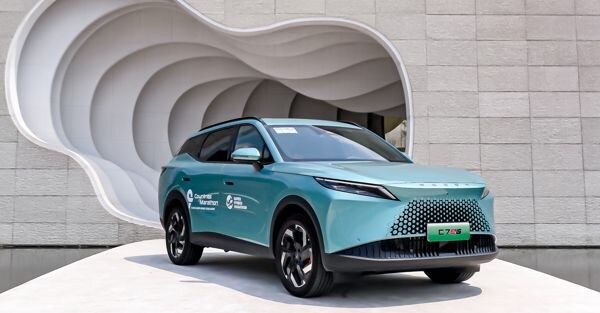
Multi-energy solutions make their way into fleets
Manufacturers expand the range of models with different types of hybrid or fully electric powertrains to meet the diverse needs of a rapidly changing demand

3' min read
3' min read
Multi-energy. A term that has become the mantra for every car fleet manager, who is faced with an energy transition that has to respond to user demands, new fringe benefit regulations but above all to an automotive offer that was unthinkable just a few years ago. Because until the pre-covid period, diesel was the main fuel for every fleet, with a minority of electrified models running on petrol.
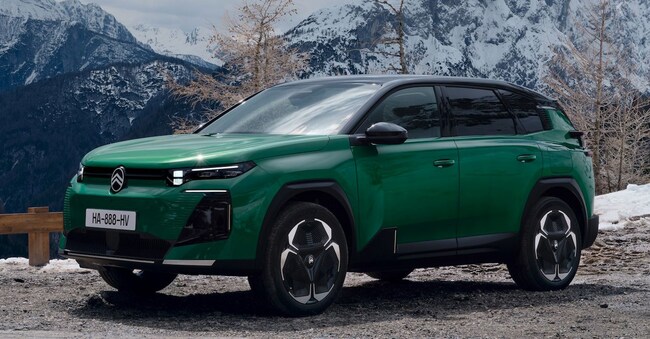
Today, the situation is completely reversed, with 'pure' diesel becoming increasingly rare and a continuous growth of hybrid models of various kinds. This analysis can be seen in the models recently launched by manufacturers, starting with the second generation of the Citroen C5 Aircross. Built on the Stla Medium platform, used by several Stellantis models starting with the Peugeot 3008, the C5 Aircross has grown in size to more than 4.65 metres and offers a fully electrified range with no diesel versions, starting with the 48 Volt hybrid combining a 136 hp (100 kW) 1.2 litre 3-cylinder engine with an electric motor supporting the combustion engine to achieve a combined power output of 145 hp.
The 1.6 plug-in hybrid version, on the other hand, reaches 195 hp and an electric range of around 86 kilometres. Rounding out the offer is the electric C5 Aircross, in 210 hp and 73 kWh battery versions with 520 km range and the more powerful 230 hp, 97 kWh battery and 680 km range.
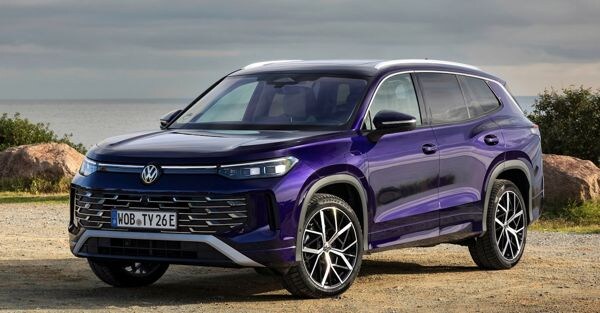
The multi-energy concept is also found in the Volkswagen Tayron, where the electric version is missing but the electrified diesel engines are present. Derived from the VW Tiguan, the Tayron is available with two plug-in hybrids (204 and 272 hp eHybrids with over 100 km range), a mild hybrid engine (1.5 eTSI 150 hp front-wheel drive), two turbo petrol engines (2.0 Tsi 4Motion 204 and 265 hp) and two turbo diesel engines (2.0 Tdi 150 hp 2wd and 193 hp 4wd). All versions are mated to the 7-speed Dsg gearbox, with the exception of the phev where there is the 6-speed eDsg.
A multi-energy range is one of the strengths of the recent Jeep Compass, now in its third generation with completely new styling and content. Developed on the Stla Medium architecture, it is powered by puretech 3-cylinder 1.2 light 48-volt hybrid engines with 145 horsepower with 4xe drive and the 195 horsepower 1.6 plug-in hybrid. If the diesel is out, the electric versions will be offered in combination with two batteries, starting with the 74 kWh rear-wheel drive version with 213 horsepower. Moving on to the 96 kWh battery version, power reaches 375 hp in the 4x4 model and autonomy 650 km by opting for the 231 hp two-wheel drive. Recharging is up to 160 kW using direct current sockets, while alternating current recharges up to 22 kW.