
PNRR: local authorities are the main implementing bodies – they have managed a total of 24.5 billion
At Palazzo Marino in Milan, an ANCI hearing was held to present the figures: local authorities have carried out 83,000 projects

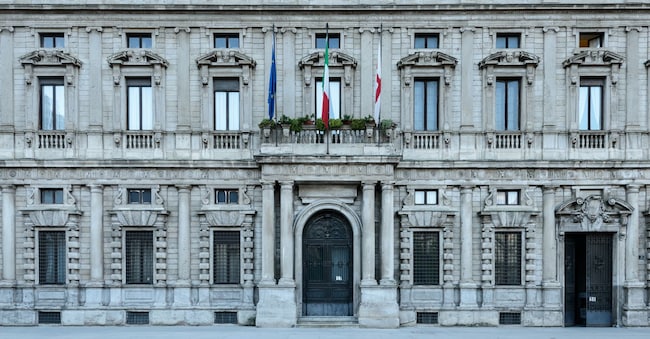
Latest updates on the NRRP, with just a few weeks to go before the plan comes to an end. Yesterday, during a committee meeting at Palazzo Marino, figures were presented which are said to demonstrate the strong performance of local authorities and major cities in particular.
According to data from the Court of Auditors, as reported by Francesco Monaco of IFEL-ANCI Foundation, municipalities remain the main implementing bodies both in terms of projects (more than 83,000) and in terms of resources managed (24.5 billion), followed by the regions and autonomous provinces (more than 35,000 projects and 19.3 billion) and, finally, the bodies within the national health service (just over 309 million). The city of Milan has utilised 95 per cent of its funds.
As emerged during the meeting, once the NRRP has been finalised, attention will focus entirely on the European Cohesion Fund, the only major channel through which Brussels will support territorial and urban development.
On 1 January 2028, the new seven-year cycle of European programming (2028–2034) will begin, and the debate is still ongoing between those who argue for a centralised approach – viewing local authorities merely as spending bodies – and those who, on the other hand, would like to give cities a significant role in the planning of initiatives as well, through dedicated and financially substantial regional programmes.
The game is being played out in Rome, but also in Brussels, where the Parliament must introduce binding criteria into the regulations (partly on the basis of requests from the European Union’s Committee of the Regions). “Either decisions are also steered from Brussels, or full discretion is left to each Member State – and therefore to each government – to do as they please with European funds without any oversight,” says Carmine Pacente, a member of the EU Committee of the Regions in Brussels (rapporteur for a motion on the role of cities in relation to European cohesion funds).


