Cultural gamification

Museums and video games: how can experimentation be turned into a market?

From its early days to ministerial platforms, gaming has established itself as a tool for promoting cultural heritage. Public investment is opening up new opportunities; the challenge is to turn these into sustained demand and an opportunity for learning and participation

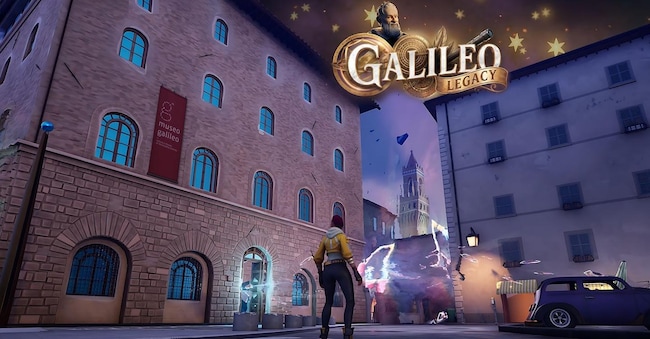
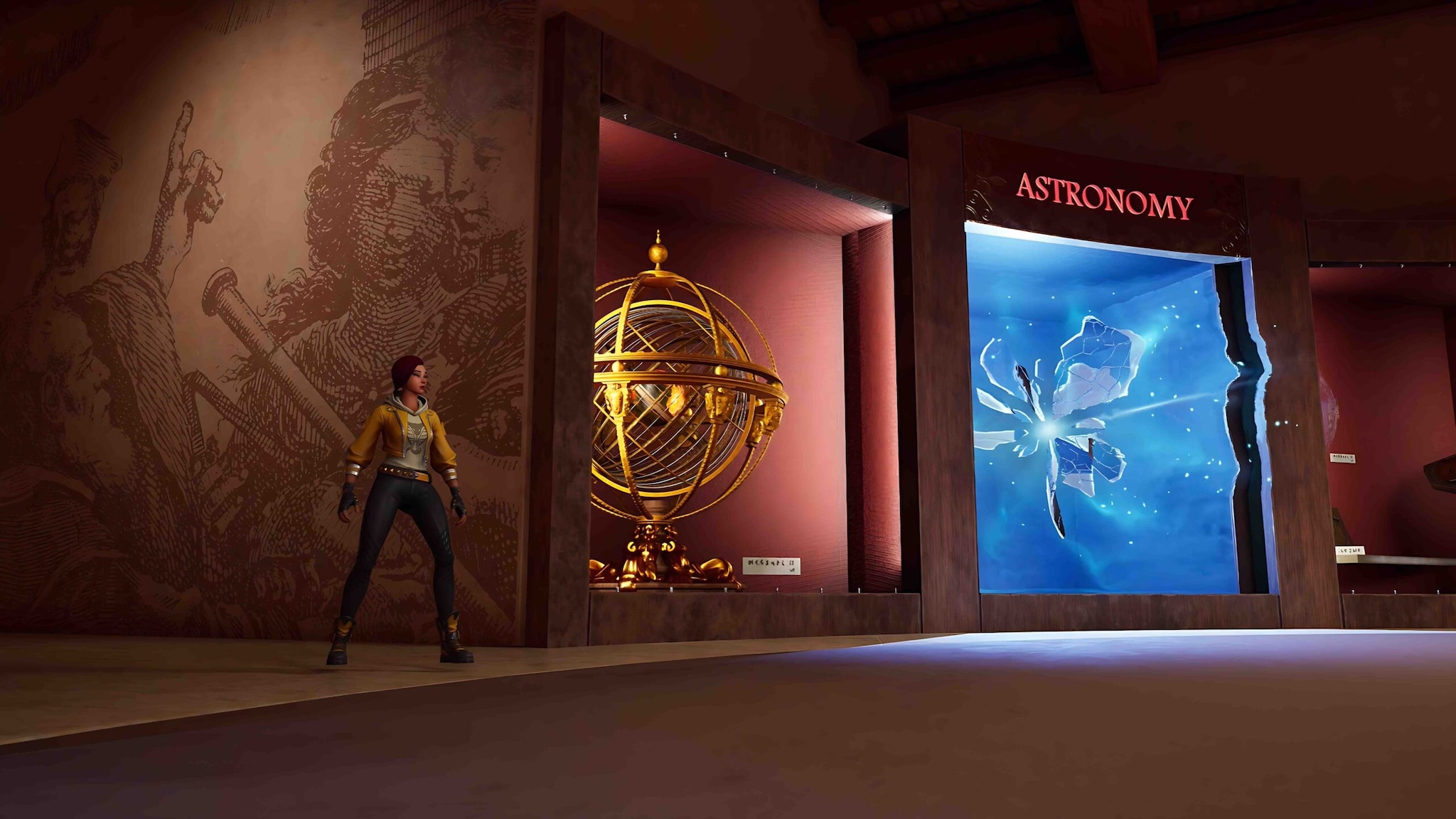
Galileo Legacy - Museo Galileo Galilei, 2026 realizzato da DotBeyond

7' min read

Translated by AI
Versione italiana

7' min read

Translated by AI
Versione italiana

A science museum bringing its collections to Fortnite, an exhibition tracing eighty years of video game history, and the Ministry of Culture choosing the 22nd edition of LuBeC to present its cultural gamification projects. Three initiatives, taking place between 13 and 15 October 2026, which, from three different perspectives, highlight the growing role of video games in the Italian cultural landscape. This coincidence in timing draws attention back to a phenomenon that is by no means new, but which is now gaining fresh momentum thanks to the evolution of digital technologies, the spread of video game languages and, above all, the growing interest from public policy makers.
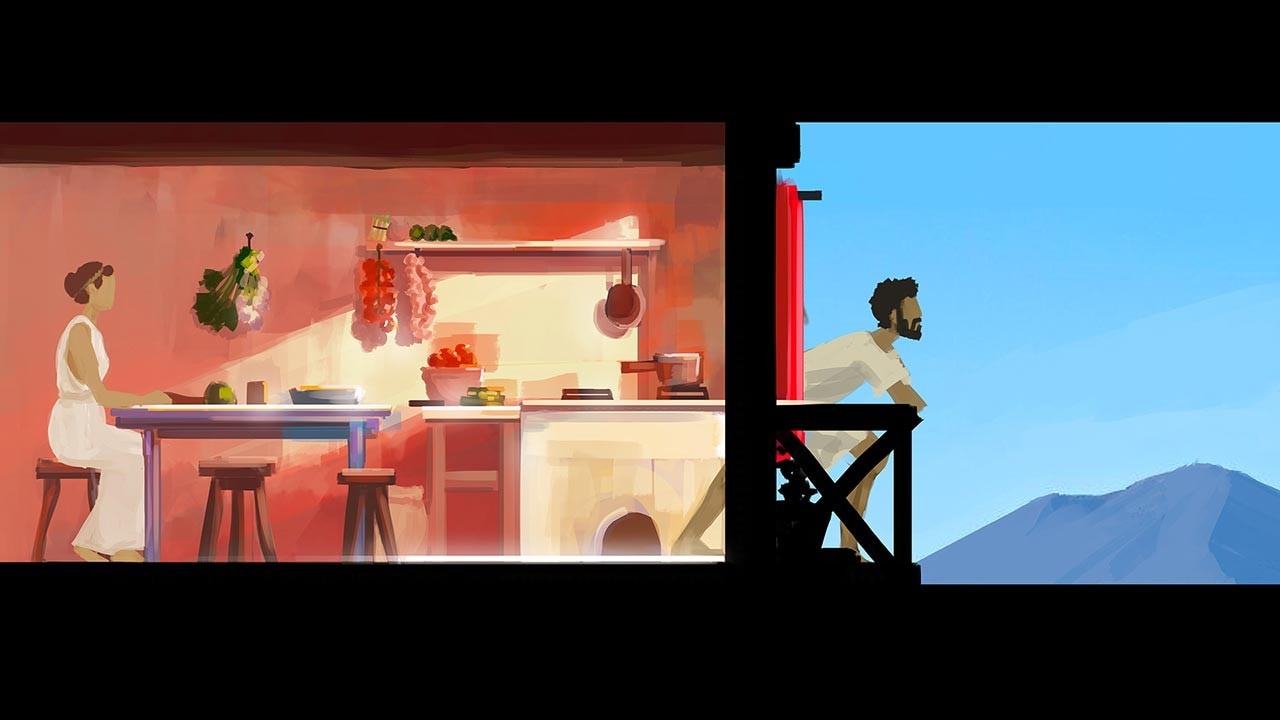
Fater and Son - Museo Archeologico di Napoli, 2017 realizzato da TuoMuseo

We are talking about a sector which, according to IIDEA, the trade association for the video games industry in Italia, generated a market worth 2.386 billion euros in 2025. A figure which, on a European scale, soars to 29.7 billion euros across the 16 markets analysed in the report by Video Games Europe and European Games Developer Federation, with an audience of 199 million players. Whilst these figures do not represent the economic value of cultural gamification – which remains difficult to quantify – they do illustrate the scale of a market and the spread of a language that even cultural institutions can no longer ignore.
Loading...

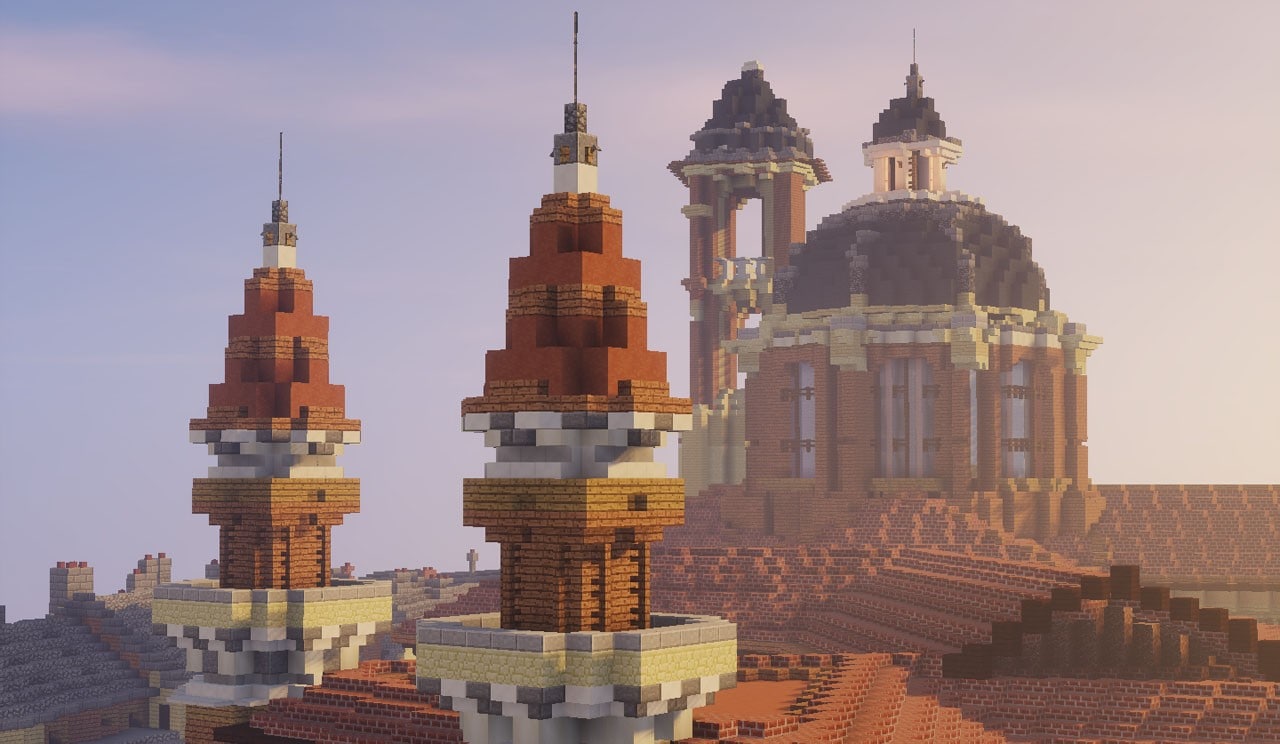
Raffaello in Minecraft, Galleria Nazionale delle Marche, 2018 realizzato da Maker Camp

The trial takes shape

But what exactly has happened over the past week? First and foremost, it was LuBeC, the annual event dedicated to innovation in the cultural sector, where the Ministry of Culture presented a series of projects that use gaming as a tool for learning about and promoting cultural heritage. The initiatives range from archaeology to libraries: ArcheoMinecraft, developed by the ‘Pompeo Aria’ National Etruscan Museum in Marzabotto in collaboration with the Golinelli Foundation, reconstructs an Etruscan city in a virtual environment; Book Side, created by the National Library of Potenza in collaboration with Effenove, transforms the discovery of library services into an interactive experience; whilst Marginalia, developed by the State Library of Lucca in collaboration with Bean Adventure Agency, aims to attract new audiences to the library’s heritage through the dynamics of play. In Naples, The Stories of the Aragonese: The Secret of the Coffins, a project by the Superintendency carried out in collaboration with Grifo Multimedia and the Lapej studio, takes its cue from the restoration of Aragonese funerary artefacts to create a walking tour through the streets of the historic centre.

During the same period, in Florence, the Museo Galileo presented Galileo Legacy, an experience developed in collaboration with Dot Beyond within Fortnite. Funded by the Ministry of Culture through the PNRR, the project brings the heritage of an Italian museum to one of the world’s most popular gaming platforms. Telescopes, astrolabes and armillary spheres become tools for tackling puzzles and missions inspired by the scientific method, bringing museum content into an environment already familiar to millions of players. A different kind of initiative comes from M9 – Museo del ’900 in Mestre, which, with the exhibition ‘PLAYERS. Games, video games, culture and society’, curated by Fabio Viola alongside Michelangela Di Giacomo, Giuseppe Cosenza and Damiano Bordoni, turns the perspective on its head: it is not the museum that uses video games to showcase its heritage, but rather the video game itself that becomes the subject of the museum’s investigation, through an exhibition that traces its technological, cultural and social evolution.

From the museum to virtual worlds: ten years of experimentation

The relationship between museums and video games is nothing new. The research “Video games, gamification and museums in Italy. A quantitative analysis and qualitative in-depth study”, published in 2023 in *Economia della Cultura* and based on a survey of the 500 leading Italian museums, identified 80 gaming and gamification initiatives across 63 cultural institutions. This is not an exhaustive survey, but it is indicative of a phenomenon that, over the last decade, has seen a proliferation of projects, approaches and ways of engaging audiences.
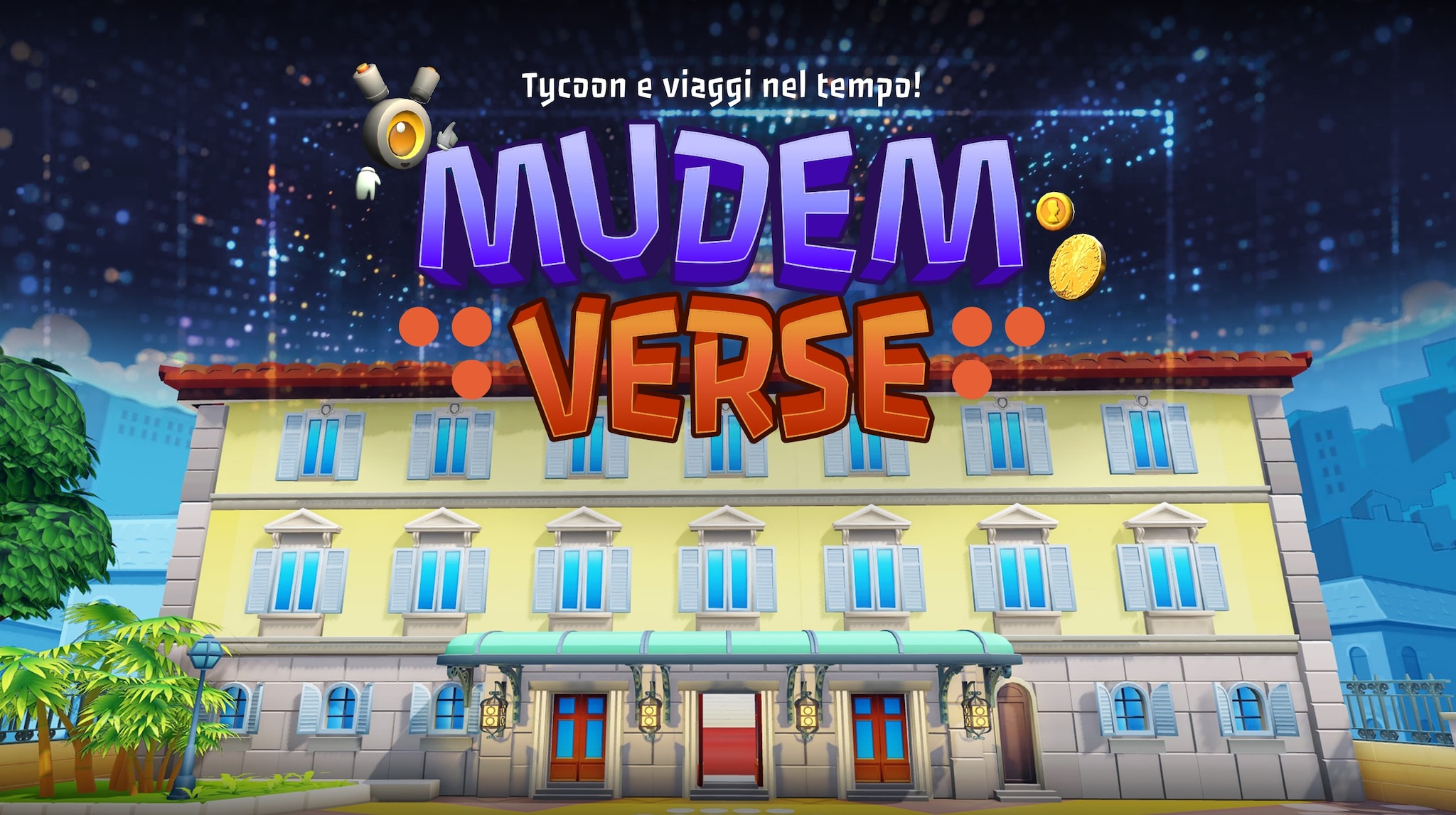
Among the earliest examples, we cannot fail to mention Father and Son, the video game created in 2017 by TuoMuseo for the National Archaeological Museum of Naples, which, according to figures provided by the producers, has exceeded five million downloads. In 2018, with Past for Future, the National Archaeological Museum of Taranto followed a similar path, weaving a contemporary narrative with the city’s archaeological heritage and identity. More recent is the initiative by the National Museums of Matera with Ridolhunting – The Museum Awakens, created by Grifo Multimedia as part of the Ministry of Culture’s Ecomic digital ecosystem. The project transforms the discovery of the Ridola Museum’s heritage into a geolocated treasure hunt that takes in ten locations across the city, featuring puzzles, missions and artefacts to be found. Alongside these original productions, another approach has gradually gained ground: using major gaming platforms to reach audiences in their usual digital environments. The National Archaeological Museum of Naples, with MANNcraft, has recreated the museum building and part of its collections in Minecraft. In 2022, the Modena Figurine Museum also chose Minecraft to offer interactive tours, puzzles and treasure hunts, whilst the MUDEM – the Bank of Italia’s Coin Museum – developed MUDEMverse, an experience on Roblox dedicated to the history of currency and financial education. Galileo Legacy forms part of this initiative, bringing the scientific heritage of the Museo Galileo in Florence to Fortnite, a platform frequented by a vast community of players. In short, the perspective is reversed: it is no longer just the public entering the museum through the game, but the museum entering the world of the players.

Mudem Verse - Museo della Moneta, 2025 realizzato da Melazeta

From pilot schemes to public policy

The spread of gamification in the cultural sector is also being driven by its gradual integration into public policy. In this regard, the PNRR has acted as a major catalyst, funding both projects aimed at individual cultural institutions and technological tools designed for wider-scale use. In 2025, the Directorate-General for Museums of the Ministry of Culture published a call for proposals worth 300,000 euros, as part of Investment 1.2 of the PNRR, dedicated to removing physical and cognitive barriers in museums, libraries and archives. The call for proposals provided for the creation of three cultural video games, with a grant of 100,000 euros each, and was aimed at public and private cultural institutions that were already beneficiaries of the scheme. The aim was to trial free and replicable gaming experiences capable of broadening access to cultural heritage and engaging new audiences.

Of greater economic significance is the initiative by the Ministry of Culture’s Digital Library, which, as part of the national strategy for the digitisation of cultural heritage, has launched a two-phase programme. The first phase, through four calls for proposals totalling 4 million euros, funded 24 co-creation initiatives in the fields of accessibility and inclusion, gamification, advanced access, and conservation and restoration. The second, launched in April 2025, involved a competitive dialogue procedure worth 15 million euros for the procurement of innovative digital solutions, of which approximately 3 million was earmarked for gamification.

It is precisely this latest initiative that marks a potential shift in direction. The gamification component was, in fact, aimed at developing a national platform capable not only of gathering and showcasing the experiences gained through the funded projects, but also of enabling museums, libraries and other cultural institutions to independently create new interactive experiences based on their own digital content. The ambition is to overcome the fragmentation of individual experiments and provide shared, reusable tools that are accessible even to the smallest organisations. This is a significant prospect, the scope of which will, however, depend on the platform’s actual availability and the institutions’ ability to adopt it.

Public support, moreover, is not limited to the cultural applications of video games, but also extends to the industry that produces them. In 2025, the Ministry of Culture confirmed a grant of 12 million euros for the tax credit for the production of Italian video games recognised as having cultural value. Introduced in 2021, the incentive provides a tax credit equal to 25 per cent of eligible expenditure and constitutes a support mechanism for video game production that is distinct from funding allocated to museum gamification.

Loading...

Galileo Legacy - Museo Galileo Galilei, 2026 realizzato da DotBeyond

Cultural gamification: the challenge of building a market

The growing demand for digital experiences in the cultural sector is being met by a rapidly expanding industry. In Italia, the number of companies active in video game development has risen from 48 in 2012 to over 200 in 2024, with around 2,800 employees and an estimated total turnover of between 180 and 200 million euros, up 36 per cent on 2022 (IIDEA, 2025). This production figure contrasts sharply with the 2.386 billion euros of the Italian video game market in 2025, which instead measures consumer spending. This is an important distinction for understanding the prospects of cultural gamification.

But for this market to become established, one key question remains to be addressed: does the success of a video game really translate into greater cultural engagement? Millions of players and thousands of downloads do not, in themselves, guarantee a greater interest in cultural heritage. According to Istat data, in 2025, 35.8 per cent of Italians aged six and over visited at least one museum or exhibition, whilst 32.3 per cent visited an archaeological site or monument. These percentages are rising over the long term, but they confirm that visiting such places remains a minority habit. It is precisely in the gap between the spread of digital entertainment and cultural participation that some of the most interesting opportunities for the sector arise. Provided, however, that the success of these experiences is measured not only in terms of the number of users reached, but also by their ability to generate knowledge, interest and new forms of participation, even beyond the physical visit itself. For museums and cultural institutions, this means moving beyond the notion of the video game as a stand-alone initiative and, where it yields results, viewing it as part of a broader cultural offering, comprising services and experiences capable of evolving over time.

Copyright reserved ©
Loading...

Brand connect

Loading...

Newsletter

Notizie e approfondimenti sugli avvenimenti politici, economici e finanziari.

Iscriviti