Music, festivals and atmosphere in enchanting Seville
Cradle of Flamenco, alive and so linked to Andalusian culture, it is a destination of choice throughout the year, but in summer with a rich programme of events it is even more so

4' min read
4' min read
The melodies and rhythmic beat of flamenco, the colours and architecture of historic buildings, music festivals and popular celebrations. All this is what a trip to Seville has in store, especially in the summer season. It is a memorable experience that imprints itself in the mind and heart of those who visit what is one of the most attractive cities in Spain, easily accessible from Italy with direct flights.
Rhythm and exibitions in the streets
That flamenco is the ultimate expression of Seville's lifestyle is immediately apparent as you walk through the streets of the centre and it is easy to hear the sound of the guitar or castanets that refer to Andalusia's most representative musical genre. The city is one of the most famous and suggested places to watch flamenco performances in the numerous venues in the centre - the so-called Tablao flamenco - that offer authentic live shows. The Museo del Baile Flamenco, on the other hand, is a tribute to this art and an invitation to learn more about its history and culture through an exhibition with testimonies, clothes and photos. In addition, this year sees the return of one of the most important events attracting experts and enthusiasts: from 11 September to 5 October, the 23rd edition of the Flamenco Biennial is scheduled, offering unique encounters with today's leading exponents, legendary masters, and new talents to celebrate this typically Spanish art.
The Cathedral, the Giralda and the Real Alcázar
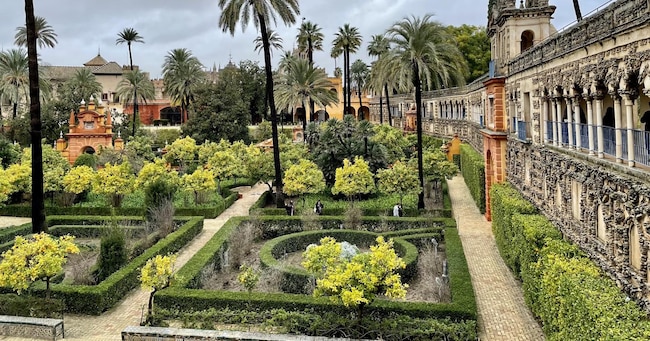
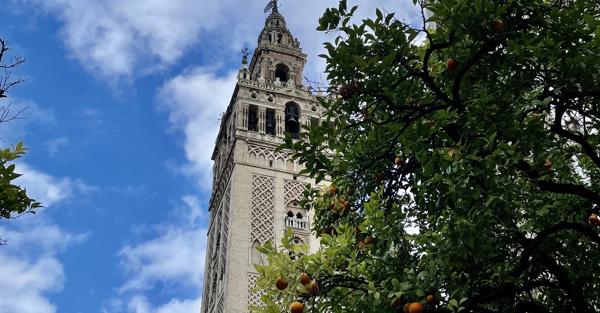
The historic centre of Seville is a riot of architecture, culture and history that shows the legacy of Muslim domination in the Middle Ages, combined with later Christian and Renaissance influences. It is in the barrio Santa Cruz, the old Jewish quarter, that the most representative and UNESCO World Heritage-listed historic buildings rise majestically. The immense Catedral, built between 1434 and 1517 on the remains of the city's mosque, is the largest Gothic cathedral in the world. Its bell tower, known as the Giralda, is a hundred-metre tower from which you can enjoy panoramic views. Among the treasures included in the cathedral complex are the original minaret of the mosque, the monumental tomb of Christopher Columbus and the Capilla Mayor. A mixture of Renaissance and Mudejar artistic and architectural influences makes the Real Alcázar unique; the original core of this sumptuous building dates back to the early 10th century when it was built as a fortress by the Muslim government and later expanded to become a royal residence. It is in this magical setting that Nights in the Gardens of the Real Alcázar in Seville will be staged from 20 June to 14 September 2024: a cycle of open-air concerts, performances by national and international orchestras. A visit to the Archivo General de Indias, in Plaza del Triunfo, provides an insight into the colonial history of Spain, through documents, letters and maps dating from 1492 to the 19th century.
The fairy-tale Plaza de España, the Triana barrio and the sunset from the Metropol Parasol
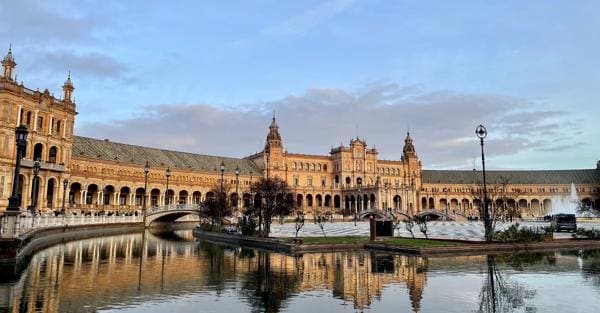
To the south of the city, the large Parque de María Luisa is a pleasant and relaxing spot that boasts the elegant Plaza de España. The work of architect Annibale González, who designed it for the Ibero-American Exposition of 1929, this extraordinary square features a romantic canal that runs around it, which can be travelled by hiring a rowing boat, four bridges representing the four ancient kingdoms of Spain and forty-nine benches covered with decorated tiles depicting historical scenes from each Spanish province.

Music festivals and folk festivals
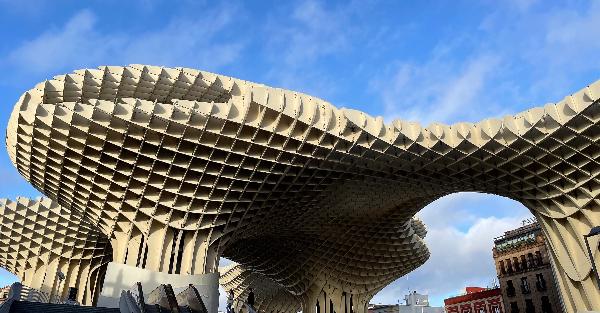
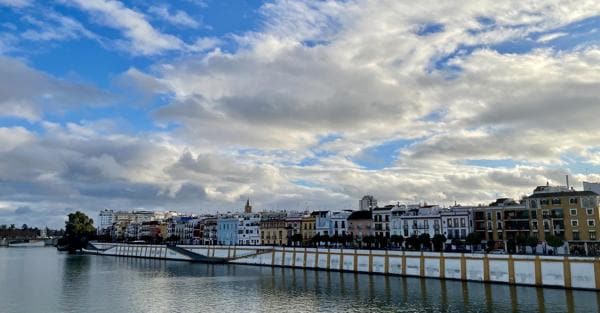
It is precisely in Plaza de España that, from 7 June to 16 July, the Icónica Sevilla Fest, one of the most renowned music festivals in Spain and Europe, is scheduled, featuring national and international artists. Exploration of the city must also continue beyond the Guadalquivir because on the left bank of the river lies the Triana barrio, known especially for its ceramics, a tradition that can be discovered at the Centro de la Cerámica in calle Callao 16. What particularly animates the city's old quarter is the Velà (eve) of Saint James and Saint Anne, a festival declared of Tourist Interest of Andalusia scheduled from 21 to 25 July. A popular celebration dating back more than seven hundred years with the first worship of the image of Saint Anne, which has become an unmissable event of the Seville summer. Six days of fun during which you can taste traditional dishes such as pescaíto frito, fried fish, or avellanas verdes, green hazelnuts, and watch the ancient game of cucaña where young daredevils run on a wooden plank about five metres long, placed on the river, to reach a flag. Back in the barrio Santa Cruz in Plaza de la Encarnacíon, where the food market of the same name is located, you can admire the modern structure of the Metropol Parasol. Better known to the locals as Las Setas (mushrooms), it is distinguished by an enormous honeycomb roof built in 2011 to a design by German architect Jürgen Mayer H. If you climb to the top you reach the Mirador, a terrace with two hundred and fifty metres of walkways; a unique vantage point from which to observe Seville, especially at sunset, when the colours and light of late day that settle over the city make it even more enchanting.Velá (eve) of St James and St Anne,