Musicultura: Italian song as a living heritage
In Macerata, the 37th edition of the festival is reviving Italian singer-songwriter and folk music, featuring young songwriters and new musical horizons
by Riccardo Piaggio
 Aggiungi Il Sole 24 Ore
ai preferiti su Google
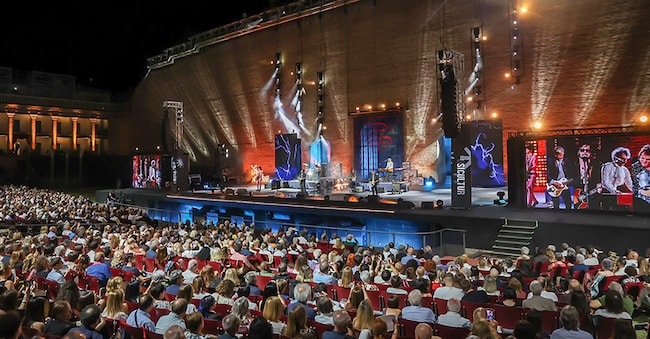
“Now the bell rings out / heralding the festival to come”. Musicultura remains, even in 2026, one of the few possible Italian translations of that word – ‘festival’ – which, even before denoting a programme of events, signifies a celebration, a gathering, a temporary community. Not merely a stage to watch, but a city to explore. Not a conventional, front-and-centre event, with artists, applause and the audience arranged in a hierarchical order, but an ecosystem: the Sferisterio in Macerata, the courtyards, the squares, the palaces, the voices that come together before and after the songs.
The Sferisterio
It is here that Italian singer-songwriter and folk music reveals its deepest essence: that of a living intangible cultural heritage, comprising language, dialects, memory, community, oral tradition, civic storytelling and poetic invention. Why should our song tradition – a form of expression capable of bringing together generations, regions, internal migration, emotional education and collective consciousness – not be worthy of nomination for inclusion on UNESCO’s List of Intangible Cultural Heritage? In any case, this is where we should start today.
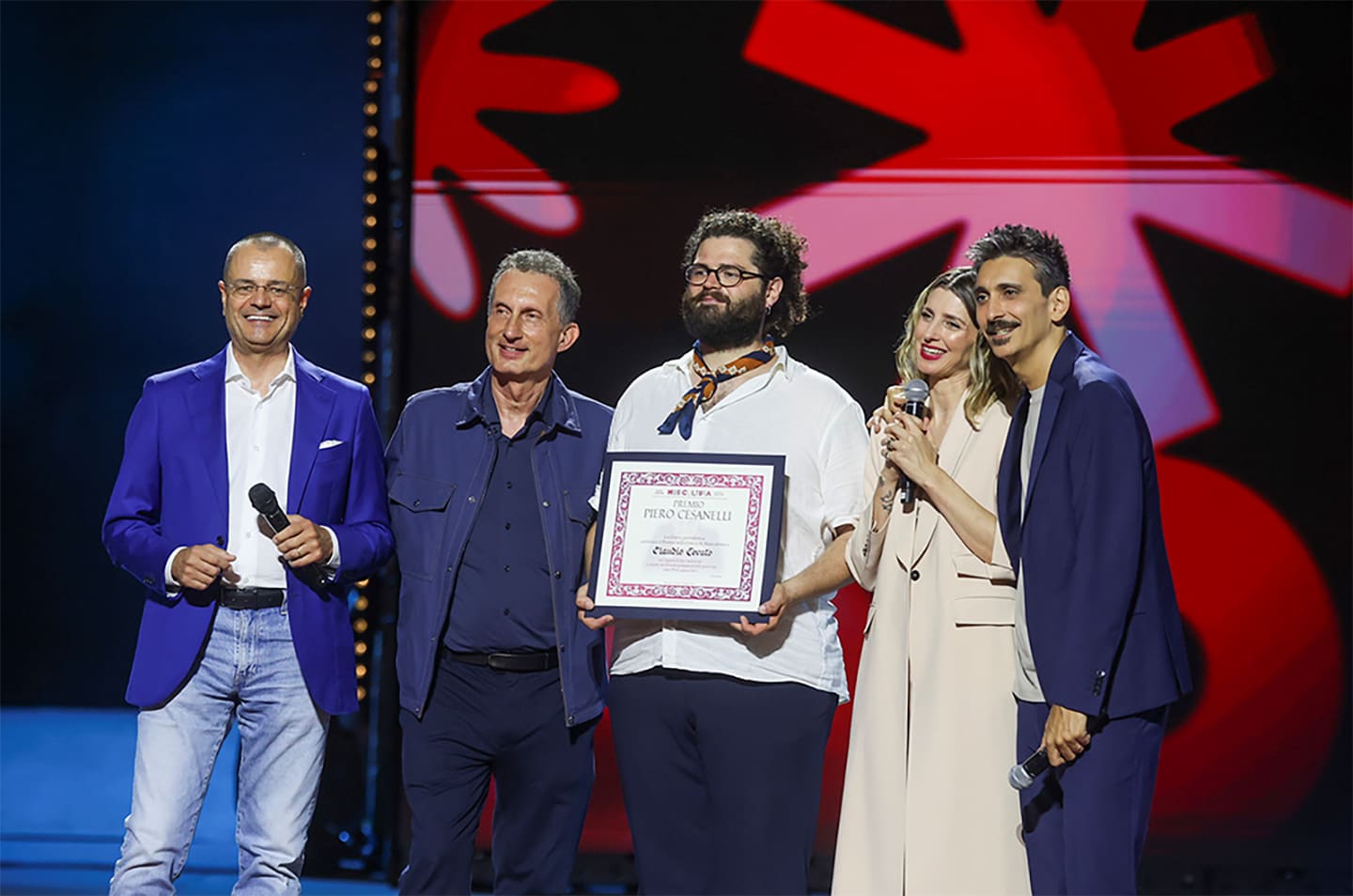
The eight winners of Musicultura, now in its 37th edition, is perhaps one of the places where this is most clearly evident. On the one hand, there is the archive, the history, and the names the festival discovered when they were still up-and-coming talents; on the other, there is the fragile yet essential present of the eight winners, who arrive at the Sferisterio not as mere decorative ‘new talents’, but as the very heart of the event.
The eight winners for 2026 are Claudio Covato with Chiddu ca ma resta, DDUMA with Fimmine de guerra, Giovanni Toscano with Emma, Giulia Trovò with Se non dovessi più tornare, Isabella Privitera with Eya, MEZZANERA with Piume, Narratore Urbano with Il mio coinquilino vuole uccidermi, and Rosita Brucoli with Agente!.
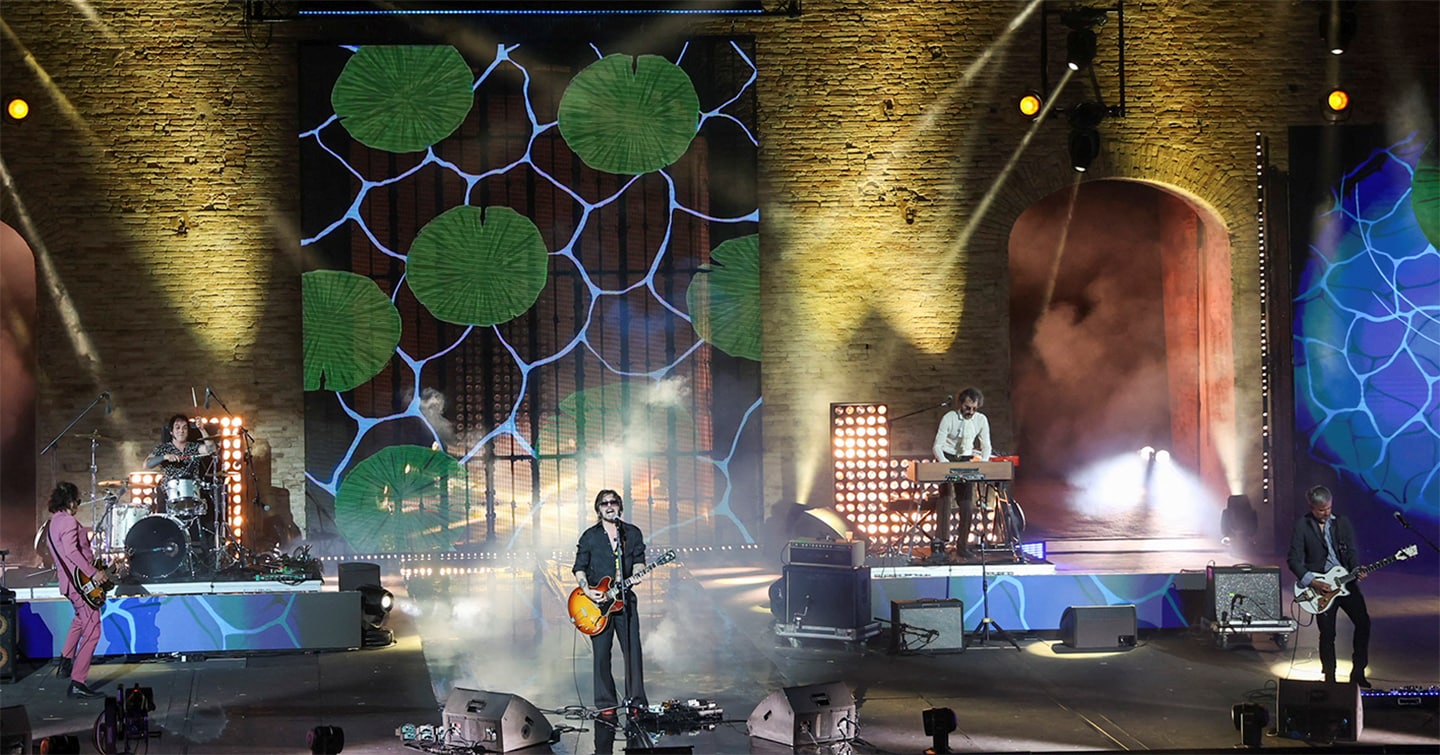
Eight names and eight tracks that aptly capture the diverse landscape of contemporary Italian song: the South and its languages, urban storytelling, irony, personal pain, the female body, family memories, apparent light-heartedness, and the minutiae of everyday life. And, to tell the truth, a sign of renewal this year has also come from young songwriters who are musicians, from the use of acoustic instruments, and from songwriting that seems to want to break free from the artificiality of Auto-Tune and the obsession with simplistic dance music. After years in which trap and electro-pop have often stifled rather than sparked the creativity of a generation, Musicultura has picked up on a possible shift in the musical landscape, ahead of many radio stations and social media platforms.