Naples, from CABHC with organ-on-chip new protocols for cancer treatment
The Centre (Italian Institute of Technology) replaces animal experimentation with monitoring, on biological chips, of tailor-made cures
by Vera Viola
3' min read
3' min read
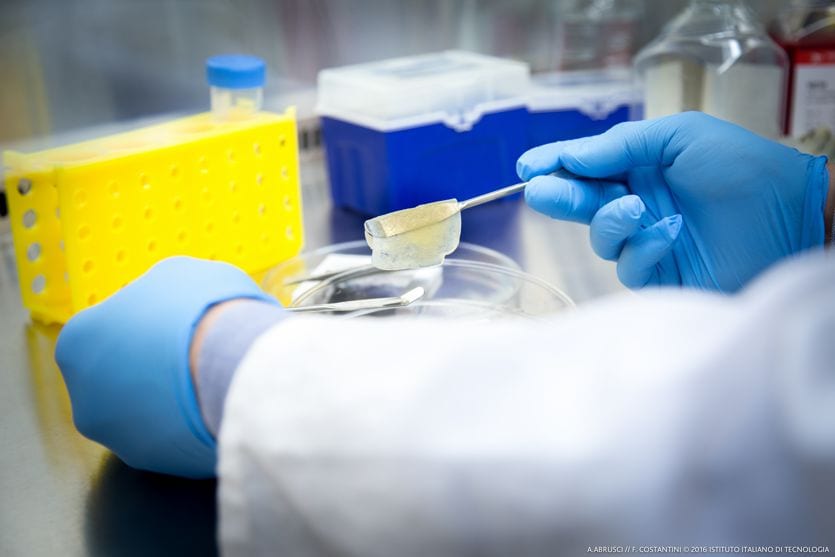
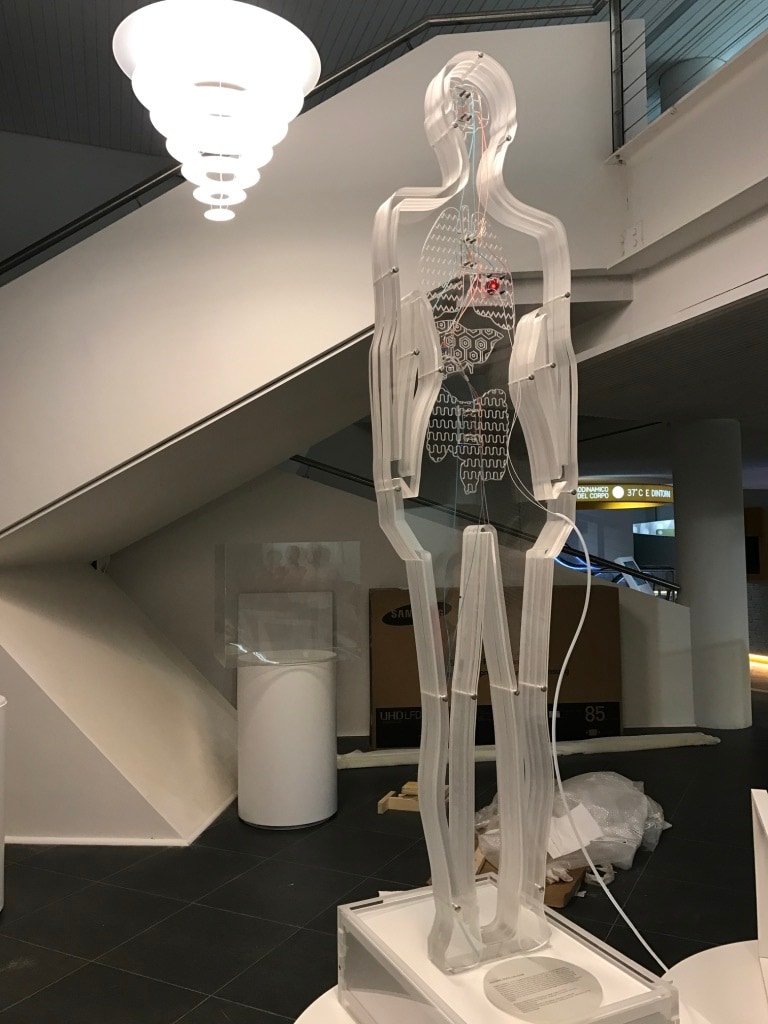
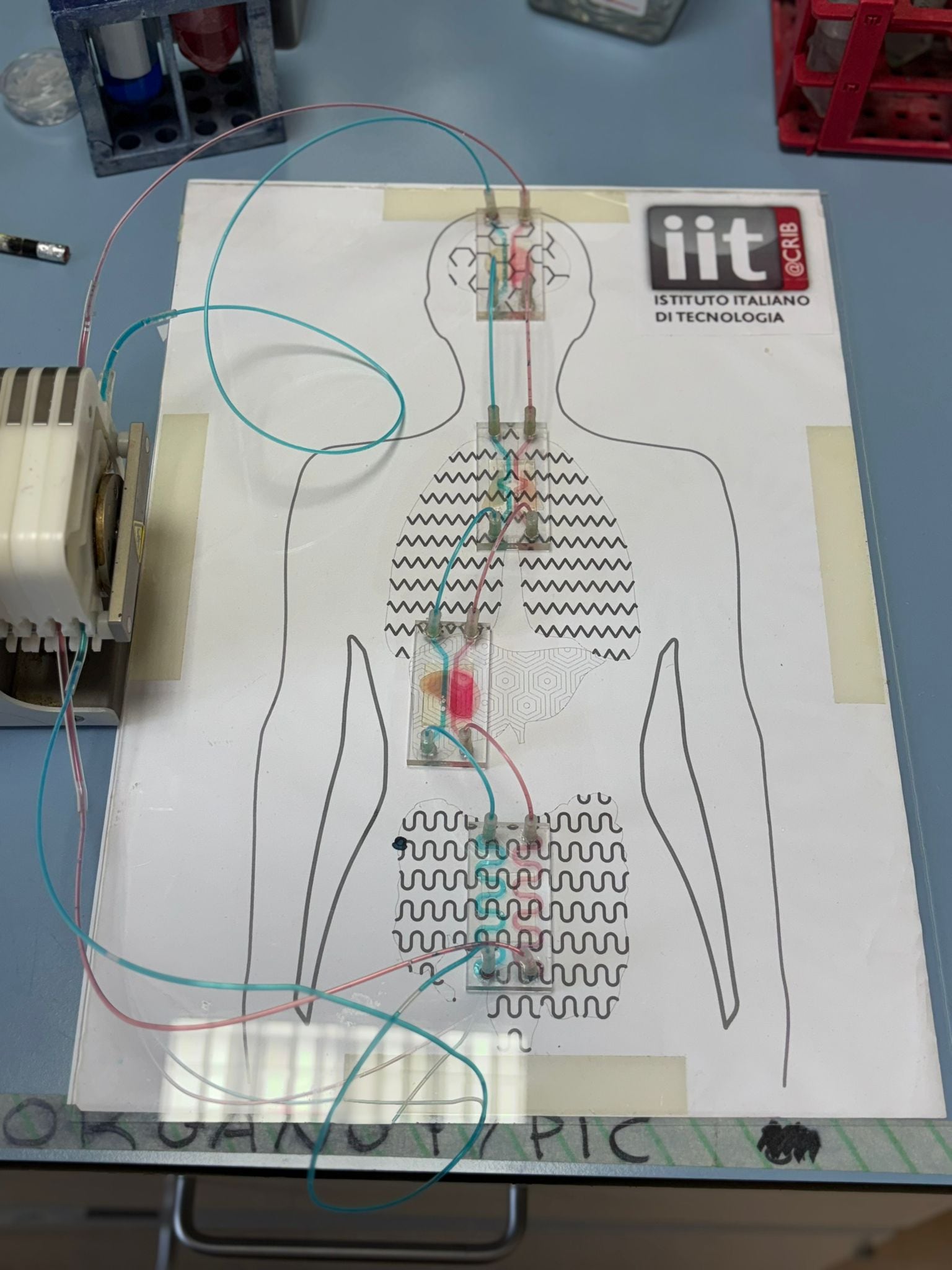
A new frontier in protocols for the treatment of cancer, particularly breast cancer, has been reached by the Centre for Advanced Biomaterials for Health Care (CABHC) at the Istituto Italiano di Tecnologia (IIT) in Naples, one of Europe's most advanced bioengineering and biotechnology companies. The innovation is based on the use of 'organ-on-chip', microfluidic devices that simulate the functioning of human organs. These models, made from human cells and assembled using 3D printing and microfluidic technologies, make it possible to reproduce tissues such as skin, lungs, intestines, brain and liver, thus offering a revolutionary platform for the study of diseases, drug testing and the development of personalised therapies.
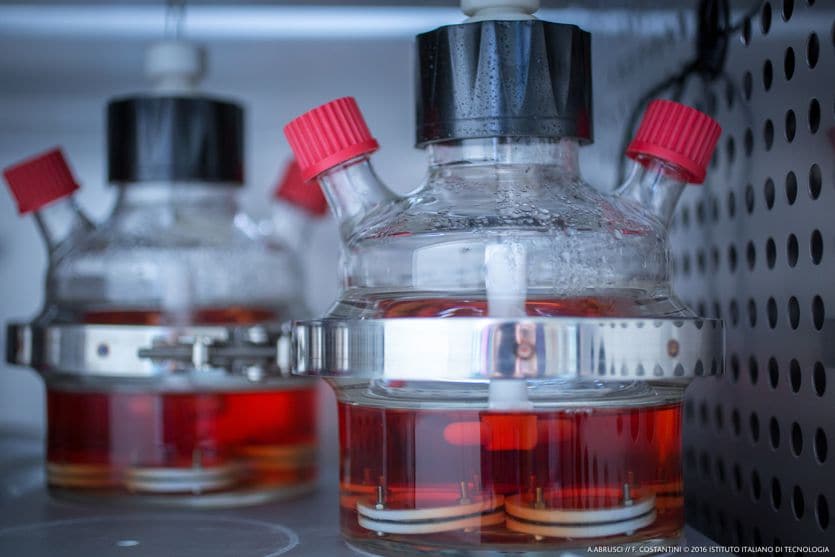
The Neapolitan centre of the Italian Institute of Technology (with a campus in Genoa and 12 other locations in Italy) has opened the doors of its laboratories to explain and recount its achievements and future developments. The initiative is part of the programme promoted by the Neapolis 2500 National Committee, chaired by Prefect Michele di Bari, who wanted to include the CABHC among the emblematic stages of the journey to celebrate the city's 2,500th anniversary, emphasising the strategic role of Naples as a driver of innovation for Southern Italy and the entire country: the meeting is part of the itinerary that the Neapolis 2500 National Committee has proposed to celebrate the anniversary of the birth of Naples, wanting to present a city that not only preserves a millenary history, but that today affirms itself as a place of production of knowledge, technology and vision.
"Excellence such as the IIT's Centre for Advanced Biomaterials for Health Care makes it possible to attract talent and make a concrete contribution to major global challenges. It is in contexts like this that the future is built, through dialogue between institutions, science and the territory,' he explains.
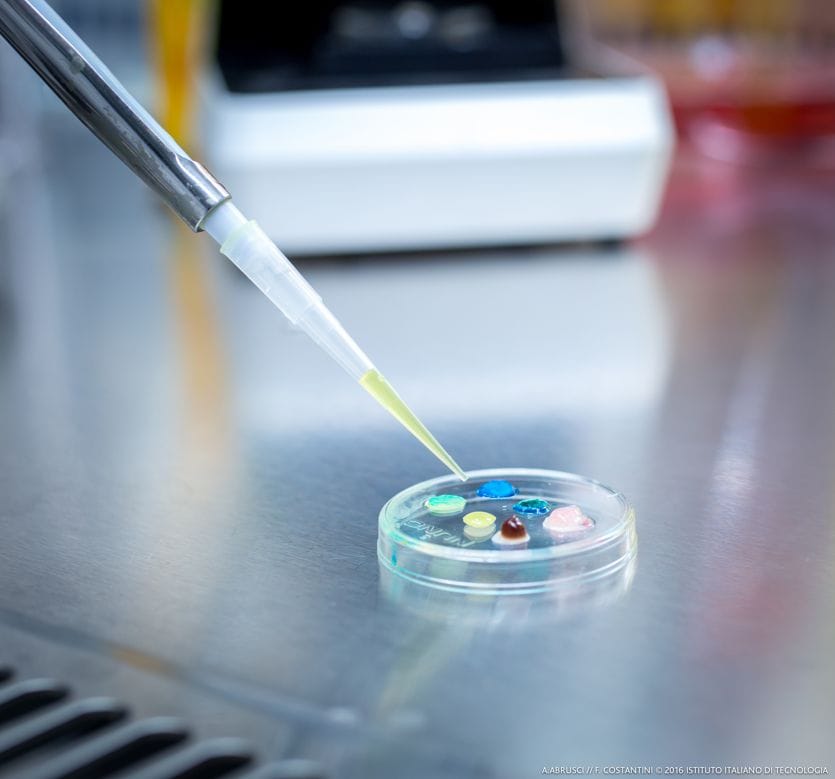
As an alternative to animal experiments, the use of fluidic chips in which organs are reproduced using samples taken from the human body is widespread. This makes it possible to monitor reactions to the drug. The Neapolitan centre is doing something more. First of all, it uses human tissue uncontaminated by exogenous materials, a technique that has been the subject of a patent. Moreover, thanks to an intense collaboration with the Pascale institute, it works on individual patients, devising tailor-made protocols. "Today _ says Professor Paolo Netti, head of the institute in Naples _ we are building a new protocol for the treatment of carcinoma through numerous customisations. Over the next five years we aim to build a library of chip organs in order to monitor the impact of the treatment adopted, not only on the organ affected by the tumour, but on the whole body'.
In fact, the CABHC is working on the integration of these physical models with computational systems and artificial intelligence algorithms to build the digital twin of patients: virtual replicas capable of simulating disease evolution and individual response to treatments. Such integration represents an epoch-making breakthrough in personalised medicine. 'These studies of ours _ adds Netti _ will also change the drug validation process, which today takes about 15 years and in the future could take half that time'.