

L’addio di Cingolani: «Nato difficile da smantellare, ma l’Europa si rafforzi»
di Celestina Dominelli

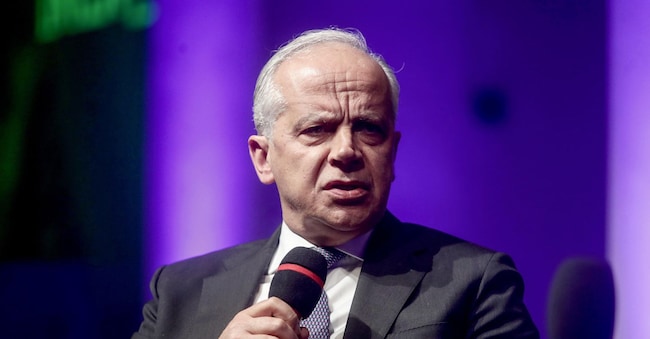
Twenty-eight thousand targets. Embassies, consulates, synagogues, mosques, cultural centres. A capillary map that covers the entire national territory and that has been pulsating under a higher level of alert since last Saturday. Italia woke up in a Middle East in flames - the rain of fire unleashed by the United States and Israel on Tehran - and reacted as one reacts when geography is no longer enough to protect: by armouring everything that could become a target.
Interior Minister Matteo Piantedosi did not wait for specific signals. There is no circumstantial alarm, there is no name on the table. There is something more insidious: the risk that the conflict will awaken sleeper cells of fundamentalist matrix, those invisible nuclei that remain silent for years and then, when faced with a geopolitical trigger, become active. This is the scenario that the Casa - the Counter-Terrorism Strategic Analysis Committee - put on paper at its last meeting, calling for a qualitative leap in the response.
And the jump was there. Immediate.
The Casa brought together around the same table all the pillars of Italian security: Carabinieri, Guardia di finanza, State Police. And next to them the entire Information System for the Security of the Republic - Dis, Aisi, Aise - in a complete radiography of the territorial protection device. The result: immediate reinforcement of the vigilance over every target traceable to Iran, Israel and US interests.
Rome, Milan and Naples are the top priority cities. In the capital, the Jewish Ghetto and the embassy areas are under constant guard. But control has been intensified everywhere, without exception. The logic is surgical: no glimmer, not even where the threat appears remote. The very presence of the police - visible, constant, capillary - works as a deterrent.

