Natural and sustainable shopping in Copenhagen, following the green route
A boutique showroom where you can discover Sixties icons such as Carlo Scarpa’s chandeliers alongside contemporary works crafted from eco-friendly materials.

In Danish, ‘Grønnegade’ means ‘Green Street’. “That was the name of the street where I opened my first shop-gallery in Copenhagen.” This is how Michala Jessen describes the origins of Rue Verte. “And even when we moved – we’re now on the corner of Ny Østergade – we liked that name and decided to keep it.”
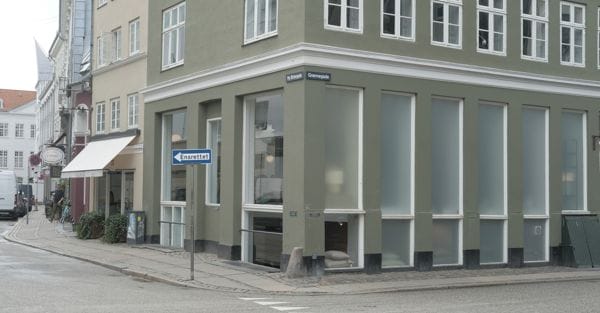
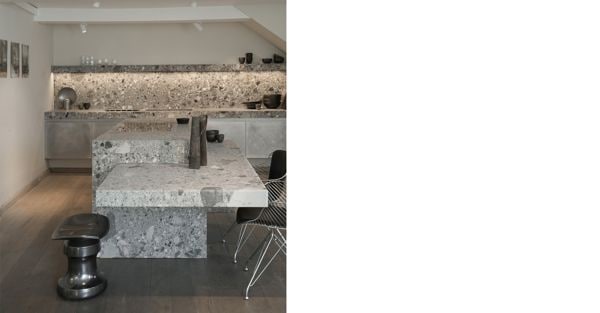
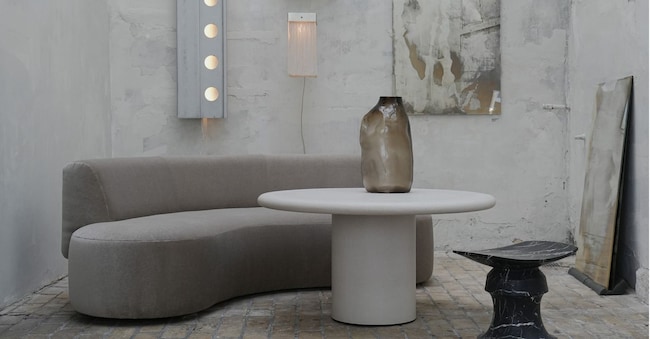
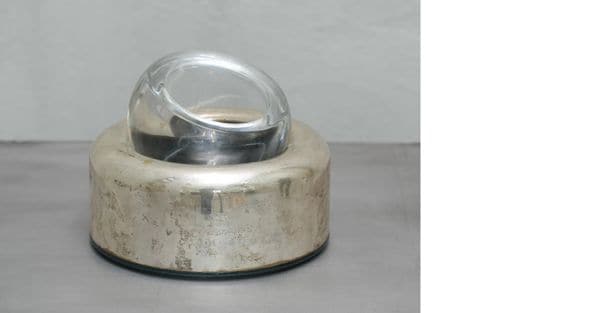
It is a space that is a shop, but also a gallery and an interior design studio, and is situated in the heart of a city increasingly focused on design – and not just Nordic design. “We opened in 1994, when the term concept store didn’t even exist here. Back then, Copenhagen was different; it hadn’t yet acquired the allure of a cultural destination that it has today,” explains Jessen, who goes on to describe the atmosphere of the place. “I wanted to introduce a new concept into an 18th-century building: a world where fashion, design, art and social life could coexist. As well as the shop, we’ve also been running an interior design studio for some time now, working on private homes, bars, bistros and offices. This space therefore also serves as a showroom for our projects; a place where clients can experience the materials, the atmosphere and the layouts in real life, rather than just through drawings’. Meanwhile, we admire some exquisite vintage pieces, including a marvellous glass chandelier by Carlo Scarpa from the 1960s. “Exactly, we have more than one (ranging from 3,000 to 10,000 euros). They’re extraordinary because they combine architectural rigour with the sensuality of the materials. The structure is precise, almost disciplined, but the Murano glass conveys softness and light. Scarpa understood how light behaves within a space: not just illumination, but atmosphere too. At the moment, we’re particularly drawn to Italian vintage pieces from that era. For example, Joe Colombo’s bowl-shaped ashtrays, produced by Arnolfo di Cambio (around 1,000 euros). There is a certain charm to that period, which contrasts beautifully with the more understated and tactile contemporary pieces we display.” The same mood emanates from the set of four Zig Zag chairs, inspired by Gerrit Rietveld’s iconic Sixties design. They are made of transparent plexiglass in a soft shade of yellow (from 3,500 euros).
Alongside these, more contemporary choices are on display: ‘We are showcasing the work of Danish designer Bonnie Hvillum, founder of Natural Material Studio (from 700 euros). Her work focuses on transforming natural and waste resources into biomaterials, bespoke objects and spatial elements that combine functionality, art and circular thinking. What appeals to me is not just sustainability, but the intrinsic poetry of the materials themselves: their tactility, subtle irregularities and their strength.”
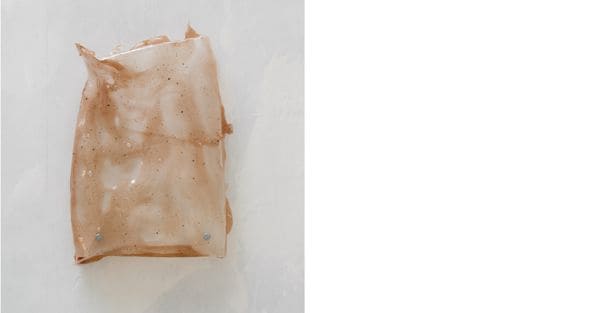
And yet, her favourite possession isn’t a piece of furniture, but a work of art. ‘In 2023, at a fair in Copenhagen, I discovered a piece by Evelyn Bencicova, a Slovak visual artist, and I wanted it straight away. I bought it for my private collection, but it’s on display in the shop so we can admire it every day. It’s part of the series Artificial Tears and has a subtle yet powerful presence. There’s something fragile and controlled about her images that particularly strikes me. Some time later, a larger edition was sold by Phillips auction house, attracting considerable interest – which only confirmed what we’d sensed from the very beginning. ‘But for me, its value has never been financial: it’s an emotional presence within the space,’ concludes Michala Jessen, before recommending one of her favourite spots in Copenhagen: ‘Right next to the shop, there’s a small Italian bistro with a lovely atmosphere: paintings on the walls and food that rivals that of many Italian restaurants. It’s called Locale 21 and it’s where I go to relax. Simple, good and always welcoming.’