
Navee at IFA 2026 is focusing on ‘green’ mobility: here are the Fold P10 scooter and the new Exo S Pro exoskeleton
Micromobility and wearable robotics: Navee’s evolution, from folding scooters to exoskeletons

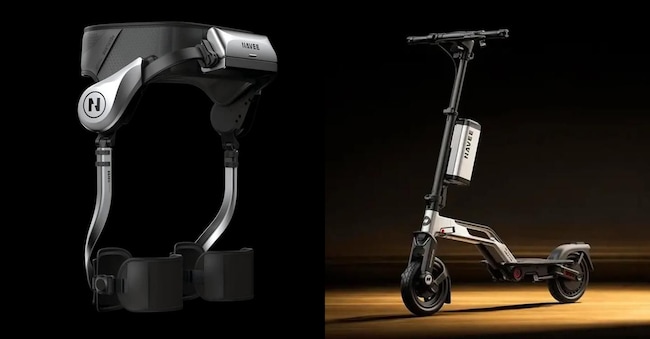
The exhibition halls at IFA 2026 in Berlin are showcasing Navee’s expansion strategy. The brand, which specialises in micromobility, has chosen the German event to unveil solutions geared towards both urban transport and wearable robotics. At the heart of the presentation are the new Fold P10 scooter and the development roadmap for exoskeletons designed to assist human movement.
The Navee Fold P10 features a triple-fold structural system designed to reduce its overall volume by over 80 per cent. This technical solution meets the needs of urban commuters, allowing the vehicle to be stowed in the boot of a small car, under workstations or in confined domestic spaces. Ease of use is further enhanced by a removable and interchangeable battery system, which allows the power unit to be recharged separately without having to carry the entire frame to a power socket.
Despite its design prioritising maximum portability, the nuvo Fold P10’s technical specifications place it on a par with the premium models on the market. The electric motor is capable of delivering a rated power output of 500 watts with a maximum peak of 1,350 watts, enabling it to tackle even the steepest inclines. The claimed range is up to 70 kilometres, whilst the suspension system, featuring front and rear suspension arms, absorbs road surface irregularities to enhance riding comfort.
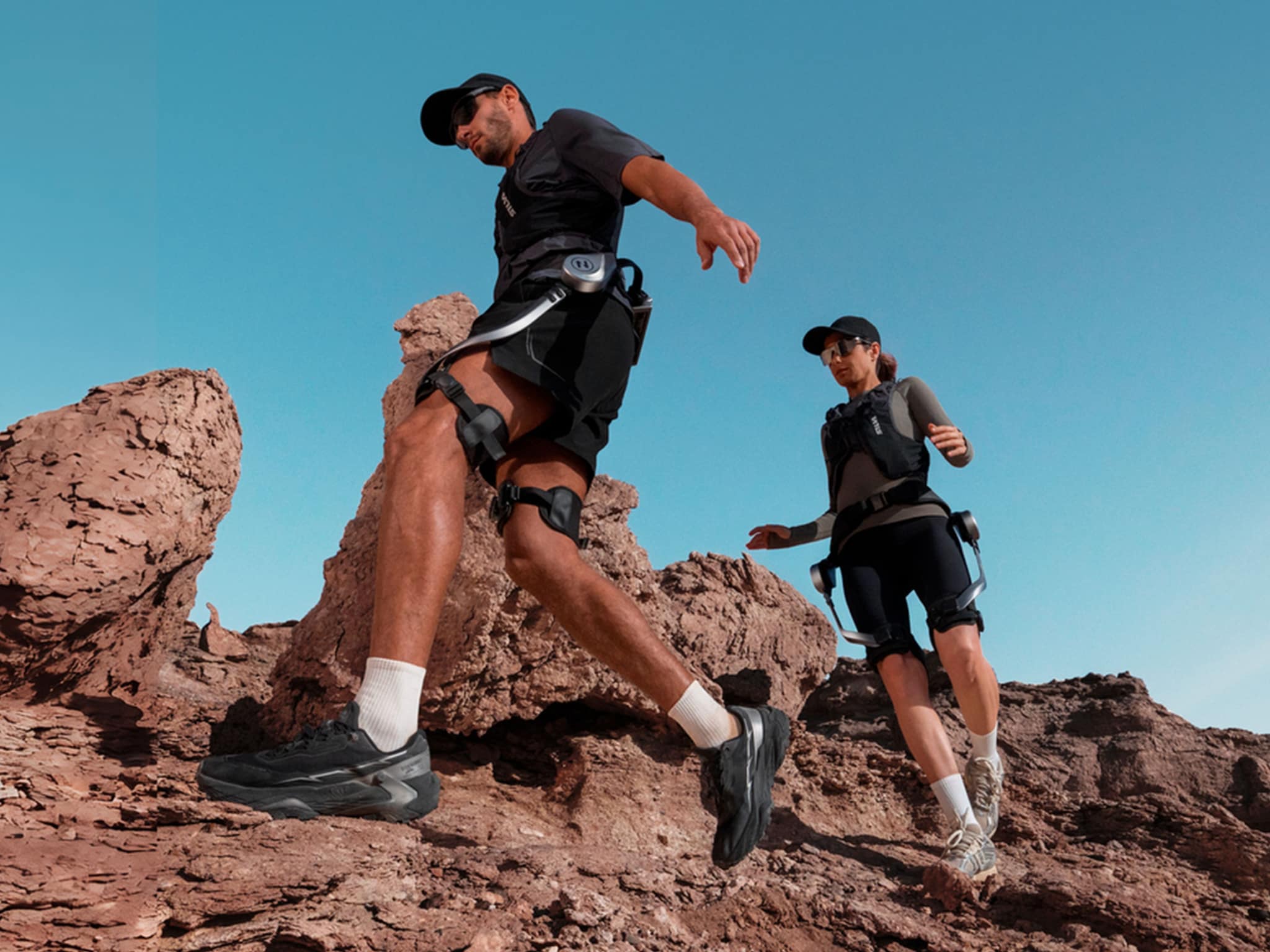
Alongside wheeled mobility, the brand is officially entering the wearable robotics sector with the Exo S Pro exoskeleton. Weighing 1.8 kilograms and with a peak power output of 960 watts, the device features ten motion recognition modes with response times in the order of milliseconds, providing assistance for up to 40,000 steps. The new exoskeleton is already available at a price of 1,100 euros. This product heralds a future range of devices that Navee has in store to support the lower back, the back and the upper limbs in various operational contexts.

