
Nepal: PM resigned, Parliament in flames. Former PM Khanal's wife dead after his house was stormed
Withdrawing the anti-social media law was not enough to save the government. Chaos in Kathmandu. Airport closed

3' min read
3' min read
From our correspondent
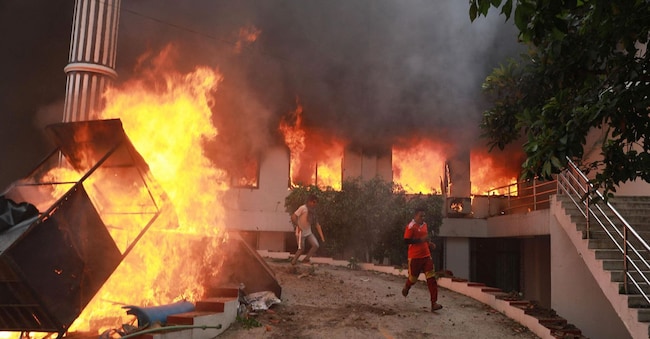
NEW DELHI - 24 hours after police violence cost the lives of 19 protesters, four-time Nepalese Prime Minister Khadga Prasad Sharma Oli resigned, leaving the capital Kathmandu in chaos. Despite the curfew, hundreds of protesters returned to the streets on Tuesday and stormed Parliament, setting it on fire. The office of the resigning premier was ransacked; other fires damaged party offices and private residences of politicians. Kathmandu's international airport was closed, isolating the country. According to local media, there were at least three more victims among the demonstrators on Tuesday. Some political leaders were beaten up. Late Tuesday evening, the army announced that it was assuming responsibility for public order..
Rajyalaxmi Chitrakar, wife of the former premier of Nepal Jhalanath Khanal suffered severe burns in the fire at her home in the Dallu district of Kathmandu. The woman was taken to hospital in a critical condition and - according to Khabarhub, a local website - died after a few hours. Her husband, an exponent of the Communist Party of Nepal (Unified Marxist Leninist), resigned from office in 2011, but is considered by the protagonists of the protest of the last few hours to be an exponent of the old guard still in power in the country who must step aside.
PM Oli's resignation came just hours after it was announced that a controversial law to ban social networks unwilling to accept government control had been withdrawn. A move that came too late to save the executive. It was precisely this law - coupled with accusations of corruption and nepotism levelled at the political class - that had triggered protests that were bloodily repressed on Monday by the police. Transparency International ranks Nepal 107th out of 180 countries in its Corruption Perception Index and, according to the World Bank, over 20% of the country's 30 million inhabitants live in poverty. Youth unemployment (15-24 years) stands at 22 per cent.
The blocking of Facebook, X and YouTube triggered the anger of a not insignificant part of the population, including many young people. 'Stop corruption, not social media,' protesters shouted on Monday, waving Nepali flags. The bill to ensure that social media became 'accountable, responsible and properly managed' was described by human rights organisations as an attempt to restrict freedom of expression. Among the platforms that registered and continued to operate was TikTok, an app that had been outlawed in 2023 on charges of disseminating 'indecent materials' and undermining 'social harmony and good coexistence'.


