
Nepal, UNICEF: 18 schools have been completely destroyed and a further 20 have suffered serious damage
It is estimated that 10,000 school-age children now need urgent support to continue their education, including access to temporary learning centres, alternative learning materials and psychosocial support for both children and teachers

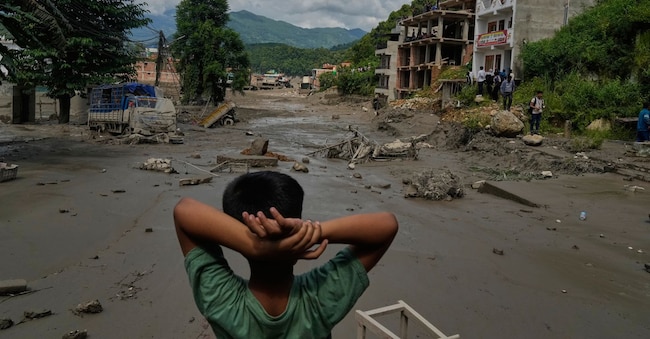
At least 17,000 children have been affected by the devastating floods that struck the Nepalese districts of Rasuwa, Nuwakot and Dhading on 26 August. This is according to a statement from UNICEF. So far, according to reports, an estimated 332 people – including at least 14 children – have died, and hundreds are still missing. These figures are expected to rise as search operations continue. “The children of Rasuwa and Dhading have seen their lives literally swept away before their very eyes in a very short space of time, with homes, schools and health facilities damaged. Too many have lost their lives and their loved ones,” said Alice Akunga, UNICEF’s representative in Nepal.
UNICEF’s appeal: a very serious situation
''With the death toll still rising, we know that this tragedy is far from over. Children who have survived the floods now face ever-increasing risks of disease, malnutrition, violence and exploitation. UNICEF is on the ground and is stepping up its support, but we urgently need more resources to reach every child in need,” he added. Flash floods have swept away or cut off entire communities, causing severe damage to roads, bridges, hydroelectric plants, water supply networks and telecommunications infrastructure, rendering the affected areas largely inaccessible and hampering the distribution of essential aid. At least four healthcare facilities have suffered severe damage, preventing children and families from accessing healthcare just when they need it most.
Destroyed schools
Furthermore, 18 schools have been completely destroyed and a further 20 have been damaged, depriving children of safe spaces in which to learn, play and recover. Dozens of schools are located near riverbanks in the affected areas and remain at risk. It is estimated that 10,000 school-age children now need urgent support to continue their education, including access to temporary learning centres, replacement learning materials and psychosocial support for both children and teachers.

Brand connect


Newsletter Scuola+
La newsletter premium dedicata al mondo della scuola con approfondimenti normativi, analisi e guide operative
Abbonati