
New balances between AI, skills and education systems
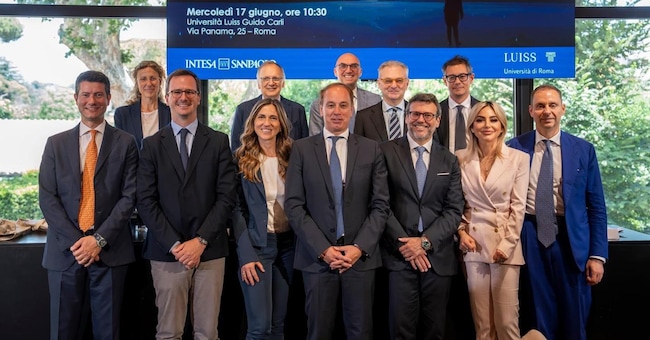
A study by the Look4ward Observatory was presented at Luiss University by Intesa Sanpaolo and the ‘Franco Fontana’ Research Centre for Strategic Change at the Guido Carli University.

Key points
Understanding how artificial intelligence is transforming the way we learn, work and develop skills is the aim of “EDUNext – New Scenarios for Education and Skills in the Age of AI’, the new study by the Look4ward Observatory presented at Luiss University by Intesa Sanpaolo and the ‘Franco Fontana’ Research Centre for Strategic Change at the Guido Carli University.
The third report
The third report by Look4ward, the permanent observatory on the evolution of skills, sponsored by Intesa Sanpaolo in collaboration with Luiss Guido Carli University, highlights how the growing use of artificial intelligence is opening up new opportunities for the evolution of skills and training models. Against this backdrop, there is a growing need to support the integration of technology, human capital and education systems ever more effectively, whilst fostering the ability to use AI critically, selectively and consciously in learning and work processes.
Driving cultural and managerial change
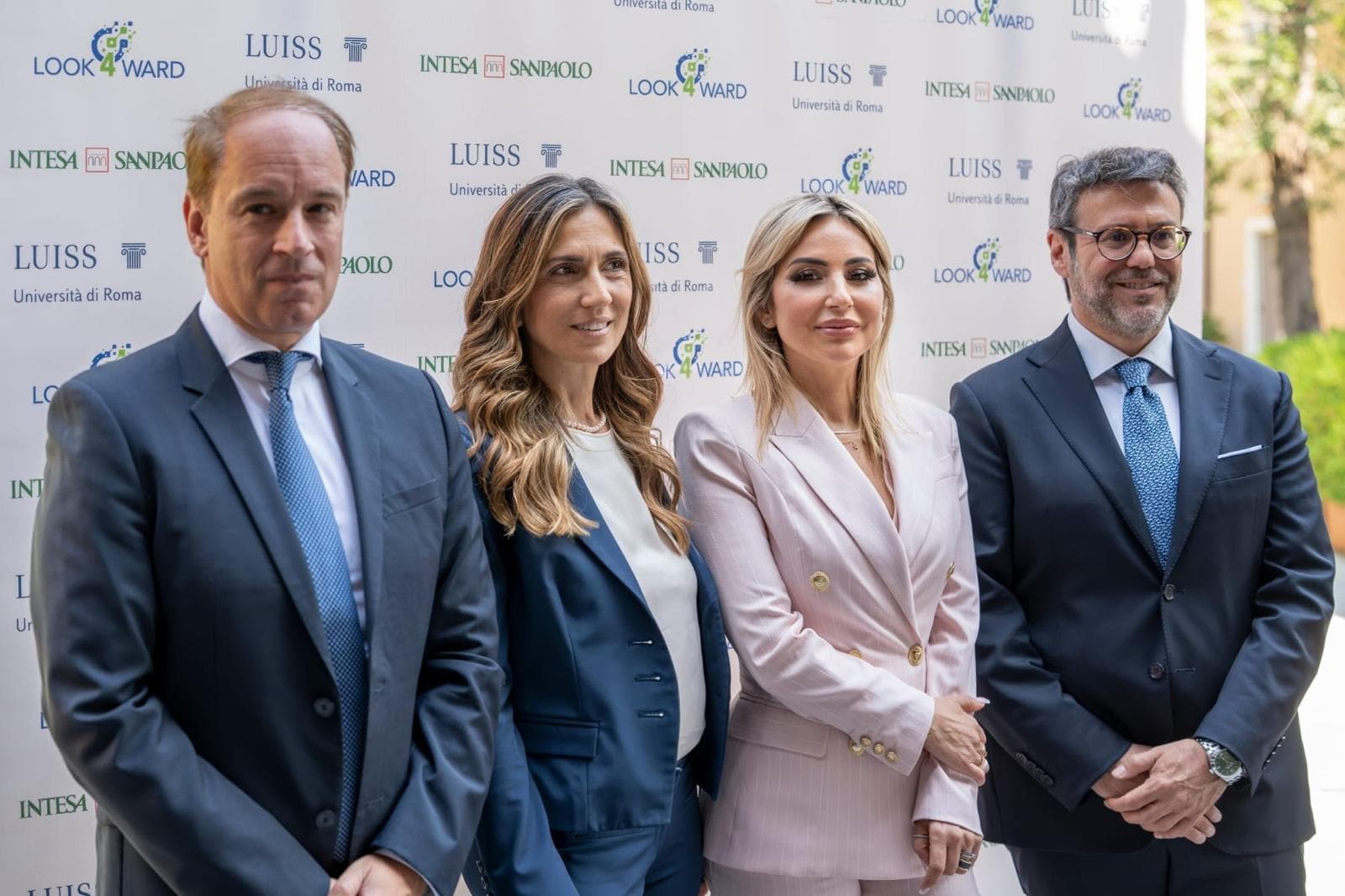
“In the face of the rapid advancement of AI, the education sector has a responsibility to drive the cultural and managerial change that is essential for boosting labour productivity and preparing professionals to manage this transition,” emphasised Paolo Boccardelli, Rector of Luiss. “ “Through Look4ward, we are committed to enhancing the skills of our workforce, helping to transform the many areas of excellence within our education system into added value for industry.” “The path charted by our Observatory in collaboration with Intesa Sanpaolo,” continued Enzo Peruffo, director of the Luiss ‘Franco Fontana’ Research Centre for Strategic Change, “is already a solid, operational reality within Luiss. As a university, we want to be at the forefront of this digital revolution, and we are doing so through an integrated educational ecosystem that regards artificial intelligence as an enabler of human development.”
Anticipating changes in skills and occupations
“Through Look4ward, we help to anticipate changes in skills and professions, involving over 1,500 businesses,” said Elisa Zambito Marsala, Head of Social Development and University Relations at Intesa Sanpaolo. “ “The challenge is not just technological: it is educational and concerns our ability to prepare young people to interact with AI in an informed manner. This is why we are promoting ecosystems between businesses, universities and institutions, to develop concrete responses to the major transformations currently underway and to support our country’s competitiveness.”
The study
The analysis shows that 31% of businesses have already adopted or are trialling artificial intelligence solutions, a figure that represents a significant increase compared with the 19% recorded in 2025. However, this trend in the adoption of the technology is not matched by adequate skills development: 85% of companies using AI have launched or are planning dedicated training programmes, but only 19% have structured and ongoing programmes. 48% limit themselves to occasional or pilot initiatives. Above all, 46% of employees have not received any specific training on AI, and almost half of companies (44%) do not plan to invest in training over the next 12–24 months, highlighting the persistent mismatch between the adoption of innovation and the development of human capital.
Brand connect


Newsletter Scuola+
La newsletter premium dedicata al mondo della scuola con approfondimenti normativi, analisi e guide operative
Abbonati