
New Bmw i3, the new electric car debuts, anticipating what the future 3 Series will look like
The Munich-based company unveils the design and some technical details of the next-generation electric car with 800 Volt architecture. Chinese manufacturers are in the crosshairs
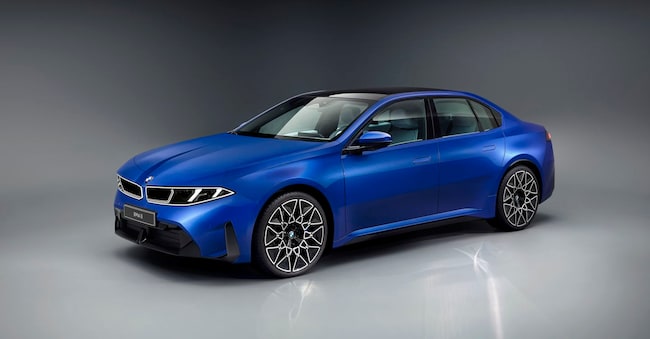
With the new generation, Bmw is for the first time bringing the 3 Series into the Neue Klasse family, the platform on which the German brand is building its future. The Bmw i3 is the 100 per cent electric version of the new 3 Series, a sedan that represents a change from the German company's previous generation of plug-in cars and will dictate whether Bmw will be able to hold its own against the competition of premium cars made in China.
In terms of aesthetics, the new 3 Series interprets the classic BMW saloon with the styling language of the Neue Klasse, expressed in what the manufacturer calls a '2.5-box' design: sports saloon proportions with a long wheelbase, short overhangs and a side line that visually lowers the centre of gravity. The front end reinterprets BMW's classic four-light scheme by integrating the light clusters with driver assistance sensors. The bonnet is sculpted, the grille and headlights merge into a single light signature and the wheel arches are pronounced. The more anonymous tail is characterised by horizontal tail lights that extend towards the centre where the BMW logo is displayed.
The interior is spacious and streamlined. Designed specifically for e-mobility, they feature the new Bmw Panoramic iDrive, which projects content across the entire lower part of the windscreen with customisable, permanently visible information. In the centre, the 18-inch display is angled towards the driver, the two-spoke vertical steering wheel houses two large control blocks, while the passenger can control certain vehicle functions such as music, temperature and navigation directly from their smartphone.
Powertrain and charging: 800-volt architecture and a claimed range of 900 km
At the heart of the i3 is the sixth-generation 800-volt powertrain based on BMW's eDrive technology. In the debut variant, the i3 50 xDrive, it utilises two electric motors, one on the front axle and one on the rear, delivering a total of 469 hp (345 kW) of power and 645 Nm of torque. The sprint from 0 to 100 km/h takes 4.7 seconds. The high-voltage batteries adopt a round cell format and cell-to-pack design that allows high energy densities with a flatter battery pack than previous generations.
The declared autonomy according to the wltp cycle comes to 900 km, a value that, if confirmed in real driving, would give BMW a real advantage over its main competitors. DC fast charging supports power up to 400 kW: in 10 minutes up to 400 km range is recovered, and charging from 10 to 80 per cent takes around 21 minutes. The car also supports bi-directional charging in vehicle-to-load, vehicle-to-home and vehicle-to-grid modes, with the possibility of feeding energy into the home network or powering external devices such as some camping gear.

