
New Circular economy act coming soon
The regulatory framework, expected in early 2028, aims to create more raw materials from recycling and encourage increased demand
by Claudia La Via
 Aggiungi Il Sole 24 Ore
ai preferiti su Google
A stable regulatory framework is crucial for fostering the circular economy in Europe. The European Circular Economy Act, in preparation and expected in early 2028, should - in its intentions - help industry to create more raw materials from recycling and encourage increased demand.
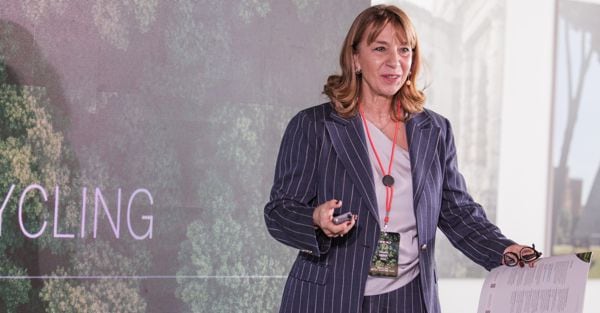
«Come associazione pioniera del settore relativo alla gestione dei rifiuti e dell’economia circolare in Europa, abbiamo esposto le raccomandazioni dell’industria alla Commissione Ue», ha spiegato al convegno Tesya di Roma Claudia Mensi, che in Fead (European waste management association) rappresenta 20 associazioni del settore di diversi Paesi lungo tutta la filiera dell’economia circolare. «Bisogna spingere la domanda dei materiali riciclati e sostenere il mercato delle materie prime secondarie – ha chiarito la presidente - . Per il prossimo Circular economy act, Fead raccomanda di introdurre un obiettivo al 25% entro il 2030 della quota di materiali riciclati sul totale di quelli usati in Europa (ora al 12%, ndr), poi incentivi per chi produce utilizzando materie prime secondarie (spesso più costose di quelle vergini come nel caso della plastica) e l’introduzione dell’obbligo di applicazione del green public procurement (acquisti della Pa che favoriscono le forniture ecologiche)».
Certainly, Italy can win the challenge of the circular economy, but it will need incentives, investment, stable governance, and plants. "We need to create a competitive market for recycled goods," Mensi explained, "by creating a market for them that is stable and consistent with the commitments made at European level, pushing for the traceability of goods also through digital means, and launching simpler and faster procedures that favour waste management with a view to material and energy recovery and the consequent opening of recycling plants, where these are still absent.
We need to make the right calculations, however, in order to assess the various options available from a strategic point of view. "Many plants are needed to treat all waste and transform it into resources; in particular, I see a strong need for the treatment of devices and structures used for the production and accumulation of energy from renewable sources that have reached the end of their life cycle: primarily photovoltaic panels, batteries for electric vehicles and wind turbines," Lucia Rigamonti, associate professor at the Politecnico di Milano, told the conference in Rome. "The energy transition underway is producing and will produce not only electricity with low CO2 emissions but also a large amount of waste. This is why it is always a good idea to make the right life cycle assessment calculations and plan the right measures.

