New Striker: Dacia enters a new market – here’s what you need to know
The Renault Group’s brand is relaunching with a model that aims to appeal to a new target audience – young families – whilst remaining affordable. It will make its debut at the Paris Motor Show in October and will go on sale at prices starting just under 25,000 euros.

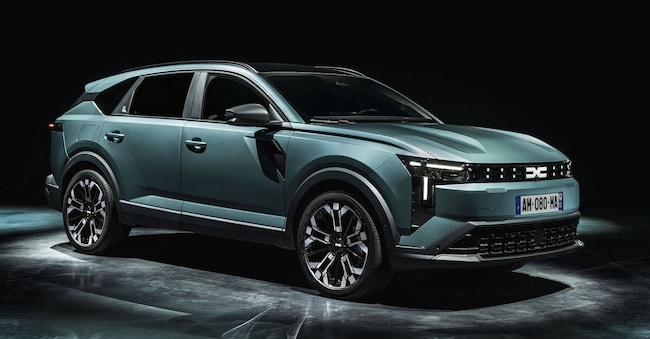
Dacia is making a fresh start with the Striker. The Renault Group brand has placed a modern, fresh style at the heart of this new model – one that breaks away from the Romanian manufacturer’s somewhat cheap-looking image – with the aim of winning over young families by offering the best of three worlds: SUV, estate and hatchback saloon. Whilst the raised driving position and off-road capabilities are borrowed from SUVs, the versatility and practicality are typical of estate cars. Finally, the driving dynamics are those of a saloon. The lines and details are those of a C-segment car, packed with practical features. It will join the Bigster to complete the range in a sector that is among the most popular in Europe and is now facing competition from Chinese brands. The Striker is 4.62 metres long, 1.53 metres high and weighs around 1,400 kg.
Nuova Striker, the new design language for future Dacia models
The slim front grille features the new Dacia logo and is dotted with small silver squares, a design element that is also repeated in the lower air intake, which also accommodates the fog lights. The side profile, on the other hand, is sinuous, with the sloping roofline almost blending seamlessly with the slim rear window. At the rear, we find LED light clusters in the same style as those at the front, connected by a translucent black strip bearing the word ‘Dacia’. The model name is also featured at the bottom of the tailgate.
The new Dacia Striker: a 7- or 10-inch digital instrument cluster
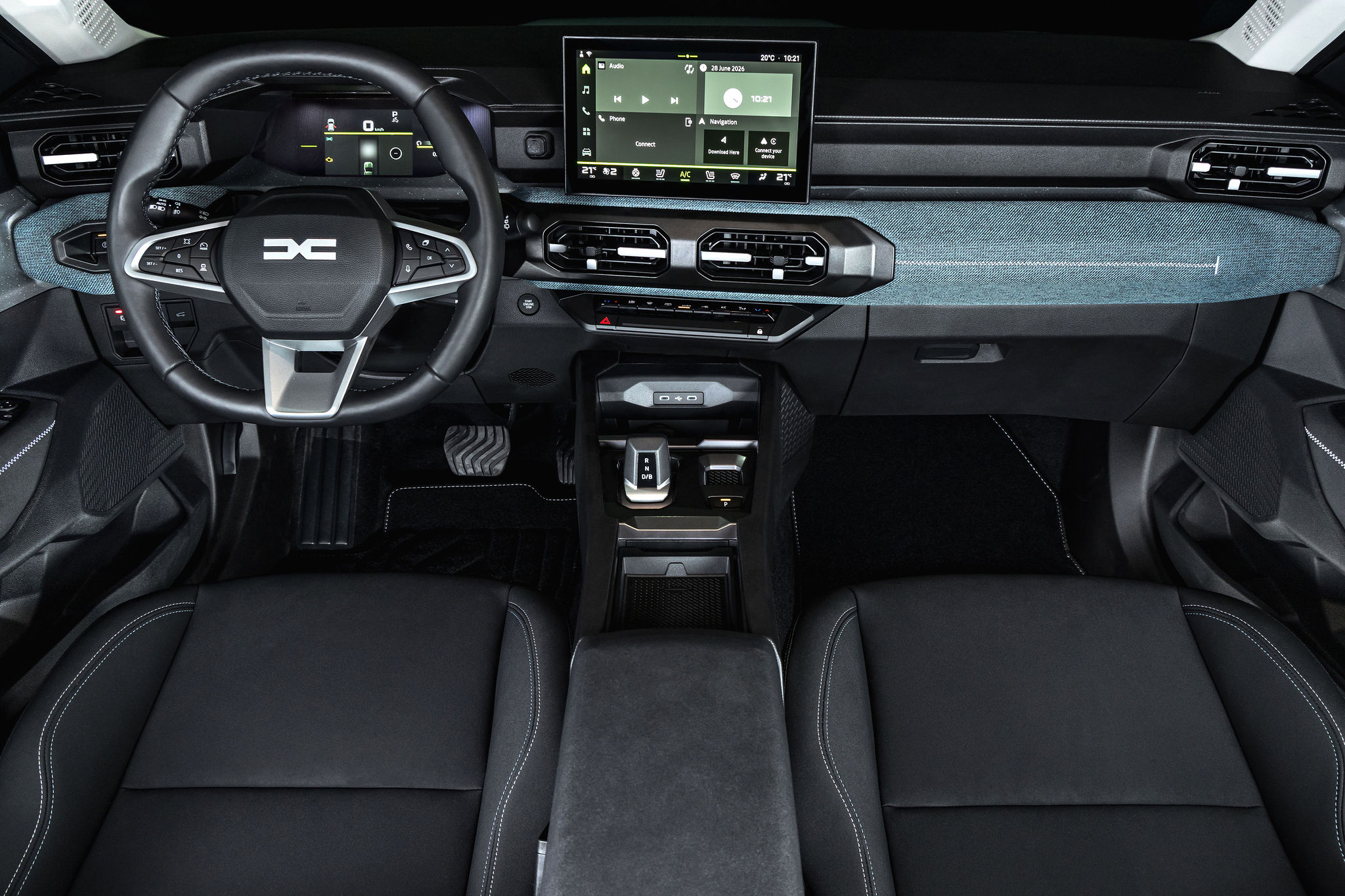
The Striker’s dashboard reflects the same design philosophy as the exterior within the car. It is organised across three levels that follow a layered structure: from the level closest to the user to the more technical and structural one. The cabin features various functions designed to simplify everyday life. A cable duct runs through the glove compartment to minimise the number of visible cables. Following the same logic, an ice scraper is integrated into the dashboard. The centre console features a standard 7-inch digital instrument cluster, with a 10-inch version available as an option. The whole is then complemented by a storage compartment and a cup holder.
The new Dacia Striker: up to 600 litres of boot space and a host of features
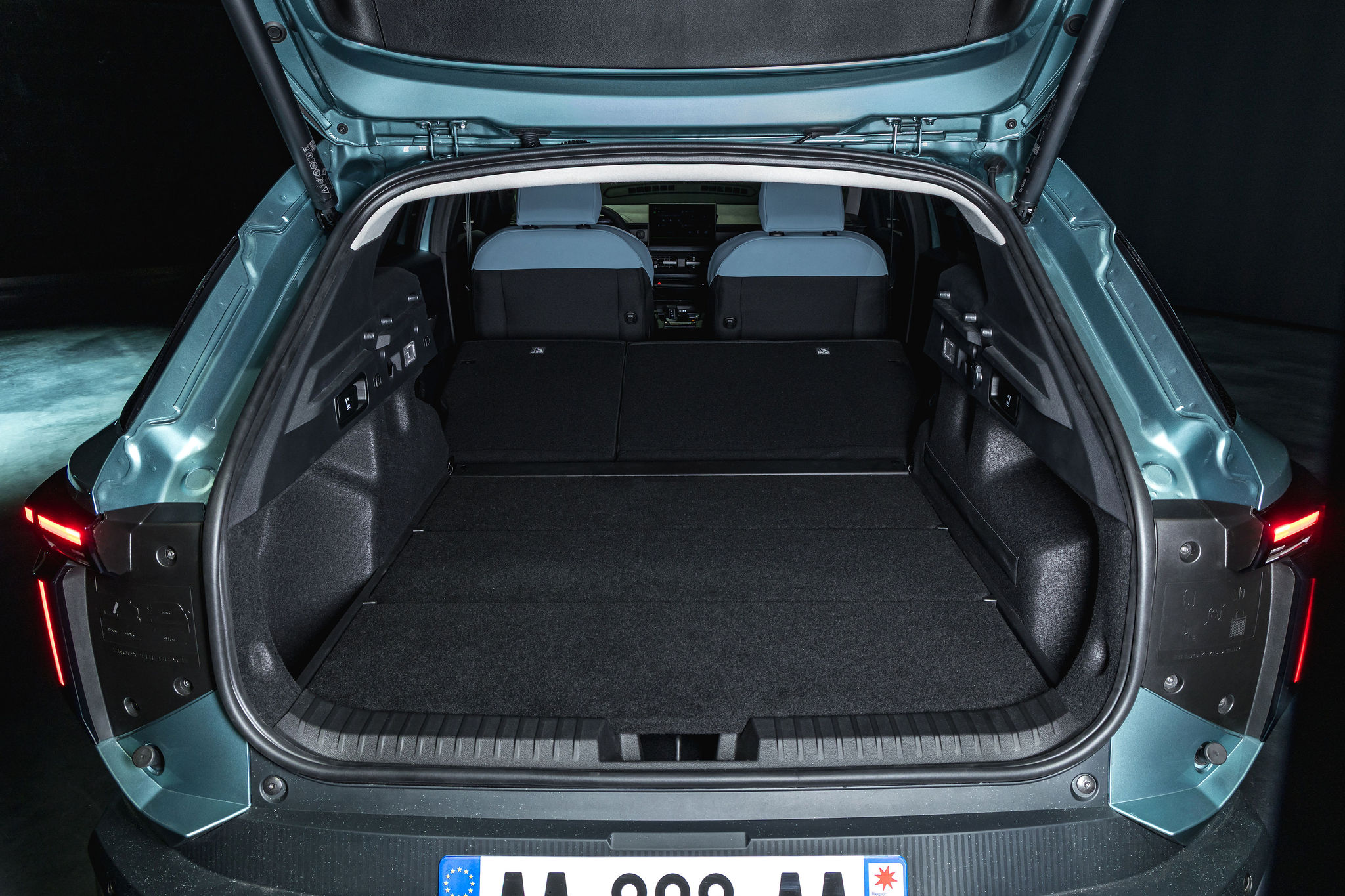
Great attention has been paid to the design of the Striker’s boot. As well as offering a capacity of up to 600 litres, the boot features a range of functions that optimise its practicality for everyday use. The Easy Trunk Opening system allows the tailgate to be opened hands-free. Inside, the rigid boot cover – fitted as standard on all Striker models – splits into two sections to allow easier access to the load compartment. Finally, the Easy Fold system allows the rear seats to be folded down using the two handles on either side of the load compartment. The rear seats can then also be folded down using the tabs.