This weekend’s films

“Minotaur”, a great and deeply political film

The highly anticipated return of Russian director Andrey Zvyagintsev is now in cinemas, nine years after “Loveless”

3' min read

Translated by AI
Versione italiana

3' min read

Translated by AI
Versione italiana

It was undoubtedly one of the most significant pieces of film news of the year: the return behind the camera of Andrey Zvyagintsev, the Russian director who had been absent from the world of cinema since 2017, when he presented the beautiful “Loveless” at the Cannes Film Festival.

During these nine years away, Zvyagintsev spent a great deal of time in hospital, having been admitted with Covid, and embarked on new projects, carried out outside his homeland, though work on them has since been put on hold.

Loading...

“Minotaur”, one of the most eagerly awaited films of the weekend at the cinema, has finally come to fruition, thanks to a co-production involving three countries – France, Latvia and Germany – and the director’s determination to portray the country where he grew up but no longer lives.

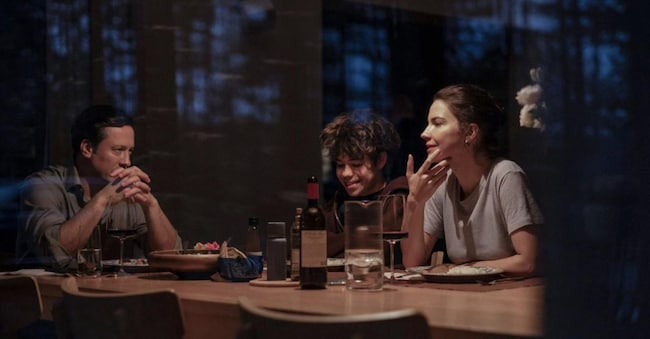
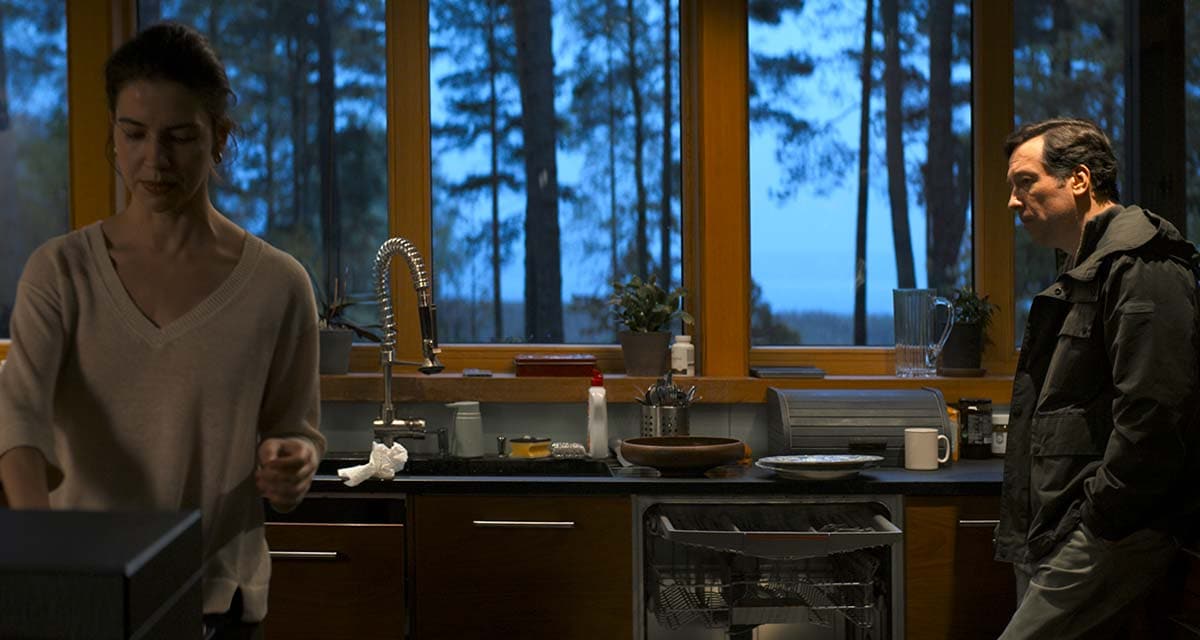
Against the backdrop of the war between Russia and Ukraine – the echoes of which are ever-present throughout the film – a story unfolds centring on a middle-class family comprising a company director, his wife and their teenage son. However, the man begins to suspect that his wife is cheating on him and, as his family problems mount, his company too must face numerous obstacles linked to the political situation in the country.

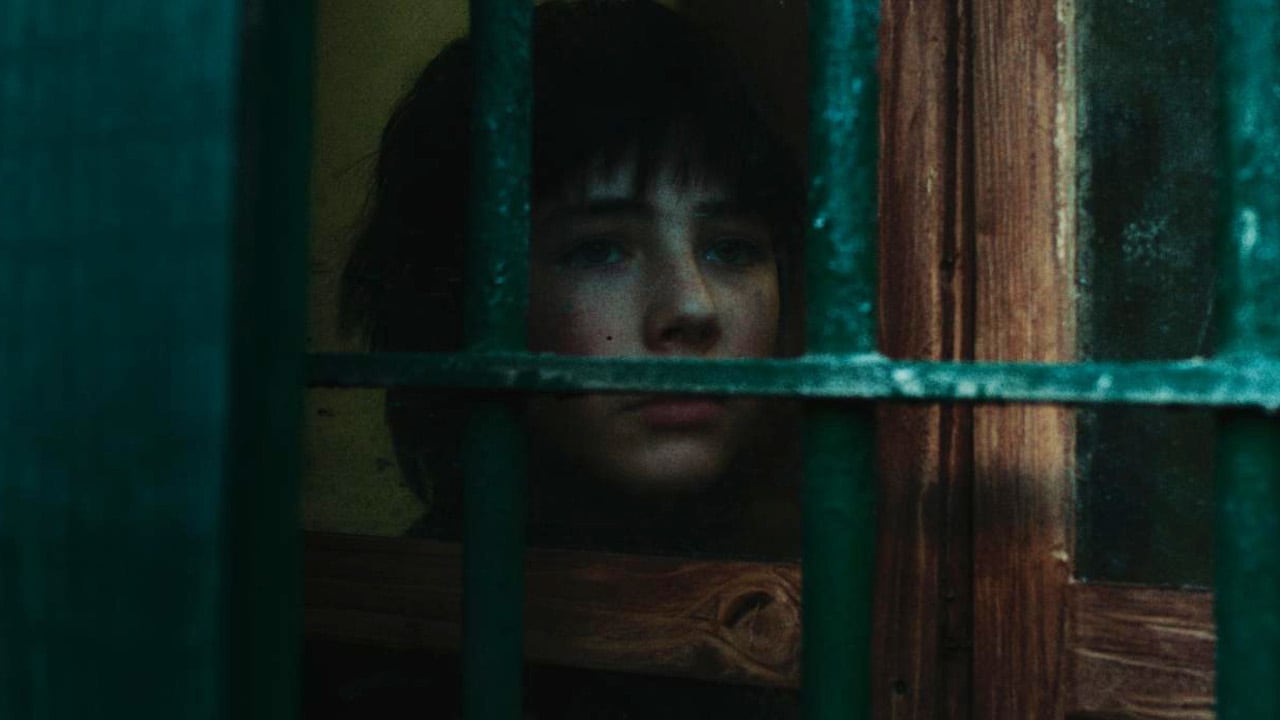
Set in Russia in 2022, “Minotaur” begins as an intimate family drama before depicting a microcosm that eventually becomes a collective metaphor for an outburst of violence that goes unpunished and is accepted by the bureaucracy.
The inspiration comes from Claude Chabrol’s 1969 film *Stéphane, an Unfaithful Wife*, but the film is above all a highly topical reflection on contemporary Russia.

Mythological references

Zvyagintsev has accustomed us to his use of symbolism ever since his remarkable debut *The Return* (Golden Lion at the Venice Film Festival), not to mention the beached skeleton of a whale in 2014’s *Leviathan*: Russia thus becomes the half-man, half-bull monster of the title, but also a labyrinth from which it is impossible to escape, unless one takes to the skies like Icarus – though at the risk of flying too close to the sun (the clouds at the end?).

There are countless allegorical elements in this tale of ‘crime without punishment’, realised with great technical mastery by one of the most elegant and powerful directors in contemporary cinema.

Zvyagintsev’s direction is truly excellent, and the sound design – right from the very first shot – greatly enhances the remarkable cinematography.

In Cannes, where it was screened in the competition section, “Minotaur” won the Special Jury Grand Prix.

Loading...

“Minotaur” e gli altri film della settimana

Photogallery4 foto

Wandering Trees

Another intriguing new release in cinemas is *Alberi erranti* by Salvatore Mereu, a film selected for this year’s Locarno Film Festival competition.

A filmmaker who has long been a regular on the stages of major festivals – from the Venice Film Festival to the Berlin Film Festival – Mereu has adapted Alberto Capitta’s novel *Alberi erranti e naufraghi* to create a truly ambitious film.

The story begins by telling of Piero and his son Giuliano, who live on their own on the outskirts of town, in a cottage crammed with injured animals that they take in and care for: the Nonne, local dignitaries, want to drive them out because they live like vagabonds. During a heavy snowfall, Piero goes missing and the animals are killed. Giuliano sets out in search of his father: on his journey, he meets Maddalena and it is love at first sight.

Perhaps even more so than the characters, however, it is the setting that is the true protagonist of the story: an unusual Sardinia, frozen in time, the perfect backdrop for a film in which fiction and reality intertwine to create an unconventional fairy tale.

“Alberi erranti” is an unconventional film, much like the journey Giuliano undertakes throughout the narrative: rich in fascinating imagery, but also, to some extent, hampered by its excessive running time (180 minutes), which is not entirely justified by the film’s narrative structure. Mereu nevertheless proves himself to be a filmmaker with an extremely personal style and, whilst the messages conveyed could have been more incisive, the film is certainly worth watching and represents something very different from the Italian cinema we are used to.

Brand connect

Loading...

Newsletter

Notizie e approfondimenti sugli avvenimenti politici, economici e finanziari.

Iscriviti