
New fiscal vision and stability of rules to strengthen the market
Roberto Pietrantonio (Unrae): 'Company fleets are forerunners in the use of new technologies, with benefits also for the environment and safety'

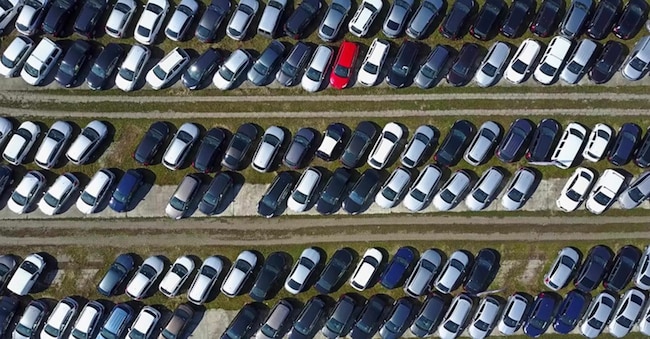
"Fleets are at the forefront of the ecological transition: they frequently renew vehicles, think about TCO (total cost of ownership) and rapidly adopt green technologies. Companies will introduce increasingly ambitious sustainability targets, which will also have a knock-on effect on the increasingly virtuous second-hand vehicles entering the market. In order for them to take the lead in the transition, it is essential to remove residual tax penalties: fleets are and will be the real engine of the ecological transformation'. This, in short, is the judgement of Roberto Pietrantonio, the new president of Unrae (the association representing foreign car manufacturers in our country) on the corporate fleet sector in Italy. A judgement that testifies to just how important the corporate world is becoming for car manufacturers.
Today in Europe the company car segment is worth on average 60 per cent of the entire car market, while in Italy its share is around 45 per cent. "Company fleets play a crucial role in Europe, but in Italy the company car segment weighs much less, a sign of significant unexpressed potential. Companies are traditionally forerunners in the adoption of new technologies, and this gap with Europe negatively affects the safety and emissions of the Italian fleet. Holding back development is above all an obsolete taxation system, which considers the company car a luxury to be taxed instead of a business tool to be supported. Added to this are regulatory instability, bureaucracy and delays in recharging infrastructure. In other EU countries, companies enjoy more modern tax incentives aimed at low emissions. Aligning with these best practices would unlock the potential of fleets, with benefits for the market, environment and safety'.
On the subject of taxation and regulations, Unrae's proposals are clear. "Unrae proposes a thorough revision of corporate taxation, to make it more pro-business and progressively green. It means, for example, linking deductibility and VAT to emissions, updating the spending ceiling that has been stagnant for decades, reducing depreciation times and strengthening fringe benefits for low-impact cars. I know that every request for tax relief is greeted with scepticism by legislators because it implies less revenue in the immediate future. We at Unrae would like to help reverse this perspective with data in hand: more advanced fleet taxation would generate more revenue for the treasury in the medium term, thanks to a more dynamic car market and higher sales volumes. This is why we propose to support the institutions in defining concrete measures, even gradual ones if necessary. The package of proposals we are offering is organic and ready: what is needed is the political will to apply it to guarantee Italian fleets equal opportunities compared to European countries where we observe best practices in this regard".
Greater regulatory stability would also help to plan fleet renewal activities and operations, with the aim of implementing sustainability. "Today, discontinuous incentives and constantly changing rules make it difficult to plan the transition to electric vehicles and the necessary infrastructure. Unrae is working for a stable framework, strengthening synergies with the entire supply chain and calling for ten-year plans for sustainable mobility. We do not need spot interventions but a systemic vision, with lasting incentive measures and taxation in line with European standards. Giving regulatory stability is not a favour to companies, but a multiplier of benefits for the market, the economy and the environment'.
Unrae also has a very clear position on the 2035 deadline. "We have always said that the ecological transition must be managed realistically, keeping environmental objectives and industrial feasibility together. The year 2035 is a challenging target: Bevs are growing, but remain a small share of the market, today we are just over 17 per cent in Europe. This is due to many factors, including costs, insufficient infrastructure and regulatory uncertainties. This is why we believe that a possible postponement should not be taboo, as long as it is decided at European level and accompanied by concrete measures: if it will be necessary to go beyond 2035, it is better to decide on it in good time and with accompanying measures, rather than finding ourselves with a sector in crisis at the last moment. However, the ultimate goal - to decarbonise transport - must remain firm, even if more time is needed. In parallel, it is essential that Europe support the sector with investment, industrial reconversion and training to accompany consumers and manufacturers along the road to transition'.

