
New ministerial regulations on the storage and digital traceability of fentanyl in Italian healthcare facilities
The decree requires fixed safes, CCTV – where necessary – and strict procedures to prevent misuse and ensure safety in the handling of this potent analgesic.

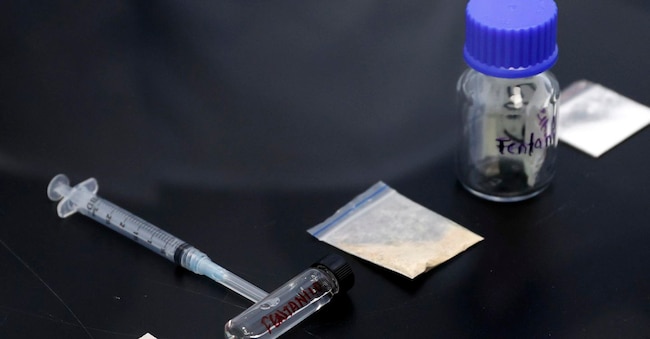
From the obligation to report anomalies promptly to the strengthening of digital traceability for medicines, including storage in dedicated areas with fixed safes and, where necessary, CCTV systems: these are some of the measures introduced by the decree issued by the Minister of Health on the storage and lawful use of fentanyl, as reported in an Palazzo Chigi note dated 10 September 2026.
“The new provisions – as specified – form part of the National Plan for the Prevention of Fentanyl Misuse, in force since March 2024 , and apply to public and private healthcare facilities that hold or use such medicines, including hospital and community pharmacies, hospitals and care homes, local departments and services, public addiction services, prisons, health authority warehouses and authorised veterinary facilities.”
Fentanyl is a painkiller used in medical practice to treat pain, but it is also known as a narcotic substance that carries a very high risk of addiction and overdose.
Within 90 days of the publication of the Ministerial Decree, they must bring their systems and procedures into line.” According to Palazzo Chigi, “it is essential to identify the responsibilities involved in the management of the medicines in question, specifying the parties responsible for procurement, receipt, storage, handling and stock control, as well as for the safekeeping of keys or access credentials to the safes”.
What’s changing in detail
“From now on – as stated in the press release from Palazzo Chigi – the reports of anomalies must be made promptly. Any tampering, unauthorised access, fraudulent entry or recording, or theft must be reported within 12 hours to the designated officers, who are responsible for lodging complaints with the relevant authorities.

