
The Council of Ministers gives the green light to the new security bill; the appointment of Stazi as Consob chairman is approved
Home Secretary Piantedosi: preventive detention extended to minors during the nightlife

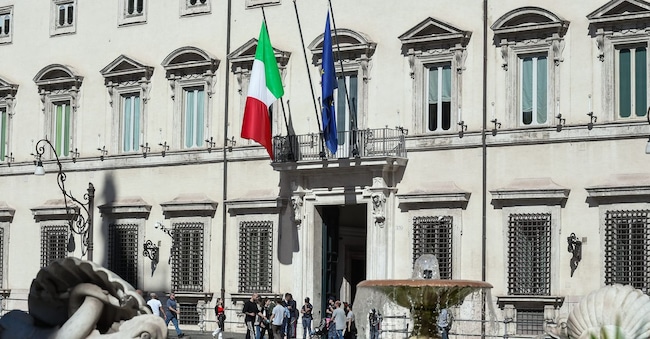
The Council of Ministers has given the go-ahead to the new security bill. During the meeting, the Government also decided to initiate the procedure for the appointment of Guido Stazi, the current Secretary-General of the Antitrust Authority, as Chairman of Consob.
Preliminary suspension of duties also applies to local police
Preventative detention is also an option for local police forces. This was confirmed by the Minister of the Interior, Matteo Piantedosi, at a press conference following the Council of Ministers meeting which approved the new security bill. “The legislation already stipulates that this is a prerogative of public security officers and functional categories, which also include local police officers,” explained Piantedosi. “It is simply a matter of clarifying the functional scope – that is, the circumstances in which preventive detention may be extended, including in the case of minors involved in nightlife activities, but it may apply to any public security officer, whether from the national police force or the local police, provided they are specifically ordered to carry out that type of duty.”
The draft bill, he explained, “is, in a way, a revival of an original text that had already undergone an initial review by the Council of Ministers a few months ago, and had subsequently been subject to inter-ministerial consultations; it is essentially a measure of a regulatory and organisational nature concerning the structure of the police forces. We have made the most of this time to secure the necessary funding to include a number of provisions of a different nature, not merely organisational in scope.”
With regard to ‘preventative detention’, Piantedosi explained that ‘it is also extended to minors in respect of whom, during specific police operations aimed at preventing offences that disrupt public order in places characterised by a substantial influx of people, for example in so-called ‘nightlife’ areas, there may be reasonable grounds to believe that individuals are engaging in conduct that poses a threat to public safety, given the circumstances of time and place, such as the possession of weapons or objects that are in some way indicative of a danger posed by the individual’.”

