
'New top management could put Nestlé back on the path to growth'
"We expect the new management to concentrate activities on high-potential products and sell off underperforming divisions."

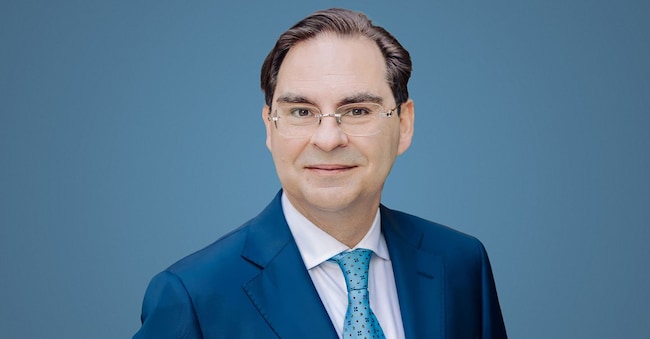
Key points
Daniele Scilingo, head of Swiss equities at Mirabaud Asset Management, outlines the European and US stock market scenario with a focus on the Swiss list.
Although growth has continued since the beginning of the year, do you think that European equity valuations continue to be attractive, both in absolute terms and compared to the US market?
European equities benefited from the interest of international investors driven by valuations and the search for diversification from the increasingly concentrated US market. For the rally to continue, concrete structural reforms are needed to sustain and accelerate growth in the medium and long term, supported by significant investment in infrastructure and innovation. Unfortunately, of Draghi's 380 proposals to create a more competitive Europe, only 10 per cent have been implemented. There is a need to speed things up.
Do you think the ECB will remain on standby at the December meeting as well?
With the current uncertainties, central banks should wait for further developments on inflation developments that consider the full impact of tariffs. An unexpected cut could be caused by negative growth surprises.
Between the European countries, how is the Swiss list doing? How much are US tariffs affecting the performance of companies and the country's growth?
Despite the turbulence in 2025, Swiss equities are fighting on a par with European equities, particularly in the segment of small- and mid-capitalisation companies. For most listed companies, the impact of tariffs is manageable, as many companies have a global production system. For purely Swiss products, such as watches, the consumer will pay the tariffs through higher prices. Many unlisted companies that have concentrated production in Switzerland to export to the world are suffering. Their strategy will have to be reviewed. With regard to GDP growth in the country, some economists estimate a negative impact of between 0.5% and 1%, which seems exaggerated considering the information we receive directly from companies.
And as far as currency is concerned, what do you expect?
More than tariffs, the weak dollar is causing Swiss companies a lot of discomfort. With the greenback down more than 10% since the beginning of the year, a Swiss company that generates on average 30% of its sales in dollars could lose 5-7 percentage points of sales growth and will have to manage significant pressure on margins. Historically, the franc appreciates by about 3% per year, putting pressure on companies to improve products and services and thus defend their market position and margins. Given the current situation, the franc will continue to appreciate, even if the Swiss central bank opts for negative interest rates.


