
US imposes new forced labour tariffs on 80 countries as the 10 per cent global tariffs expire
The tariffs range from 10% to 12.5% against dozens of trading partners, including EU countries, which are subject to a 10% tariff that is, however, expected to remain within the 15% cap set by the bilateral trade agreement. Previous across-the-board tariffs of 10 per cent had been introduced in February and were due to expire at midnight US time on Thursday.

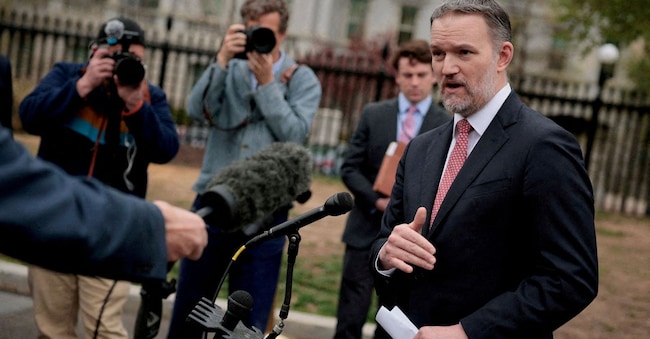
The United States has announced new tariffs against dozens of trading partners (59 countries plus the nations of the European Union), which, from midnight US time on Thursday, will replace expiring global tariffs of 10 per cent. As expected, the tariffs range from 10 per cent to 12.5 per cent and relate to the partners’ inadequate efforts to combat forced labour. They were imposed under Section 301 of the Trade Act of 1974, which allows the US President to take anti-discriminatory retaliatory measures against products not made in the US following investigations conducted by the administration.
Numerous major trading partners, from Canada to the European Union, are now being hit by the new 10 per cent tariffs. This is despite the fact that Canada already has legislation in place to combat forced labour in supply chains and the EU has a new ban in the pipeline, due to come into force in December 2027.
The White House, however, accuses even its closest allies of failing to enforce those bans sufficiently and with sufficient speed. Countries that have adopted legislation against forced labour, according to the White House’s ranking, will face tariffs capped at 10 per cent at most; the others will face tariffs of 12.5 per cent.
For the EU, however, the tariffs could still remain within the 15 per cent cap set by the 2025 bilateral trade agreement. Brussels had indicated that it would accept them, provided that Washington adhered to the overall cap.
The administration has also excluded from the new tariffs goods already subject to national security tariffs, such as steel and aluminium, and a range of other products, starting with certain food and agricultural goods, as well as fertilisers and energy. This may be a sign of a desire to reinvigorate the ‘America First’ approach whilst, at the same time, limiting the practical impact of the tariffs on American consumers struggling with the high cost of living.


