
News: Australia imposes a tax on platforms
A 2.5 per cent levy on advertising revenue for those who do not sign agreements with publishers. In Italia, the Fieg has welcomed the move

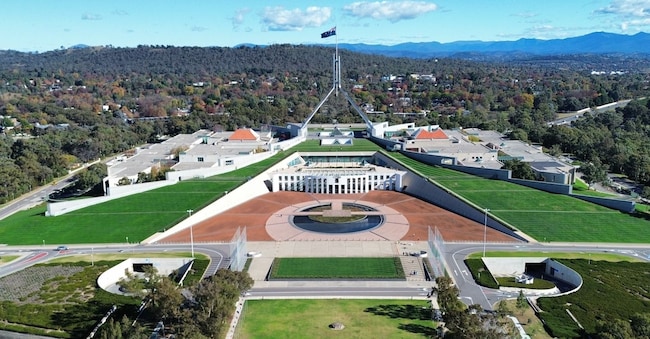
Australia is attempting to settle the outstanding issue between publishers and digital platforms: if the web giants use news to drive traffic, engagement and advertising, that value must be returned, at least in part, to those who produce the content.
The Parliament in Canberra has approved the News Bargaining Incentive, a mechanism that puts pressure on Meta, Google, TikTok and LinkedIn.
The new law provides for a 2.5 per cent levy on advertising revenue generated in Australia by platforms offering ‘significant’ search or social media services and with local revenue in excess of 250 million Australian dollars.
The levy, however, is primarily a negotiating tool: it can be reduced or waived if technology companies enter into commercial agreements with at least eight publishing firms by the end of their reporting period. Agreements with major publishers count towards the discount at 150 per cent of their value, whilst those with small and medium-sized operators count at 200 per cent. However, no single contract may cover more than 25 per cent of the total obligation.
This is the political novelty of the Australian move. The old News Media Bargaining Code of 2021 had generated agreements worth around 200 million Australian dollars a year, but it revealed its weakness when Meta decided not to renew them in 2024: the system could only apply to platforms that hosted news content. That loophole has now been closed. The levy applies even if a platform does not publish a single news article. The sums not covered by the agreements will be channelled into a journalism support programme, with a particular focus on small and regional publications.


