Products

Nintendo Switch 2 arrived to relaunch the console market. Tariffs fears weigh heavily

Today marks the debut of the Big N gaming machine, but it falls at a delicate time of tension and transformation

by Alessandro Longo

3' min read

3' min read

The global launch of the Nintendo Switch 2 is the biggest event for the video game market this year. But it falls at a delicate time, of tensions and transformations: for reasons related to this business, but also geopolitical - read US President Trump's tariffs.

These are promising days, however, for the new Switch.

Loading...

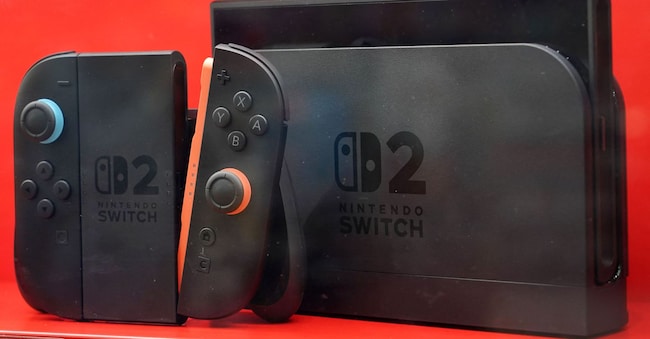
Following the extraordinary success of the first Switch - more than 150 million units sold since 2017 and almost 1.4 billion games distributed - the new model comes with a larger screen, improved graphics, updated controllers and a line-up of exclusive titles aimed at renewing the interest of millions of gamers.

The new console fits into a mature market in search of renewal.

According to analysts, Switch 2 is set to be the gaming industry's main growth engine in the coming years. Its arrival coincides with a stalemate in the lifecycle of rival consoles such as PlayStation and Xbox, which are struggling to innovate their business models and hardware.
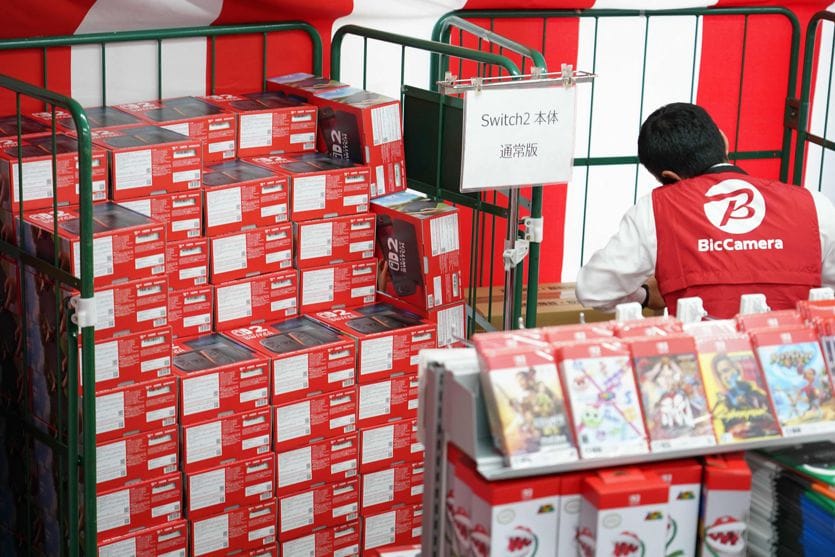
(Photo by Kazuhiro NOGI / AFP)

The launch saw an immediate and global response from consumers. In many cities around the world, shops opened at midnight, with long queues of fans waiting to purchase the new console. Online pre-orders sold out within minutes in key countries such as the UK, France and the US, while in Japan, Nintendo had to ask customers to temper their expectations due to a shortage of units available in shops. CEO Shuntaro Furukawa publicly apologised after the company received more than 2.2 million pre-orders, despite access being limited to users with at least 50 hours of gameplay behind them on the previous console.

Yet the price of the Switch 2 is much higher than the previous generation: $449.99 (€479.99 for us), 50 per cent more.

Demand was undeterred, driven by user loyalty and the perceived value of the Nintendo ecosystem.

Jefferies analyst Atul Goyal expects Nintendo to sell 15 million units, in line with the company's forecast for the fiscal year. Other analysts predicted 20 million units or more. Nintendo's share price has responded to strong demand, rising 32% this year and ignoring the potential impact of the Trump administration's tariffs.

A good debut, in short. But the context remains difficult. Very different from that of 2017. In fact, the video game industry is going through a global downturn. In 2024, more than 14,000 developers lost their jobs, with 41 per cent of the workforce experiencing layoffs or corporate restructuring. According to Newzoo, the global video game market generated $184.3 billion in 2024, a marginal growth of 0.2 per cent compared to the previous year. All thanks to the mobile segment, which accounted for 50 per cent of the market, with revenues of $92.5 billion, up 2.8 per cent year-on-year. In contrast, the console market shrank by 4 per cent, to USD 50.3 billion, while the PC sector declined by 0.2 per cent, to USD 41.5 billion (in Italy, the video game market bucked the trend, growing by 3 per cent in 2024, to EUR 2.4 billion in revenues).

The geopolitical and trade context also complicates this scenario. The Trump tariffs already in 2019 pushed Nintendo to shift production from China to South-East Asia, Vietnam and Cambodia. The tariffs, however, now also affect these two countries. According to analysts, they weigh between EUR 50 and EUR 100 on the cost of the current console.

The company tried to anticipate the tariffs by stockpiling stocks in the US, but their effect in the medium term remains inevitable. Analysts believe that Nintendo will try to hold out as long as possible under the psychological threshold of $500, even at the cost of reducing profits.

Copyright reserved ©
Loading...

Brand connect

Loading...

Newsletter

Notizie e approfondimenti sugli avvenimenti politici, economici e finanziari.

Iscriviti