
Nissan and Chery set to produce Chinese cars at UK plant in Sunderland
The Chinese group, through its international structure, the one that controls the Omoda and Jaecoo brands, and the Japanese manufacturer signed a memorandum of understanding to explore the possibility of exploiting the historic British factory

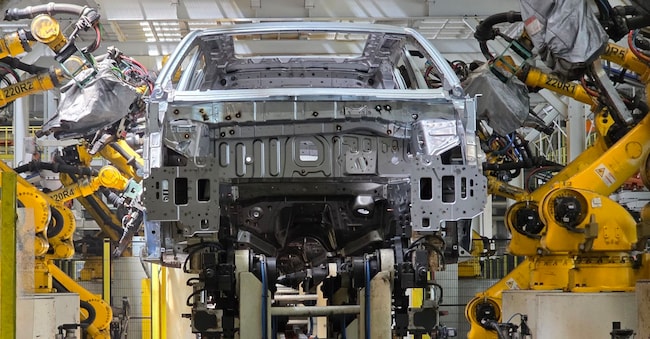
Nissan and Chery International UK have signed a non-binding memorandum of understanding (MoU) to explore a contract manufacturing agreement that would allow Nissan to produce Chery International UK cars at its Sunderland plant.
Under the terms of the MoU, the Sunderland plant would remain wholly owned by Nissan and the plant's staff employed by Nissan. The MoU includes the possibility of Nissan starting production of Chery International UK cars on the plant's number one production line in fiscal year 2027.
In May, Nissan announced that it would consolidate its production operations on production line number two in order to evaluate opportunities to ensure better utilisation of the plant.
Massimiliano Messina, Nissan AMIEO Chairperson, said: "This is an important step forward for our business. We look forward to working with Chery International UK in the coming months to define optimal solutions for both companies."
The memorandum of understanding is non-binding, discussions between the two companies are ongoing and there are no further details to be made public at this stage.

