
No longer just a pantry: Southern agribusiness as a model for development
From a simple place of tradition to a production laboratory where the quality of supply chains is combined with investment in technology
by Nino Amadore
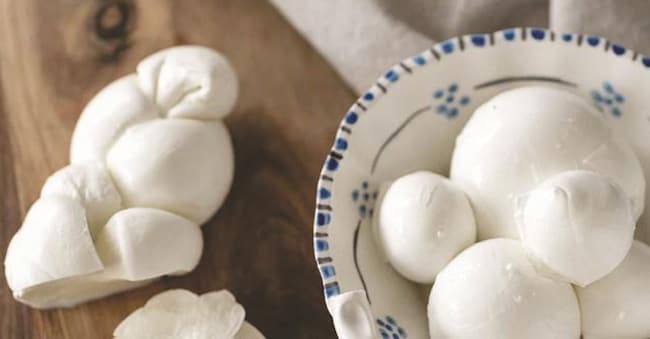
They are production excellences, but also the mirror of a broader change that is taking place in Southern Italy, especially in the agri-food sector. A sector that is an increasing candidate to become one of the drivers of the southern Italian economy and which - as shown by the 2026 Sole 24 Ore-Statista "Stars of the South" classification, dedicated to the southern companies with the fastest growth between 2021 and 2024 and published in these pages - has invested heavily in recent years to modernise, strengthening plants, brands and commercial organisation. For decades, southern agribusiness was mainly described as the place of tradition.
Today, that representation appears incomplete: the data and stories in the ranking in fact show a sector that is no longer just the pantry of Italia or Europe, but increasingly a production laboratory where the quality of supply chains is combined with investments in technology, organisation and human capital. Agri-food is not the most represented sector in the ranking - energy, construction and technological services remain the most present - but fourteen companies in the food and beverage sector, very different realities but united by a strong growth dynamic, appear among the companies that run the most.
Companies in the rankings
Among the companies with the highest volumes is Cantine Ermes, one of the leading wine cooperatives in Southern Italy, which in the three-year period considered will increase its revenues from around 96.6 million euro in 2021 to over 121.5 million in 2024. A dimensional leap that accompanies the strengthening of the group's supply chain and commercial presence.
In the pasta segment, Food Service Srl is growing at a similar pace, taking its turnover from 16.8 million to almost 33.9 million, while in the 10 to 15 million revenue bracket are several food processing and confectionery companies. Target Spa (Target Bakery&Co.) achieves around 13 million euros in revenues, followed by Dolce Bontà-Industria Alimentari Dolciaria, which comes in at 11.8 million, and Dolciaria Ambrosiana, with 11.1 million. Just below is the roasting company Nutis Srl (Caffè Barbaro), which exceeds EUR 10.5 million. In the group of companies of intermediate size is Campo D'Oro, a Sicilian company specialising in the production of canned goods and gastronomic specialities, with revenues of around 9 million euros, while Zenone Iozzino Srl comes in at 7.9 million.
Among the fastest growing companies is Di Pasquale Srl, which operates under the Donnalia brand and in the three-year period increased its turnover from EUR 4.7 million to over EUR 7.2 million. In the confectionery sector, Tiri Srl emerges, a company from Lucania that exceeds EUR 5.3 million in revenues. Among the companies in the ranking are also historic realities of the sector such as Acetificio Andrea Milano, a Neapolitan company founded in 1889 and specialised in the production of vinegars and condiments, which in the three-year period analysed brought revenues in excess of 30 million euros, and Azienda Vinicola Talamonti, a company from Abruzzo active in the wine sector. Among the most dynamic companies is Bufala Dolce Nera Srl, an Apulian company specialising in products made from 100% buffalo milk. In the three-year period under review, the company's turnover rose from 1.57 to over 3.05 million Euro, almost doubling its revenues.


