
No to INPS managing pension investments ‘from the cradle’
Assogestioni and Arel present their proposal regarding the measures contained in the Budget Bill

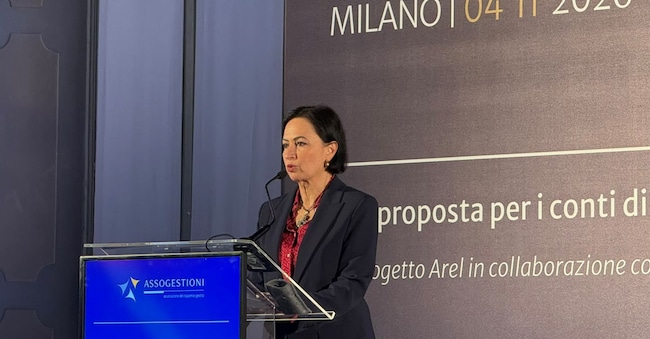
The establishment of an automatic pension scheme for every newborn, funded by a continuous public contribution of 10 euros per month until the child reaches the age of majority, the management of the capital by private supplementary pension funds in portfolios with a high equity content, and the provision of incentives for supplementary family contributions are the key features of the ‘Pension from the Cradle’ proposal put forward by Arel and Assogestioni.
The initiative aims to introduce Pension Investment Accounts (CIPs), a universal scheme designed to build up a pension pot for the younger generations from birth, promote financial literacy amongst families and channelling private savings towards productive investments in the real economy. Under the scheme, the State will contribute a total of €2,160 over 18 years for each beneficiary, whilst allowing parents the option to increase the accumulated amount through an independent tax-deductible allowance of up to €5,300 per year. By utilising compound interest over an extremely long-term horizon, according to the study’s projections, an estimated net return of 6 per cent would enable the state contribution alone to generate around €3,710 by the time the child turns 18 and over €64,000 by retirement age – a figure that could exceed €450,000 if the family and the future worker regularly top up the plan.
The need for such a reform stems from the profound demographic imbalance affecting Italia, where the low fertility rate and public pension expenditure – which already accounts for 16.3 per cent of GDP – make it unsustainable to rely exclusively on the first, pay-as-you-go pillar. Tackling the decline in the working-age population and the gradual reduction in future replacement rates therefore requires a significant strengthening of supplementary pension schemes, which are currently still characterised by low take-up rates and modest average accumulated balances.
The key issue that emerged during the presentation of the proposal, however, concerns the administrative framework of the measure, particularly in light of the text of the budget bill, which envisaged the creation of the so-called ‘Fondo Valore’ (Value Fund), to be managed by INPS. The chair of Assogestioni, Maria Luisa Gota, expressed her opposition to this approach, clearly setting out the position of the asset management industry: ‘For us, there is only one path to success: that these resources be managed within the supplementary pension scheme from the outset.’ Cota emphasised that the choice of managing body is not an organisational detail, but the decisive factor for the project’s effectiveness, stressing the need to “put these resources to work straight away within financial institutions so that they can generate value over time and grow”.
During the debate, the same concern was raised, with the decision to entrust the matter to INPS being described as ‘a major mistake’ linked to public accounting requirements, given that payments to the public social security body are treated as revenue without requiring immediate budgetary provision.

