
Nobel Peace Prize to the anti-nuclear association Nihon Hidankyo
Recognition for the organisation bringing together survivors of Hiroshima and Nagasaki

2' min read
2' min read
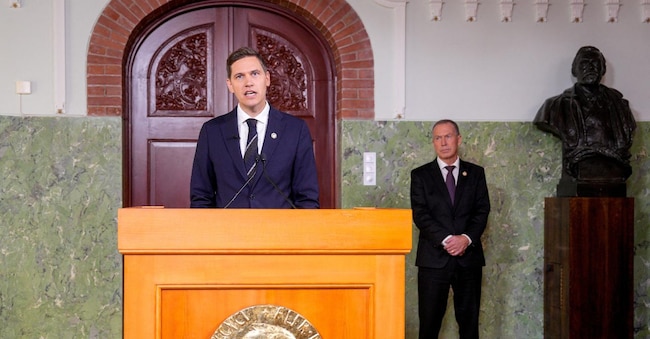
The 2024 Nobel Peace Prize was awarded to the Japanese anti-nuclear organisation Nihon Hidankyo. The chairman of the committee, Jurgen Watne Frydnes, described Nihon Hidankyo as "a grassroots movement of atomic bomb survivors from Hiroshima and Nagasaki, also known as Hibakusha" and said that it receives the peace prize "for its efforts to bring about a world free of nuclear weapons and for demonstrating through testimony that nuclear weapons must never be used again," he said.
"The most destructive weapons ever seen"
.The Norwegian Nobel Committee highlighted how nuclear powers are 'modernising and upgrading their arsenals' while 'new countries appear to be preparing to acquire nuclear weapons and there are threats to use nuclear weapons in ongoing wars. At this moment in human history, it is worth reminding ourselves what nuclear weapons are: the most destructive weapons the world has ever seen,' reads the statement explaining the reasons for the award.
From pain to hope
In awarding this year's Nobel Peace Prize to Nihon Hidankyo, the Norwegian Nobel Committee "wishes to honour all survivors who, despite physical suffering and painful memories, have chosen to use their costly experience to cultivate hope and commitment for peace". The president of the Hiroshima branch of Hidankyo, Toshiyuki Mimaki, who was present at the town hall for the announcement, cheered and cried when he received the news. "Is it true? Unbelievable!" shouted Mimaki.
The situation in Gaza is 'like Japan 80 years ago', says the Nobel Peace Prize winner. Nihon Hidankyo "would never have dreamed of winning" the prize, an official of the organisation said after the awarding of the prize.
The previous
Efforts to eliminate nuclear weapons have already been honoured by the Nobel Committee in the past. The International Campaign to Abolish Nuclear Weapons (ICAN) won the Peace Prize in 2017, while in 1995 Joseph Rotblat and the Pugwash Conferences on Science and World Affairs won for 'their efforts to diminish the role played by nuclear weapons in international politics and, in the long run, to eliminate such weapons'.

