
Northern Ireland, anti-migrant anger explodes
The provisional toll is around fifteen officers injured or bruised and a number of troublemakers arrested, including a 29-year-old who has been charged with criminal damage, disturbing the peace and resisting, in what the local police have described as an instrumentalisation of collective outrage by agitators in the grip of 'racist hooliganism pure and simple'.

3' min read
3' min read
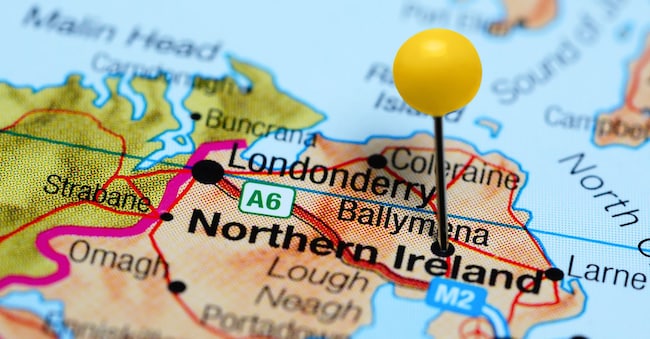
New clashes broke out on the evening of 10 June, for the second consecutive evening, between protesters and police in Ballymena, Northern Ireland. This was observed by an Afp journalist on the spot. Hundreds of protesters, some masked, clashed with riot police. Firecrackers and glass bottles were thrown at the police, who used water cannons. Last night, several houses were set on fire and 15 officers were injured in what the police called a racially motivated attack, following an accusation of attempted rape of a young girl by two teenagers.
The nightmare of anti-immigrant violence and 'riots' is back in the UK. This time the scene of the riots was the town of Ballymena in Northern Ireland, which was set on fire in the past few hours by groups of protesters who targeted houses inhabited by migrants and clashed with the police.
All this in the wake of the blind fury following a case of attempted rape involving two teenagers of foreign origin.
The provisional toll is around fifteen officers injured or bruised and some troublemakers detained, including a 29-year-old man charged with criminal damage, disturbing the peace and resisting, in what the local police have described as an instrumentalisation of collective outrage by agitators in the grip of 'racist hooliganism pure and simple'.
While Jim Allister, a Northern Irish Unionist Protestant right-wing MP elected to the House of Commons in his local constituency, County North Antrim, denounced the incident as 'very distressing', he did not fail to throw fuel on the fire: lashing out against emigration and against the neighbouring Republic of Ireland, which he claimed would let 'illegal immigrants' into Ulster filter across the border.

